Pay in installments of $6.47 with
 ,
,
 and
and

Shipping Estimate
USA
- USA
- CAN
- USA
- CAN
Ships within 48 hours · Estimated delivery Oct 9 - Oct 14
 Promo Codes Available:
For Your Every Summer RSVP, with Code: SUMMER15
Description
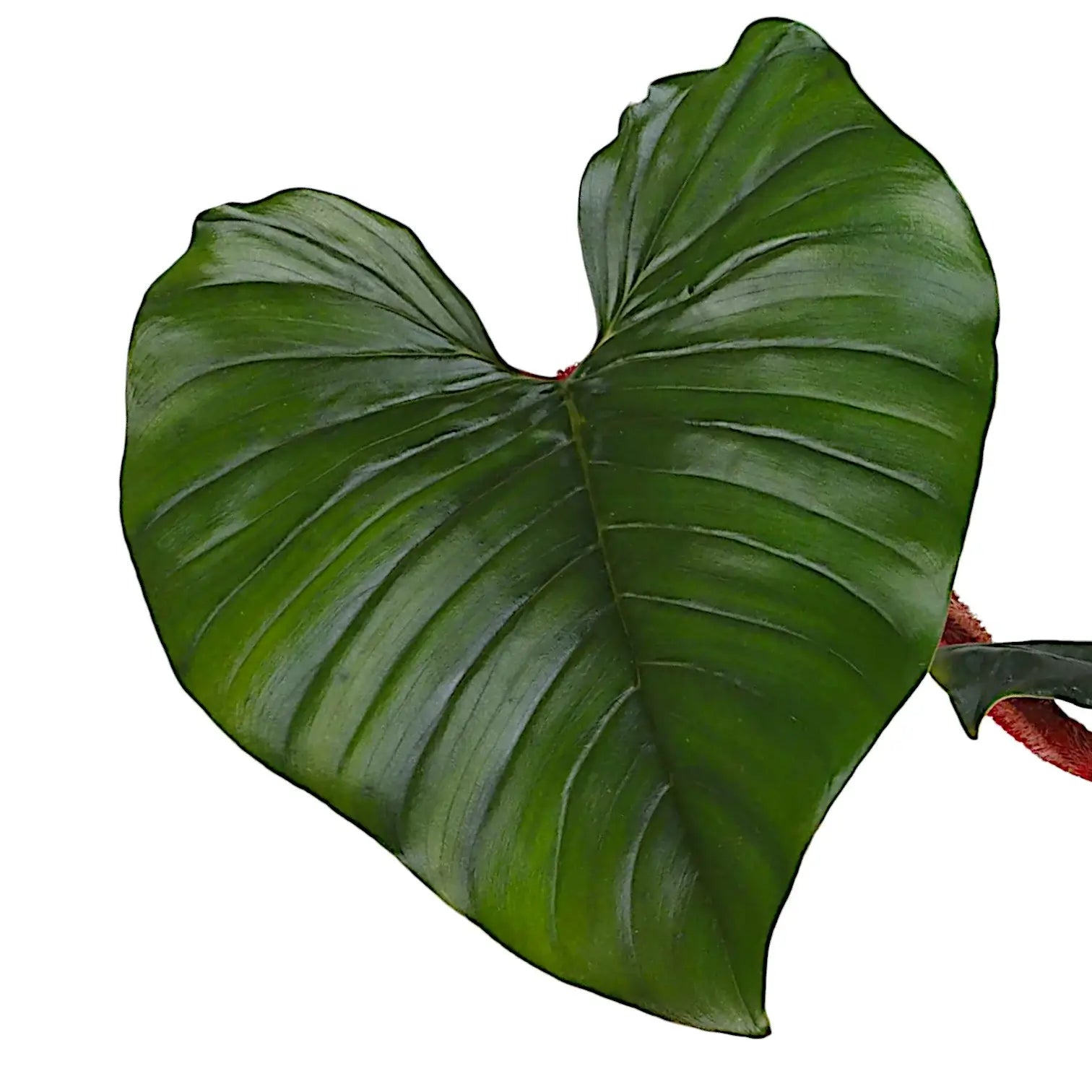
philodendron sap Philodendron squamiferum × serpens – Foliage FactoryPhilodendron squamiferum serpens Philodendron squamiferum serpens has green leaves, textured petioles, and a climbing stem with nodes and aerial roots. This hybrid between Philodendron squamiferum and Philodendron serpens develops as a vine with nodes that can attach to early upright support. The leaf shape can vary between individual plants, while the petioles often carry the fuzzy, scaly, or bristly looking texture associated with this cross. A
Philodendron squamiferum × serpens
Philodendron squamiferum × serpens has green leaves, textured petioles, and a climbing stem with nodes and aerial roots. This hybrid between Philodendron squamiferum and Philodendron serpens develops as a vine with nodes that can attach to early upright support.
The leaf shape can vary between individual plants, while the petioles often carry the fuzzy, scaly, or bristly-looking texture associated with this cross. A pole, plank, or other firm support gives the stem a surface to attach to as it lengthens.
What makes Philodendron squamiferum × serpens distinctive
- Hybrid parentage: Cross between Philodendron squamiferum and Philodendron serpens.
- Petiole texture: Fuzzy to scaly-looking petioles give the leaf stalks a rougher surface than smooth-stemmed Philodendron.
- Leaf colour: Green foliage contrasts with the textured petioles and climbing stem.
- Growth habit: A climbing stem develops nodes and aerial roots as it matures.
- Indoor shape: Upright support keeps the vine organised before the stem becomes long and loose.
Climbing growth in Philodendron squamiferum × serpens
This hybrid extends from a climbing stem. New leaves emerge along the vine, while aerial roots form at the nodes and can attach to a textured support. Keeping the stem upright gives new growth space to form and reduces twisting or crowding around the petioles.
Individual plants may show different balances of fuzziness, scaling, and leaf form. Petiole texture and leaf shape become more defined once the plant has settled and started climbing.
Care for Philodendron squamiferum × serpens
- Light: Bright filtered light keeps internodes shorter and reduces weak, stretched vine growth.
- Water: Water when the upper part of the substrate has started to dry; wet, stagnant roots can slow growth and yellow leaves.
- Humidity: Moderate to high humidity helps new leaves expand without sticking around the textured petioles.
- Substrate: A chunky aroid mix lets air reach the roots and reduces waterlogging around the climbing nodes.
- Support: Add a pole or plank while the plant is still manageable, so aerial roots can attach as the stem lengthens.
- Temperature: Warm indoor temperatures are safest; cold wet substrate can damage roots and stall new growth.
Common issues with Philodendron squamiferum × serpens
- Leaf damage: Dry air can make new leaves stick or tear as they emerge near textured petioles.
- Root stress: Dense substrate that stays wet can cause yellowing, limp growth, and root decline.
- Pests: Thrips, spider mites, and mealybugs can hide around petioles, nodes, and new leaf folds.
- Weak growth: Low light can produce longer internodes and smaller leaves on the climbing stem.
Botanical background of Philodendron squamiferum × serpens
The hybrid name combines two parent species. Philodendron squamiferum was described by Eduard Friedrich Poeppig in 1845, while Philodendron serpens was described by Joseph Dalton Hooker in 1878. In the parent names, squamiferum means scale-bearing and serpens means creeping or crawling.
Safety note for Philodendron squamiferum × serpens
Like other Philodendron, this hybrid should be kept away from pets and children who may chew the leaves or stems. The plant contains irritating calcium oxalate crystals that can affect the mouth, throat, and skin on contact with sap.
Shipping Notes
- Free Standard Shipping on $100+ Orders to the USA.
- Except Preorder products are shipped in 48 hours.
- Delivery to the USA:
- Standard Shipping : 3-10 business days
- If time is of the essence, please consider selecting expedited delivery for faster service.
Exchange/Return Notes
- We offer a 30-day return/exchange service after receiving.
- Final sale items are not eligible for returns or exchanges.
- To process your return/exchange, please contact us at [email protected]
- Please click here for more details>>> Return & Exchange Policy