Pay in installments of $5.85 with
 ,
,
 and
and

Shipping Estimate
USA
- USA
- CAN
- USA
- CAN
Ships within 48 hours · Estimated delivery Oct 19 - Oct 24
 Promo Codes Available:
For Your Every Summer RSVP, with Code: SUMMER15
Description
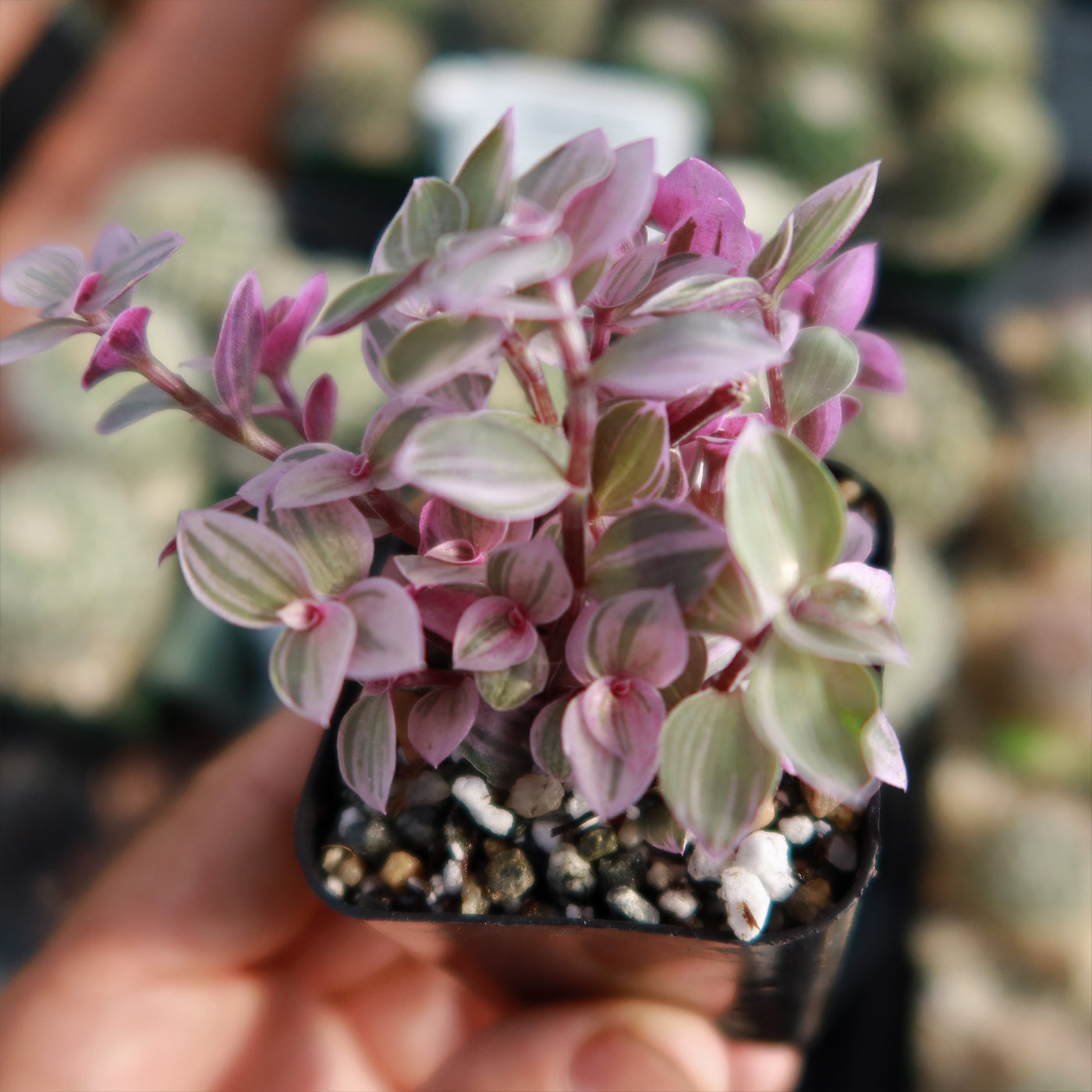
pink panther indoor plant Shop 'Pink Panther Plant - Tradescantia Callisia repens Pink Panther' Care and InfoIntroducing the low maintenance trailing pink panther plant also known as Callisia repens' Pink panther', is sure to turn heads. This pink panther plant was previously categorized under the genus Tradescantia; it's possible that some websites are using the name "Tradescantia Callisia repens." The correct scientific name for the plant is Callisia repens pink panther, because it has since been reclassified under the genus CallisiaGo to Callisia. The
Introducing the low-maintenance trailing pink panther plant– also known as Callisia repens' Pink panther', is sure to turn heads. This pink panther plant was previously categorized under the genus Tradescantia; it's possible that some websites are using the name "Tradescantia Callisia repens." The correct scientific name for the plant is Callisia repens pink panther, because it has since been reclassified under the genus CallisiaGo to Callisia.
The Pink Panther plant is named after the famous Pink Panther cartoon character, which resembles the pink stripes on its green leaves. It also has several other common names, such as pink lady turtle vine, tradescantia pink panther, pink turtle vine, Callisia pink panther, or Callisia tricolor.
The cool part is its vibrant pink leaves with a mix of pink, green, and white stripes, making the pink panther plant a popular choice among indoor plant enthusiasts for its unique appearance and ease of care.
It's perfect for tiny spaces like your home, office, or even your desk.
This tropical houseplant is like a burst of joy with its stunning, small lavender-green leaves that turn bright pink and variegate in bright sunlight, with a velvety texture that adds to their appeal.
The foliage is densely packed along the stems, creating a lush and cascading effect when grown in hanging baskets or allowed to trail down from shelves or tabletops.
Your pink panther plant, with its reddish stems, can grow up to 12 inches tall and 24 inches wide. Its delicate but vibrant leaves puff out and shoot off consistently, giving your space a lush and beautiful touch in no time.
The flowers of the pink panther plant bloom during the summer, with tiny white flowers. However, it's worth noting that the Pink Panther plant is primarily grown for its striking foliage rather than its blooms.
The Callisia repens pink panther plant is distinguished by the striking golden leaves of Callisia repens GoldGo to Callisia repens gold turtle vine and a unique combination of pink and green variegated leaves of the Pink Lady Callisia repens variegated.
When and How to Water Your Pink Panther Plant
The Pink Panther plant is drought-tolerant, which means it can go for extended periods without water once established. However, to keep it thriving, especially in containers, it’s best to follow the “soak and dry” method: give the plant a deep, thorough watering, then allow the soil to completely dry out before watering again. The trailing pink panther prefers watering once every 2-3 weeks and once a month in the dormant season.
In spring and summer, during the growing season, water once every 2-3 weeks, or whenever the top inch of soil feels dry. Use a water meter or your finger to test moisture levels. Always ensure the plant is in porous, well-draining soil and placed in a container with drainage holes to prevent standing water and root rot.
In fall and winter, during dormant period, the plant enters a dormant period and requires watering once a month. If kept outdoors, withhold watering during rainy spells or cold snaps. Indoors, reduce watering to only when the soil is completely dry. Overwatering during dormancy is one of the most common causes of root rot.
Light Requirements - Where to Place Your Pink Panther Plant
When grown indoors, the pink panther plant also requires brighter, indirect light for at least 6-8 hours a day.
Placing it near a north or east-facing window is usually ideal. Avoid exposing the plant to direct, intense sunlight as it can scorch the leaves.
If you don't have access to ample natural light, you can also use artificial grow lights, such as fluorescent or LED lights, to provide the necessary light for the Callisia repens pink panther plant's growth.
When grown outdoors, the Pink Panther plant enjoys partial shade or dappled sunlight. These plants require at least 4-6 hours of strong light each day to survive, although partial shade in the afternoon is often preferable - especially in hotter climates where the plant might become stressed by the intense heat of the afternoon sun.
In bright light, its lavender-green leaves turn pink and variegated, making it a true showstopper. It's crucial to place your pink panther succulents away from any areas with constant direct sunlight, as doing so could result in burned foliage.
If the pink panther plant is not getting enough light, it may become leggy, which means that the stems will become long and thin, and the leaves may lose their variegated color. To prevent this, it's important to keep the plant in a location where it can receive plenty of light, but not direct sunlight.
Optimal Soil & Fertilizer Needs
Callisia requires a fast-draining potting mix that dries completely between waterings, and should be fertilized once a year in spring. The pink panther likes very airy, porous, nutrient-rich soil with a pH of 5.6- 6.5. Your soil must have a sandy texture and a low water-holding capacity, just like desert soil. Ideally, you want to use our specialized succulent potting mix that contains 5 natural substrates and organic mycorrhizae to promote the development of a strong root system that helps your succulent to thrive.
When it comes to fertilizer, a small amount of water-soluble fertilizer with lower doses of NPK (5-10-5) applied once a year in the springtime encourages branching and nutrient absorption. Remember, never fertilize your pink panther if it has recently been replanted or if it is experiencing problems, as it is not a medicine. Analyze the plant and make adjustments as needed.
Hardiness Zones & More
In the United States, your Callisia repens Pink Panther is mostly an indoor plant, but if you live in southern Florida or Hawaii, then you can cultivate it outdoors in USDA zones 10-12.
They are not cold- or frost-tolerant, so you should plant them indoors or put them in a pot and move them indoors during the winter if you live outside of these regions.
The Pink Panther plant appreciates moderate to high humidity levels, similar to its tropical origins. Aim for a humidity range of 50% to 60% for optimal growth. If the air in your home is dry, especially during winter months when indoor heating is used, you can increase humidity by placing a tray of water near the plant or using a humidifier. Misting the foliage occasionally can also help provide some moisture.
Remember, frost can damage the leaves, causing them to turn brown and lose their vibrant pink color. It's important to protect the plant pink panther from further damage by keeping it in a warm place away from cold, drafty windows and air vents if you are growing it indoors in a cold climate.
How to Grow the Best Pink Panthers Plant Indoors
When grown indoors, the ideal temperature range for your Pink Panther is between 64°F and 72°F. It prefers a warm and cozy environment, so try to avoid exposing it to extreme temperature fluctuations or drafts. It should be fine even if the temperature drops to 50°F at night.
Wildlife - Pink Panther Plant Attracts the Following Friendly Pollinators
The Pink Panther Plant is known to attract a variety of friendly pollinators, including butterflies, bees, and hummingbirds. These pollinators play a crucial role in the plant's reproduction process by transferring pollen from one flower to another, ultimately helping the plant to produce seeds and fruit.
According to ASPCA, the Pink Panther plant is considered mildly toxic to pets and humans if consumed. However, it is safe to touch and handle, making it a popular choice for indoor houseplants.
How to Propagate Your Pink Panther Plant
The Pink Panther plant can be propagated through stem cuttings. Take healthy stem cuttings, ensuring they have a few nodes, and remove the lower leaves. Place the cuttings in water or moist soil, providing them with indirect light and regular moisture. Over time, roots will develop, and you can transplant the cuttings into their own pots or a larger container.
Key Takeaways
- The Pink Panther plant is ideal for hanging baskets, with trailing stems that spill gracefully over the edges, making it a decorative choice for shelves, windows, or patio planters.
- The foliage of Callisia repens 'Pink Panther' is what gives it its name—soft pastel leaves in pink, green, and silver tones that resemble the color palette of the classic Pink Panther cartoon.
- The Pink Panther plant is drought-tolerant, needing only occasional watering once established, especially when grown using the "soak and dry" method in well-draining soil.
- This compact succulent stays under 6 inches tall but spreads or trails quickly, making it a beautiful indoor accent or a creeping ground cover in warmer climates.
- The Pink Panther thrives in bright, indirect light, and under the right conditions, it can produce tiny star-shaped flowers, adding a delicate detail to its already striking appearance.
Final Thoughts
Overall, the Pink Panther plant (Callisia repens Pink Panther) is a delightful and popular choice for indoor gardening enthusiasts. With its vibrant pink and green foliage, it adds a touch of beauty to any space. This trailing plant thrives in average room temperatures between 64°F and 72°F and appreciates moderate humidity levels. When it comes to light, it prefers bright, indirect light indoors and partial shade or dappled sunlight outdoors. Whether you choose to grow it indoors or outdoors, providing the right conditions will ensure the Pink Panther plant's healthy growth and stunning appearance.
Don't miss out on adding the Callisia repens pink panther to your garden! Order now and enjoy its beauty for years to come.
Shipping Notes
- Free Standard Shipping on $100+ Orders to the USA.
- Except Preorder products are shipped in 48 hours.
- Delivery to the USA:
- Standard Shipping : 3-10 business days
- If time is of the essence, please consider selecting expedited delivery for faster service.
Exchange/Return Notes
- We offer a 30-day return/exchange service after receiving.
- Final sale items are not eligible for returns or exchanges.
- To process your return/exchange, please contact us at [email protected]
- Please click here for more details>>> Return & Exchange Policy