Pay in installments of $7.01 with
 ,
,
 and
and

Shipping Estimate
USA
- USA
- CAN
- USA
- CAN
Ships within 48 hours · Estimated delivery Jul 18 - Jul 23
 Promo Codes Available:
For Your Every Summer RSVP, with Code: SUMMER15
Description
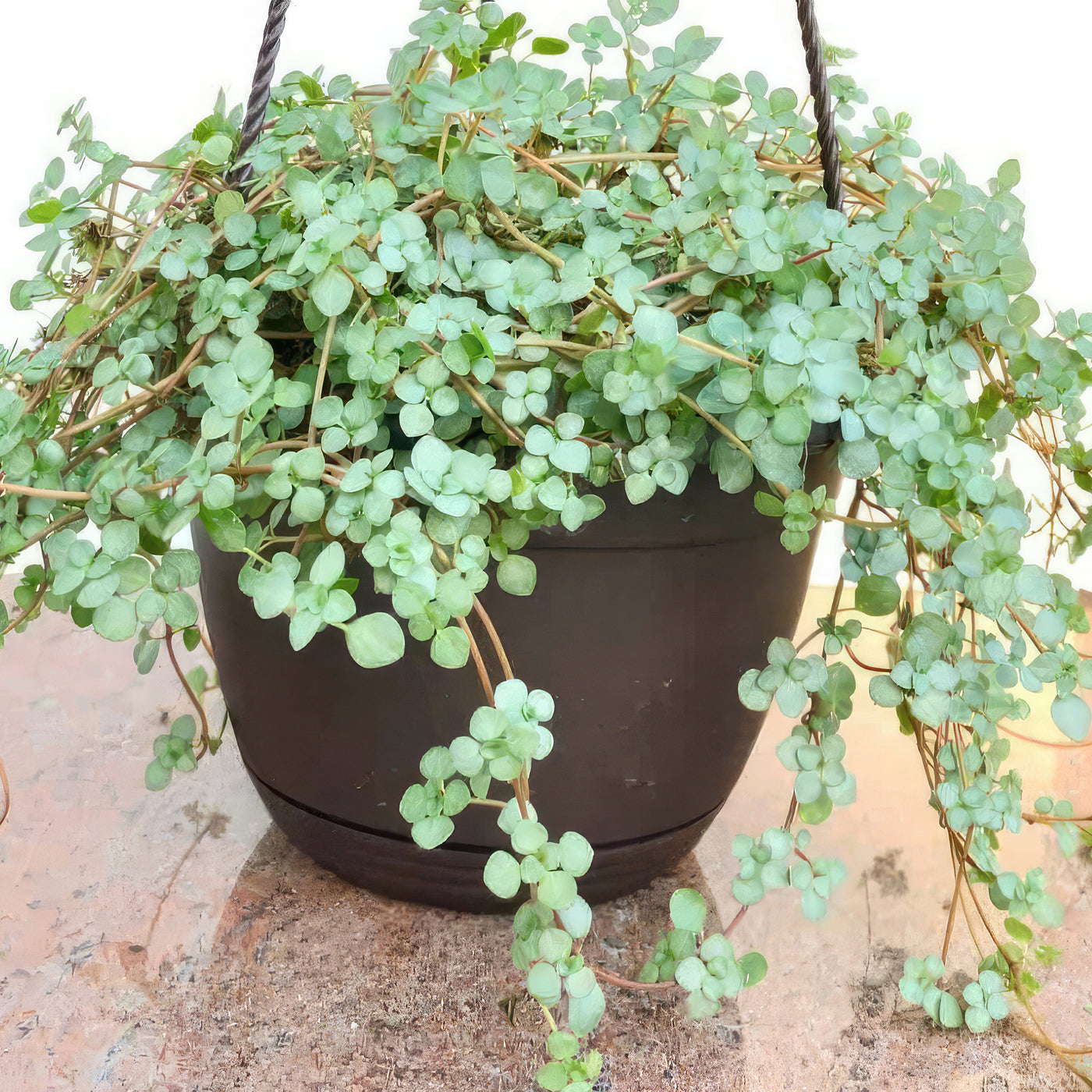
sparkle plant pot Shop 'Pilea glauca' Care & Growing GuideThe Pilea glauca, known as the Silver Sparkle Plant, is a popular indoor trailing hanging, fast growing drought tolerant plant admired for its delicate, silvery blue foliage and cascading habit. Known for its unique, shimmering leaves and easy care nature, this plant has gained popularity among indoor gardeners, especially those looking to add a soft, trailing effect to their collections. It is prized as a low maintenance that brings texture and
The Pilea glauca, known as the Silver Sparkle Plant, is a popular indoor trailing/hanging, fast-growing drought-tolerant plant admired for its delicate, silvery-blue foliage and cascading habit. Known for its unique, shimmering leaves and easy-care nature, this plant has gained popularity among indoor gardeners, especially those looking to add a soft, trailing effect to their collections. It is prized as a low-maintenance that brings texture and subtle color to indoor spaces.
The name “Silver Sparkle” highlights the tiny, round leaves with a silver sheen, which sparkle in bright indirect light. This name emphasizes its soft, almost cloud-like appearance, which creates a gentle, cascading effect that adds visual interest to shelves, hanging pots, or tabletop arrangements.
Native to Central and South America, it has several other common names such as Pilea silver sparkles, Grey Artillery plant, and Pilea libanensis.
The Pilea glauca plant has small, round shiny silver leaves that grow densely along thin, trailing stems, creating a soft, cascading effect that looks beautiful in hanging planters or draped over the edge of containers.
The trailing stems can grow up to 4 inches tall and trails or hangs down up to 24 inches. Regular pruning can encourage a fuller, bushier look. It grows relatively fast, filling out containers with its dense foliage and soft texture. With optimal Pilea care, it can live more than 10 years.
The Pilea glauca flowers bloom during the spring. These flowers are small and pinkish-white, appearing along the stems in clusters. Although they do not have a strong fragrance or vibrant color, the flowers add a subtle touch of interest to the plant.
One of the main benefits of the Silver Sparkle Plant is its air-purifying qualities. Like many indoor plants, it can help improve air quality by filtering toxins and releasing oxygen, making it an ideal addition to living spaces and work environments. Its compact size and easy-care nature make it well-suited for small spaces, hanging arrangements, and terrariums, where its unique color and trailing form can be showcased. Additionally, it’s a pet-safe option, non-toxic to cats and dogs, which is a valuable benefit for households with pets.
When and How to Water Your Pilea glauca
Pilea glauca is indeed a drought-tolerant plant, making it a great choice for those who might forget to water their plants regularly. When it comes to Pilea plant care, it's essential to strike a balance. While they are drought-tolerant, they still need some water to thrive.
To meet the watering needs of your silver sparkle Pilea Silver Sparkle Plant, it's best to let the soil dry out between waterings. Insert your finger about an inch into the soil to determine its moisture level. If it feels dry, it's time to water your plant. When watering, ensure that excess water can drain out of the pot to prevent waterlogging, which can lead to root rot. A good practice is to water thoroughly but less frequently to mimic the plant's natural environment.
In the spring and summer, water your Pilea plant thoroughly when the top inch of soil feels dry, typically every 1-2 weeks. In the fall and winter, reduce watering to every 3-4 weeks or when the soil is completely dry to prevent overwatering during its dormant phase.
Remember, it's always better to underwater than overwater Pilea glauca. These plants are forgiving of occasional neglect but will suffer if consistently overwatered. By understanding their drought-tolerant nature and adjusting your watering routine accordingly, your Pilea glauca can thrive and bring beauty to your space.
Light Requirements – Where to Place Your Pilea glauca
When growing indoors, these Pilea plants prefer bright, indirect light for at least 4-6 hours per day. Place your Pilea glauca near a window where it can receive plenty of filtered sunlight. Avoid direct sunlight, which can scorch the plant's delicate leaves. If you notice your plant's leaves turning brown or crispy, it might be getting too much direct light.
For outdoor Pilea glauca light requirements, it thrives in partial shade to full shade conditions. Consider areas with dappled sunlight or locations where it receives gentle morning sunlight and is shaded during the intense afternoon sun.
Too much direct sunlight outdoors can lead to leaf burns, so it's crucial to find a spot that offers the right balance of light exposure.
Additionally, outdoor Silver Sparkle plants benefit from protection against strong winds, which can damage their delicate foliage.
Whether you're growing your Pilea Silver Sparkle indoors or outdoors, monitoring the light conditions is key to its overall well-being. By providing the appropriate lighting environment, you can help your plant thrive and display its unique silver-blue foliage to its full potential. Remember to observe how your plant responds to its light exposure and make adjustments as needed to ensure it remains healthy and vibrant.
Optimal Soil & Fertilizer
The Pilea plants prefer well-drained soil that is rich in organic matter. A good mix for Pilea glauca is a well-draining potting mix that includes components like peat moss, perlite, or sand to ensure excess water can easily drain away. Avoid heavy soil that retains water for too long, as this can lead to root rot, which is detrimental to the plant's health. Instead, make or buy a well-draining potting mix, or ideally use our specialized potting mix, opens in a new tab that contains 5 natural substrates and mycorrhizae to promote the development of a strong root system that helps your plants to thrive.
The Silver Sparkle Pilea plant is not a heavy feeder, so it doesn't need frequent fertilization. During the growing season in spring, you can fertilize your plant with a balanced NPK fertilizer with an equal ratio of 5-10-5. This formula will support overall plant growth and encourage leaf development without promoting excessive foliage at the expense of root growth. Apply fertilizer once a year to provide the necessary nutrients for healthy growth. It's essential not to over-fertilize your Pilea, as this can cause salt buildup in the soil, leading to nutrient imbalances and potential damage to the plant.
Hardiness Zone & More
When growing Pilea glauca indoors, these trailing/hanging plants prefer bright, indirect light and temperatures between 65-75°F during the day and slightly cooler temperatures at night. Maintaining a consistent temperature range is key to keeping your Pilea plant healthy. Especially in the winter when heating systems are operating, indoor spaces can frequently feel dry. To increase humidity around your plant, you can mist the leaves regularly with water or place a humidifier nearby. Another method is to create a pebble tray by placing a tray filled with water and pebbles under the plant's pot. The humidity level around the plant rises as the water evaporates.
For outdoor cultivation, these plants prefer partial shade and typically are suited for USDA zones 10-11, where the temperatures remain consistently warm throughout the year.
If you live in a region with colder temperatures, you can still grow Pilea glauca outdoors during the warmer months and bring it indoors during the colder seasons to protect it from frost and freezing temperatures. Additionally, outdoor Pilea plants benefit from humidity levels similar to their indoor counterparts, making regular misting or humidification methods beneficial for their growth and well-being.
Wildlife – Pilea Silver Sparkle Attracts the Following Friendly Pollinators
Like many flowering plants, the Pilea glauca attracts pollinators such as bees, butterflies, and other insects. The small, delicate flowers of the Silver sparkle plant produce nectar and pollen, which serve as food sources for these pollinators. As the pollinators visit the flowers to feed, they inadvertently transfer pollen from one flower to another, facilitating the plant's reproductive process. By attracting pollinators, Pilea glauca contributes to the biodiversity of the ecosystem and supports the pollination of other plants in the area, promoting overall ecological balance.
Pilea glauca is considered non-toxic to humans and pets. It is safe to have this plant in your home without worrying about any harmful effects if ingested.
How to Propagate Your Pilea glauca
Pilea glauca can be propagated through stem cuttings. To do this, simply take a cutting from a healthy, mature plant and place it in water or soil to encourage root growth. Keep the cutting in a warm, humid environment, and make sure to water it regularly to help it establish roots. Once roots have formed, the cutting can be transferred to its own pot with well-draining soil to continue growing into a new plant.
Key Takeaways
- Pilea glauca is a popular hanging plant, known for its cascading vines covered in tiny, round, silvery-blue leaves that create a delicate, trailing effect.
- It produces tiny, inconspicuous pinkish-white flowers, though the plant is mainly grown for its attractive foliage.
- It is moderately drought-tolerant but thrives best with consistent, light moisture in the soil; avoid letting it dry out completely.
- This Pilea glauca is safe for pets, making it a popular choice for pet-friendly homes and indoor spaces.
The Bottom Line
Overall, the Pilea Silver Sparkle Plant is a charming and easy-to-care-for plant that adds a delightful touch of texture and color to indoor spaces. Its small, rounded, blue-gray leaves with a subtle silvery shimmer create a beautiful, cascading effect that’s perfect for hanging baskets or terrariums. This plant is known for its compact, trailing growth habit, which makes it ideal for filling small spaces or adding a delicate greenery accent. Although it can tolerate lower light levels, it does best in bright, indirect light, which makes it a flexible option for a range of indoor settings. It prefers consistently moist, well-drained soil and benefits from a regular misting to maintain humidity, especially in drier indoor climates. With occasional pruning to encourage fuller growth and a light monthly feeding during the growing season, Pilea glauca can reward you with healthy, vibrant foliage year-round. Order your very own Pilea glauca for sale today!
Shipping Notes
- Free Standard Shipping on $100+ Orders to the USA.
- Except Preorder products are shipped in 48 hours.
- Delivery to the USA:
- Standard Shipping : 3-10 business days
- If time is of the essence, please consider selecting expedited delivery for faster service.
Exchange/Return Notes
- We offer a 30-day return/exchange service after receiving.
- Final sale items are not eligible for returns or exchanges.
- To process your return/exchange, please contact us at [email protected]
- Please click here for more details>>> Return & Exchange Policy