Shipping Estimate
USA
- USA
- CAN
- USA
- CAN
Ships within 48 hours · Estimated delivery Jul 14 - Jul 19
 Promo Codes Available:
For Your Every Summer RSVP, with Code: SUMMER15
Description
types of blue cactus Brazilian Blue CactusThe Brazilian Blue Cactus, also known as Pilosocereus azureus, is truly a magnificent hybrid of the Pilosocereus pachycladus. It goes by many names, like Pilosocereus atroflavispinus, Pilosocereus superbus, woolly blue spires, and blue columnar cactus. Being a hybrid of the actual blue torch plant, it is occasionally incorrectly referred to as a blue torch cactus. This blue cactus is a very distinct columnar cactus, reaching dizzying heights of up to
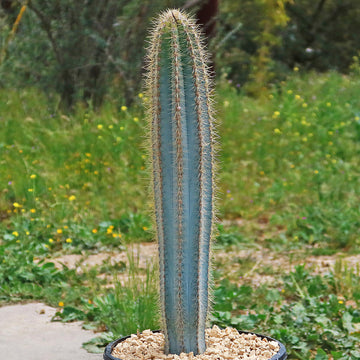
The Brazilian Blue Cactus, also known as Pilosocereus azureus, is truly a magnificent hybrid of the Pilosocereus pachycladus. It goes by many names, like Pilosocereus atroflavispinus, Pilosocereus superbus, woolly blue spires, and blue columnar cactus. Being a hybrid of the actual blue torch plant, it is occasionally incorrectly referred to as a blue torch cactus.
This blue cactus is a very distinct columnar cactus, reaching dizzying heights of up to 32 feet.
It is one of the most spectacular columnar tree-like cereus, with a distinct trunk and dozens of erect glaucous (bluish-silver) branches.
Its graceful habit (shape) resembles a miniature blue Saguaro. This is one of the most vibrant blue columnar cacti.
The blue-green color of the Pilosocereus azureus is due to a waxy coating on the stem that helps to protect it from the sun.
The stem of your blue cactus is adorned with ridges and covered in areoles along the edges. As this remarkable plant matures, those golden spines turn white and create a striking contrast against its vibrant hues.
The flowers of Pilosocereus azureus bloom at night with funnel-shaped white flowers. It's even more remarkable because these flowers are pollinated by bats and sphinx moths!
The Brazilian blue cactus certainly makes an impression among the wildly unique houseplants with its spectacular height and unique pollination process.
When and How to Water Your Blue Columnar Cactus
This blue cactus stores water throughout its stems, and as a result, it is one of the ultimate drought-resistant plants. Cactus Pilosocereus azureus is like Camels; they drink up a lot of water quickly and then can last a long time before needing water again. The Pilosocereus azureus cacti require watering every 14 to 21 days in the growing season, and once every 4-5 weeks in the dormant period.
In the spring and summer, during the active growing season, water your Blue Columnar Cactus deeply every 14 to 21 days, allowing the soil to dry out completely between waterings. Always use well-draining soil and avoid shallow, frequent watering, which can lead to shallow root systems and stress.
In late fall and winter, during the dormant season, reduce watering significantly and provide moisture only once every 4 to 5 weeks, or less if rainfall occurs. When temperatures drop and the plant is not actively growing, its water needs decline drastically. If kept indoors or in a rain-sheltered area, give a light watering (½ cup or less for smaller containers) once a month to prevent shriveling — but ensure the soil is bone dry before doing so to avoid root rot.
Light Requirements - Where to Place Your Blue Columnar Cactus
When grown indoors, the Blue Cactus needs at least 4 hours of direct sunlight daily, ideally from a south- or west-facing window or under a quality grow light. Without enough light, Pilosocereus azureus may grow leggy or weak and lose its distinctive bluish hue. Choose the brightest indoor location possible, such as a sunny windowsill, and rotate the pot every few weeks to ensure even exposure. Supplemental lighting like full-spectrum LED grow lights can help maintain vibrant growth, especially during shorter winter days.
When grown outdoors, your blue cactus thrives best with at least 6 hours of direct sunlight per day and needs gradual sun exposure to prevent sunburn.
Place it in a spot that receives full sun, ideally morning to mid-afternoon. While it loves bright, direct sunlight, too much intense sun too quickly can cause scorching.
If your cactus is transitioning from shade or indoor conditions, increase its sun exposure gradually over 1–2 weeks to let it acclimate safely. A healthy outdoor Blue Cactus will reward you with strong vertical growth and, under the right conditions, even blooms.
Optimal Soil & Fertilizer Needs
The Blue columnar cactus thrives best in a well-drained soil and needs fertilizer once a year in spring. These specialty soil mixes have been precisely developed to imitate well-draining desert soils. You can use our specialty cactus potting mix that contains over 5 natural substrates and organic matter to promote the development of a strong root system that helps your cactus to thrive and for healthy growth.
When it comes to fertilizing your adorable Brazilian blue cactus, you should look for a natural fertilizer with an approximate blend of 5-10-5 that is higher in phosphorus than nitrogen. The best choice is to use a natural fertilizer, as it lasts longer and keeps your soil alive by adding other beneficial compounds and microbes that encourage blue columnar cactus health and nutrient absorption.
Indoor Growing Blue Cactus Requirements
These charming Pilosocereus azureus plants grow best indoors in warm, humid environments with bright indirect light, which makes them ideal for indoor environments. With temperatures between 60°F and 74°F, these lovable Brazilian blue cacti are sure to feel right at home. Just make sure not to let them get too chilly; anything below 50°F could spell disaster for your lovey-dovey blue cactus.
Hardiness Zones & More
In the United States, this is mostly an indoor plant, but if you live in southern Florida or Hawaii, then you can cultivate it outdoors in USDA zones 9-11.
In terms of humidity, the Blue Columnar Cactus Pilosocereus azureus is adaptable and can tolerate a range of humidity levels. However, it generally prefers a drier environment with lower humidity.
It's important to provide good air circulation around the plant to prevent any issues with excess moisture or humidity-related diseases.
Wildlife - Pilosocereus azureus Attracts the Following Friendly Pollinators
The vibrant blue flowers of the Pilosocereus azureus cactus attract a variety of friendly pollinators, including bees, butterflies, and hummingbirds. These pollinators are essential for the cactus's reproduction and play a crucial role in maintaining the ecosystem's biodiversity.
According to ASPCA, the Pilosocereus azureus is non-toxic to humans, cats, and dogs, making it a safe option for pet owners looking to add a touch of blue to their indoor garden. This cactus is also relatively easy to care for, thriving in bright, indirect light and requiring minimal watering.
How to Propagate Your Blue Columnar Cactus
To propagate your blue columnar cactus, you can take cuttings from the main stem and allow them to callous over before planting them in well-draining soil. Make sure to keep the newly planted cuttings in a warm, sunny location and water sparingly until they establish roots.
Key Takeaways
- Pilosocereus azureus has an upright, columnar growth habit, often forming striking vertical stems that can reach up to 10–15 feet in height over time.
- This cactus is ideal for rock gardens, xeriscapes, and desert-themed landscapes, where its powdery blue hue adds bold color and architectural interest.
- It is extremely drought tolerant once established, requiring minimal watering and thriving in dry, well-drained soil conditions.
- The Blue Torch Cactus is non-toxic to pets and humans, making it a safe choice for family-friendly gardens and homes.
- In addition to its ornamental value, it produces large, night-blooming flowers, which can attract pollinators like bats and moths.
The Bottom Line
Overall, the Brazilian blue cactus (Pilosocereus azureus) with its striking silvery-blue columns and golden spines is a standout specimen that brings sculptural beauty to both xeriscapes and container gardens. Native to the arid regions of Brazil, this drought-tolerant cactus thrives in full sun and well-drained soil, making it an excellent low-maintenance choice for warm climates or as an indoor accent in bright spaces. Its unique color, tall vertical growth, and occasional summer blooms attract both seasoned collectors and design-conscious gardeners. Whether used as a focal point in rock gardens or grown as a dramatic patio plant, Pilosocereus azureus offers a bold, contemporary aesthetic with minimal effort.
Shipping Notes
- Free Standard Shipping on $100+ Orders to the USA.
- Except Preorder products are shipped in 48 hours.
- Delivery to the USA:
- Standard Shipping : 3-10 business days
- If time is of the essence, please consider selecting expedited delivery for faster service.
Exchange/Return Notes
- We offer a 30-day return/exchange service after receiving.
- Final sale items are not eligible for returns or exchanges.
- To process your return/exchange, please contact us at [email protected]
- Please click here for more details>>> Return & Exchange Policy