SKU: 18694948016
cost of peace lily

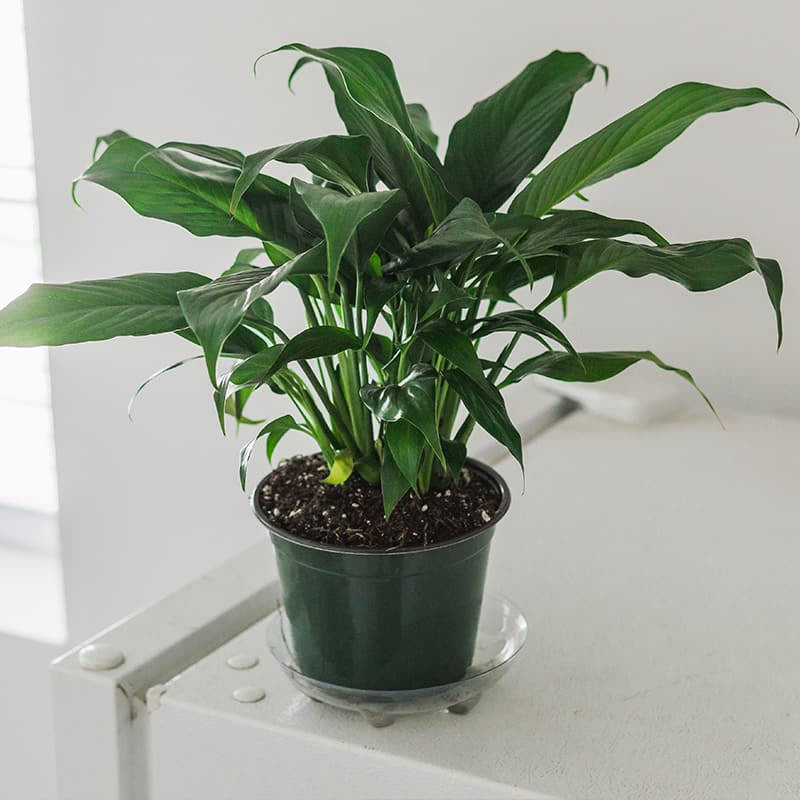
cost of peace lily Green Peace Lily - 6 Inch Pot

Sale price$24.69 Regular price$27.43
Save 10%

Pay in installments of $6.86 with ShopPay, AfterPay and Klarna

Shipping Estimate
USA
  • USA
  • CAN

Ships within 48 hours · Estimated delivery Jul 24 - Jul 29

Promo Codes Available:

For Your Every Summer RSVP, with Code: SUMMER15

Description

cost of peace lily Green Peace Lily - 6 Inch PotBuy Green Peace Lily Online NASA Approved for Air Toxin Removal + Adds Touch of Green Decor to Your Home The Green Peace Lily is a classic houseplant, perfect to start your collection. The dark green foliage contrasts beautifully with the pure white blooms that the flowering plant produces. If youre looking for a houseplant with endless blooms and easy maintenance, the Peace Lily plant is the way to go! As a natural air detoxifier, NASA has deemed

Buy Green Peace Lily Online

NASA Approved for Air Toxin Removal + Adds Touch of Green Decor to Your Home

The Green Peace Lily is a classic houseplant, perfect to start your collection. The dark green foliage contrasts beautifully with the pure white blooms that the flowering plant produces. If you’re looking for a houseplant with endless blooms and easy maintenance, the Peace Lily plant is the way to go!

As a natural air detoxifier, NASA has deemed this plant in the top 5 for removing pollutants from the air. The toxins it can remove include benzene, formaldehyde, trichloroethylene, xylene, and ammonia. We recommend keeping this plant in your bedroom at night to help you sleep.

This elegant and graceful tropical houseplant will make a great addition to any interior. Keep it in your office for a burst of green or put it on your nightstand to purify the air. The options are endless, just like their blooms!

When Do Peace Lilies Bloom?

Peace lily flowers bloom in spring and the blooms can last for two months. Given the right conditions, the peace lily will bloom in the fall too. As the plant matures it can have multiple white flowers blooming at a time. The peace lily is not a true lily but a member of the Araceae family.

HOW TO CARE FOR A PEACE LILY

Peace lily plants prefer bright, indirect light conditions for best results. The more light the common houseplant receives, the bigger the blooms and foliage will grow. Be sure not to expose it to direct sunlight as this can burn or scorch the green leaves and they will turn yellow and eventually brown.

You can grow these tropical plants indoors or outdoors as long as they have the proper growing conditions. The mature size of the plant can get up to 2-3 feet tall and wide. If being grown outdoors, the plant can only tolerate USDA hardiness zone 10-11 but can be moved indoors for the winter months in other zones. Growing peace lilies indoor, care may differ slightly depending on the humidity, light, and temperatures.

How to Repot a Peace Lily?

Repotting a peace lily is quite simple. Choose a pot no bigger than double the size of its current container and use new potting soil. Peace lilies prefer well-draining soil and being planted in a container with a drainage hole. We recommend our Organic Potting Mix with added Perlite as the best option. You can fertilize peace lilies annually in early spring to promote growth and encourage flowering.

How Often To Water Peace Lily?

Peace lily watering schedules can change throughout the year. They are thirsty plants and in the warm, summer months they may need watering up to 3-4x/week especially if in a shallow container or growing outdoors. If you are wondering how often to water a peace lily, the best way to tell is by feeling the soil for moisture or purchasing a moisture meter. You do not want to wait until the soil is dry to water as the peace lily likes moist conditions. Peace Lillies will display dehydration by having saggy leaves, so check your soil for the first couple of weeks before establishing a schedule. Overwatered peace lilies will show symptoms of root rot like yellowing leaves, a foul odor, and droopy leaves.

How to Prune a Peace Lily

Pruning Peace Lillies is not necessary to keep the plant in good condition. You can deadhead any drying blooms to encourage reblooming. When pruning or deadheading the peace lily, cut the stalk at the base of the plant. This will encourage new growth, as every stalk can only bloom once. Older plants may drop some leaves as a natural cycle, so pruning them once they show signs of yellowing will expedite the process.

Are Peace Lilies Toxic to Cats?

Peace Lilies are toxic to cats and other pets when consumed. The toxic component, calcium oxalate, will irritate your pet’s mouth and stomach. Some symptoms after ingesting include excessive drooling and salivating, vomiting, difficulty swallowing, and behaviors displaying discomfort. Most animals will only attempt consumption once, as irritation starts immediately.

Buy peace lilies for sale to brighten up your home or outdoor areas!

Check out our complete collection of houseplants for sale.

Shipping Notes
  • Free Standard Shipping on $100+ Orders to the USA.
  • Except Preorder products are shipped in 48 hours.
  • Delivery to the USA:
  1. Standard Shipping : 3-10 business days
  • If time is of the essence, please consider selecting expedited delivery for faster service.
Exchange/Return Notes
  • We offer a 30-day return/exchange service after receiving.
  • Final sale items are not eligible for returns or exchanges.
  • To process your return/exchange, please contact us at [email protected]
  • Please click here for more details>>> Return & Exchange Policy
SKU: 18694948016

Discover Niche Categories That Outsell cost of peace lily

Top-Converting Item to Boost Your Average Order

4.8 ★★★★★
Based on 29 reviews
Sort
Highest Rating
Newest First
Oldest First
Product Reviews
D
Verified Purchase
Donald Walker
San Leandro, US
★★★★★ 3
instructive but limited
The testimonies of creative people that give this book its flesh and blood provide fascinating examples of creative people at work. That said, if a journalist had written the book, it would be more readable, and I don't think any less of an intellectual contribution. Moreover, the definition of creativity is elitist and stunts the topic (as observed by other reviewers): "Creativity is any act, idea, or product that changes an existing domain, or that transforms an existing domain into a new one. And the definition of a creative person is: someone whose thoughts or actions change a domain, or establish a new domain. It is important to remember, however, that a domain cannot be changed without the explicit or implicit consent of a field responsible for it." Given the people interviewed, much more needs to be said about the function of social institutions in promoting creativity. Many of the accomplishments lauded in this book would never have happened without grant-making agencies (e.g., NSF, NIH, HHMI) or non-profit employers like research universities and hospitals. To offer just one obvious example of the difference made by one's institutional context, the author had advanced students to help him do his research for this book. The elitism of the definition is even clearer in the role that marketplace plays as a judge of creativity. None of us buys books from amazon.com because some official group validated amazon.com as a good idea. We didn't wait for computer programers to affirm and certify it. Amazon.com is not deemed successful because it impressed its peers. It is successful because millions of us purchase goods through it. Similarly, auto-executives did not make the minivan a successful idea, millions of shoppers did. (Obviously I don't think the marketplace fits into the author's definition of creativity. If 300 million American consumers comprise a domain with 300 million judges, then the word no longer has any useful meaning.) The definition also precludes that countless ephemeral acts of creativity that take place daily. I think instantly of two women I have worked with who were great at holidays. Their clever costumes or decorations brightened my day, adding a little element of surprise and delight. Their acts of creativity don't meet the definitions of this book. The way that creativity is defined in this book is simply a filtering mechanism by which the author selected the people he would interview. It is not a definition of creativity. It is only a description of a subsection of creativity, the kind where institutions provide paychecks to highly practiced individuals to work hard at what they love. I also found little new to take away and apply to my own social existence inside the organization where I work. Perhaps I can summarize my dissatisfaction by observing that the subtitle sets out an agenda for the psychology of creativity, but the definitional filter is intrinsically social. This disconnection sets the book up to fail. So, count this as a negative review, yes, but I did enjoy reading the testimonies of the people interviewed, and the author adds some value in the generalizations he draws. Still, much, much more could have been said.
WAS THIS REVIEW HELPFUL?YesReportShare
Reviewed in the United States on April 30, 2012
J
Verified Purchase
Judith R. Hert
Battle Creek, US
★★★★★ 5
Wise and Complete
Format: Paperback
I've read a lot of books, too many, on creativity, and this is by far the best, the most complete, the most interesting. The idea that creativity comes out of immersion in a domain or field seems absolutely right and the idea missed by so many other writers. I'm a writer and a painter and I've learned that I'm not going to be any better than the work I've come to know and love, that I have to live in that work. If you want to be a better string player, play with a better ensemble. In many ways a creative person is someone who is in a conversation with what has come before, with work that excites her, teaches her, challenges her. This book makes that plain. But he has other insights as well, especially about the creative personality, the interesting dichotomies. Just read the book.
WAS THIS REVIEW HELPFUL?YesReportShare
Reviewed in the United States on February 22, 2015
C
Verified Purchase
Common Arts Farm
Draper, US
★★★★★ 4
Creativity which has the power to change the world
A few caveats to those who are generally interested in creativity studies: Csikszentmihalyi's analysis and discussion of creativity does not directly relate to those who are personally creative. People who enjoy engaging in creative activities are not demoted, in his terms, but are simply not a part of the study. It is unfortunate that his language makes it seem this way; he distinguishes between the two by saying that Creativity has the power to shape a domain or the world, while creativity applies to those who enjoy coming up with new recipes, who are engaged in research that may not change a domain, but may "tweak" it, etc. What he is trying to discover are the underlying principles and traits of creativity in those whose work has made a significant change. Think Albert Einstein, Eleanor Roosevelt, Mark Strand: people who are either widely known for their influence, or who have been influential within their area or domain. This book provides an interesting view into the minds and work habits of Creative individuals, and concludes by offering general advice to those who wish to make their own lives and work more creative. It is a useful book, but one which requires a great deal of supplemental reading, in order to truly engage in creativity studies.
WAS THIS REVIEW HELPFUL?YesReportShare
Reviewed in the United States on January 29, 2003
T
Verified Purchase
Tracy Carvalho
Lake Worth, US
★★★★★ 5
Fun easy to read way to see how the wealthy stay wealthy
Format: Paperback
Mark Quann’s Be Smart Pay Zero Taxes is an eye-opening, engaging, and highly informative guide that challenges everything most of us think we know about taxes, wealth, and the financial system. With his "Buy, Borrow, Die" strategy, Quann presents a bold new way to build and preserve wealth—legally and ethically—while minimizing tax liability. One of the things that really stands out about this book is how approachable and enjoyable it is to read. Quann has a knack for breaking down complex financial concepts into bite-sized, digestible pieces. Whether you're a finance newbie or have been managing your own portfolio for years, you'll find the material easy to grasp and even fun to read. The tone is conversational, and the author's humor and wit shine through, making the book a far cry from the dry, overly technical finance books out there. What I loved most was how Quann exposes the ways in which the banking industry and the government have duped ordinary people into believing we have no choice but to pay exorbitant taxes. He takes a deep dive into the financial system and reveals how the wealthiest individuals have been using clever strategies for years to legally avoid paying significant taxes. The “Buy, Borrow, Die” method isn’t just some gimmick; it’s a smart and effective way to sidestep the tax traps most of us fall into. Quann’s perspective will make you question everything from your investment strategies to the way you think about saving and building wealth. This book empowers you with a strategy that not only helps you protect your wealth but also ensures that you're making the most of what you've worked so hard for. By the end, you’ll realize that we’ve been sold a false narrative about taxes and money, and there’s a much smarter way to approach wealth-building. Overall, Be Smart Pay Zero Taxes is a must-read for anyone who wants to get ahead financially. It’s a wake-up call wrapped in a fun and easy-to-read package. If you're ready to take control of your financial future and start building wealth like the ultra-wealthy, this book is the perfect place to start. Highly recommended!
WAS THIS REVIEW HELPFUL?YesReportShare
Reviewed in the United States on March 28, 2025
I
Verified Purchase
Is it worth it with Renee
Boise, US
★★★★★ 5
Not Just a Tax Book — A Wealth Blueprint
Format: Paperback
I picked up Be Smart Pay Zero Taxes because I wanted to learn how to be more strategic about building and protecting my money. This book completely changed how I think about wealth. The “Buy, Borrow, Die” strategy finally made sense to me. Instead of just earning more (and paying more taxes), it explains how owning appreciating assets and borrowing strategically can legally reduce your tax burden over time. What I loved most is that it didn’t feel overly technical or intimidating. The author explains things clearly in a way that made me stop and rethink my own financial plan. I found myself highlighting pages and re-reading sections because it challenged how I’ve always approached money. If you feel like the tax system is confusing or unfair, this book brings clarity. It’s not about avoiding taxes illegally — it’s about understanding the system and making smarter decisions within it. For me, this wasn’t just a finance book. It truly felt like a mindset shift. Highly recommend if you're serious about building long-term wealth.
WAS THIS REVIEW HELPFUL?YesReportShare
Reviewed in the United States on February 13, 2026

recommand products