Pay in installments of $7.44 with
 ,
,
 and
and

Shipping Estimate
USA
- USA
- CAN
- USA
- CAN
Ships within 48 hours · Estimated delivery Oct 27 - Nov 1
 Promo Codes Available:
For Your Every Summer RSVP, with Code: SUMMER15
Description
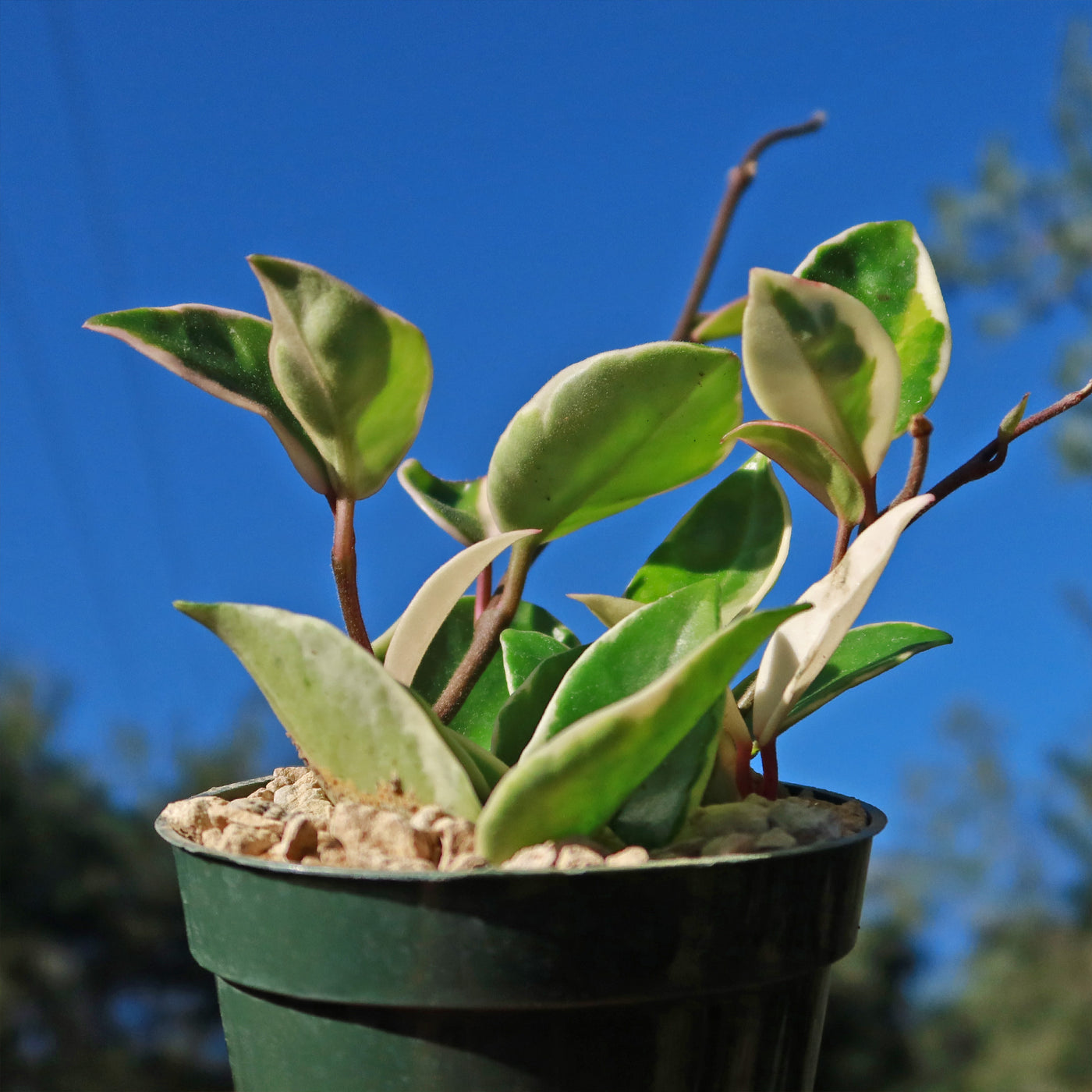
tricolor plant indoors Buy 'Hoya Tricolor' OnlineThe Hoya Tricolor is a beautiful variety of the genus Hoya, known for its variegated foliage. The leaves of this plant display three distinct colors, typically shades of green, pink, and cream. This combination of colors gives the plant a unique and eye catching appearance, hence the name "tricolor." The hoya tricolor has several other common names, such as Hoya carnosa variegata, wax plant, honey plant, and porcelain flower. The variegated leaves of
The Hoya Tricolor is a beautiful variety of the genus Hoya, known for its variegated foliage. The leaves of this plant display three distinct colors, typically shades of green, pink, and cream. This combination of colors gives the plant a unique and eye-catching appearance, hence the name "tricolor." The hoya tricolor has several other common names, such as Hoya carnosa variegata, wax plant, honey plant, and porcelain flower.
The variegated leaves of your tricolor hoya are typically thick and waxy, giving them a glossy appearance. The Hoya Carnosa variegate tricolor has a moderate growth rate and can produce new shoots within a few months, making it a popular choice for indoor gardening. However, it's important to note that its growth may be limited indoors, reaching heights of around 6 feet. In its natural habitat, such as the wild, this plant has the potential to grow much longer, with lengths of up to 20 feet.
The flowers of the tricolor hoya typically bloom in clusters during late spring to summer, and each individual flower is star-shaped and waxy in texture. The color of the flowers can vary, but they often have a lovely pink or white hue, adding a delicate touch to the overall appearance of the plant. When the Hoya Carnosa Tricolor blooms, it not only adds a burst of color but also releases a sweet, pleasant fragrance that fills the air. It's a delightful sight to behold and a treat for the senses!
The tricolor Hoya belongs to the Apocynaceae family and is native to Southeast Asia, including countries like Thailand, Malaysia, and Indonesia, where it grows as an epiphyte. At home, these plants are ideal for hanging baskets where they can trail freely.
Additionally, this friendly hoya plant is safe for both humans and pets. This hoya plant has gained popularity among plant enthusiasts for its unique and eye-catching leaves.
Watering Needs
When it comes to watering the Hoya tricolor, it's important to find the right balance. This lovely succulent plant prefers to be watered moderately, allowing the top inch or so of the soil to dry out between waterings. It's better to err on the side of caution when it comes to overwatering, as this might cause root rot and other problems. To stop water from collecting at the bottom of the pot, make sure it has drainage holes.
During the growing season, which is typically spring and summer, you can water your tricolor hoya more frequently. Water it about once a week or whenever the top layer of soil feels dry to the touch. Remember, it's always better to underwater than to overwater this plant.
In the cooler months, when your tricolor hoya is in its dormant phase, you can reduce the frequency of watering. Allow the soil to dry out a bit more between waterings, but be sure not to let it completely dry out. Keep an eye on the plant's leaves—if they start to wrinkle or droop, it's a sign that it needs a drink.
Remember, every plant is unique, so it's essential to observe your Hoya Carnosa Tricolor and adjust your watering routine based on its specific needs. By finding the right balance and providing proper care, you'll help your Hoya Tricolor thrive and show off its stunning foliage.
Light Requirements
Like other succulents, the Hoya Carnosa Tricolor enjoys bright, indirect light. Place your Hoya Tricolor in a spot where it can receive bright, filtered sunlight for a few hours each day. Avoid exposing it to direct sunlight, especially during the hottest hours of the day, as it can scorch the leaves.
If you're growing your Hoya Tricolor indoors, placing it near a north- or east-facing window can provide the right amount of light. You can also use sheer curtains or blinds to filter the sunlight if it's too intense.
If you're growing your Hoya Tricolor outdoors, make sure to find a location with dappled shade or partial sunlight. This will help protect the delicate leaves from direct sun exposure.
Remember, it's important to strike a balance with the light requirements of your Hoya Carnosa Tricolor. Too much direct sunlight can cause leaf burn, while too little light can result in leggy growth and faded foliage. By providing your Hoya Tricolor with bright, indirect light, you'll help it thrive and showcase its beautiful tricolor foliage.
Optimal Soil & Fertilizer Needs
For the soil, it's best to use a well-draining potting mix that allows excess water to flow through easily. A mix of regular potting soil, perlite, and orchid bark can work well for your Hoya Tricolor. This combination helps prevent waterlogging and ensures good airflow to the roots. Planet Desert specializes in succulents and has specialized succulent potting soil that includes an organic substrate with mycorrhizae to help with the growth of a healthy root system to help your succulents thrive. As an okay alternative, you can create your own potting mix by combining equal portions of perlite, coarse sand, and good natural potting soil.
When it comes to fertilizing, your Hoya Carnosa tricolor doesn't require excessive feeding. During the growing season, which is typically spring and summer, you can fertilize it once a month using a balanced, water-soluble fertilizer. Make sure to dilute the fertilizer according to the instructions to avoid overfeeding.
During the dormant season, which is usually in the fall and winter, you can reduce or even stop fertilizing altogether. This allows your hoya to rest and prepare for the next growing season.
Remember, it's always crucial to observe your Hoya Tricolor and adjust your watering and fertilizing routine based on its specific needs. By providing it with the right soil and occasional fertilization, you'll help it thrive and display its vibrant tricolor foliage.
Hardiness Zone & More
When it comes to indoor temperature, the Hoya Tricolor thrives in average to warm conditions. It prefers temperatures between 60°F and 80°F. It's important to avoid exposing it to extreme temperature fluctuations, as it can stress the plant and affect its growth.
When growing outdoors, the tricolor hoya grows best in USDA zones 10–12. These zones are characterized by mild to warm temperatures throughout the year, with minimal risk of frost or freezing temperatures.
As for humidity, the Hoya Carnosa Tricolor appreciates moderate to high humidity levels. A humidity range of around 40% to 60% will be the ideal environment for your Hoya plant. If the air in your home is dry, you can increase humidity by using a humidifier, placing a tray of water near the plant, or misting the leaves with water.
Remember, while these are the general preferences for the Hoya tricolor, it's always a good idea to observe your plant and make adjustments based on its specific needs. Providing it with the right temperature range and humidity level will help it thrive and showcase its stunning tricolor foliage.
Propagating Hoya Tricolor
When it comes to propagating the Hoya tricolor, one way to do it is through stem cuttings. First, choose a healthy stem with a few sets of leaves. Then, make a clean cut below a node and remove the lower leaves. Let the cutting callus for a few days before planting it in well-draining soil. Keep it in a bright spot with indirect sunlight and lightly moist soil. It may take some time, but with patience, you'll see roots develop, and your new Hoya tricolor will grow!
The Bottom Line
Overall, the Hoya Carnosa Tricolor is a stunning Hoya plant that will add a touch of color and beauty to any indoor space. With its variegated leaves displaying shades of green, pink, and cream, it's a true showstopper. Native to Southeast Asia, this Hoya species thrives in bright, indirect light and prefers well-draining soil. It's a relatively easy succulent plant to care for, making it a popular choice among plant enthusiasts. So, if you're looking to add a unique and eye-catching plant to your collection, the Hoya Carnosa Tricolor is definitely worth considering!
Shipping Notes
- Free Standard Shipping on $100+ Orders to the USA.
- Except Preorder products are shipped in 48 hours.
- Delivery to the USA:
- Standard Shipping : 3-10 business days
- If time is of the essence, please consider selecting expedited delivery for faster service.
Exchange/Return Notes
- We offer a 30-day return/exchange service after receiving.
- Final sale items are not eligible for returns or exchanges.
- To process your return/exchange, please contact us at [email protected]
- Please click here for more details>>> Return & Exchange Policy