Pay in installments of $5.02 with
 ,
,
 and
and

Shipping Estimate
USA
- USA
- CAN
- USA
- CAN
Ships within 48 hours · Estimated delivery Oct 22 - Oct 27
 Promo Codes Available:
For Your Every Summer RSVP, with Code: SUMMER15
Description
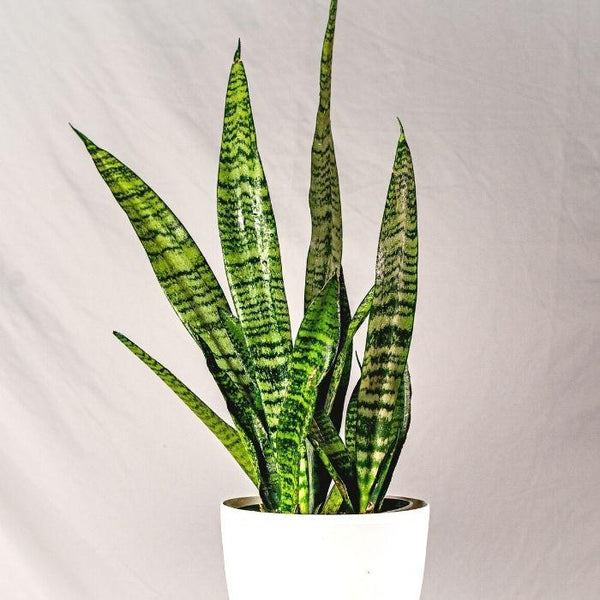
pink at bottom of snake plant Black Coral Snake PlantDark, Sword Shaped Leaves with Silver Waves The Black Coral Snake Plant is a striking selection of Dracaena trifasciata (formerly Sansevieria), known for its tall, sword like leaves in deep, almost charcoal green, etched with wavy, silver green horizontal bands. The foliage grows upright in dense clumps, creating a bold, architectural silhouette that looks just as sharp in a modern loft as it does in a cozy home office. This is a plant that feels
Dark, Sword-Shaped Leaves with Silver Waves
The Black Coral Snake Plant is a striking selection of Dracaena trifasciata (formerly Sansevieria), known for its tall, sword-like leaves in deep, almost charcoal green, etched with wavy, silver-green horizontal bands. The foliage grows upright in dense clumps, creating a bold, architectural silhouette that looks just as sharp in a modern loft as it does in a cozy home office. This is a plant that feels sculptural and intentional even when you’ve barely lifted a finger.
Upright, Clumping, and Space-Efficient
Indoors, Black Coral Snake Plant typically matures around 3–4 feet tall with a spread of about 18–24 inches, forming a tight clump of vertical leaves. New shoots emerge from underground rhizomes, gradually thickening the plant rather than sprawling outward, so it occupies a relatively small footprint for the height and drama it delivers. Growth is slow to moderate, which means it retains its shape for years without constant repotting or pruning—perfect for hallways, corners, and areas where you want a tall presence that stays in place.
Flexible Light and Infrequent Watering
One of the biggest perks of Black Coral is its forgiving nature with light. It handles anything from low indoor light to bright, indirect sun, and even some direct sun if it’s acclimated gradually, though intense afternoon rays can scorch the leaves. It generally grows faster and colors more intensely in brighter light, but it remains presentable in dimmer corners where many plants fail to thrive. Plant it in a gritty, well-draining mix—think high-quality potting soil combined with sand, perlite, or cactus mix—so excess water never lingers around the roots.
Watering is where this plant really spoils you. As a succulent-type houseplant, Black Coral prefers its soil to dry almost completely between waterings and will tolerate a bit of benign neglect. In most indoor settings, that means watering roughly every 2–6 weeks, depending on pot size, light, and temperature—less in low light or winter, a bit more in bright, warm rooms. Overwatering is the main way to get in trouble; consistently soggy soil can lead to root rot and fungal issues near the base, so err on the dry side and always use a pot with drainage holes.
Nearly No-Fail Focal Plant for Home or Office
Think of Black Coral Snake Plant as your go-to vertical accent in the “indoor landscape.” Its tall, narrow form slides neatly between furniture, along hallway walls, beside entry tables, or in corners that need height without clutter. Designers love it for offices, lobbies, and bedrooms because it reads clean and modern while tolerating low light and inconsistent care. Like other snake plants, it’s often noted for its air-purifying qualities and long lifespan, making it a brilliant, low-effort investment piece for your space. Do keep in mind that, like other Dracaena trifasciata varieties, it is considered mildly toxic to pets if chewed, so place it where curious cats and dogs aren’t likely to snack on the leaves.
Also known as a Mother-in-Law's Tongue, this plant is on our list for Top 5 Houseplants for Beginners. Botanically referred to as 'Sansevieria Trifasciata Black Coral,' these low-maintenance houseplants boast waxy, sword-like foliage that makes for a perfect vertical element to a space.
Shipping Notes
- Free Standard Shipping on $100+ Orders to the USA.
- Except Preorder products are shipped in 48 hours.
- Delivery to the USA:
- Standard Shipping : 3-10 business days
- If time is of the essence, please consider selecting expedited delivery for faster service.
Exchange/Return Notes
- We offer a 30-day return/exchange service after receiving.
- Final sale items are not eligible for returns or exchanges.
- To process your return/exchange, please contact us at [email protected]
- Please click here for more details>>> Return & Exchange Policy