Pay in installments of $7.06 with
 ,
,
 and
and

Shipping Estimate
USA
- USA
- CAN
- USA
- CAN
Ships within 48 hours · Estimated delivery Jul 21 - Jul 26
 Promo Codes Available:
For Your Every Summer RSVP, with Code: SUMMER15
Description
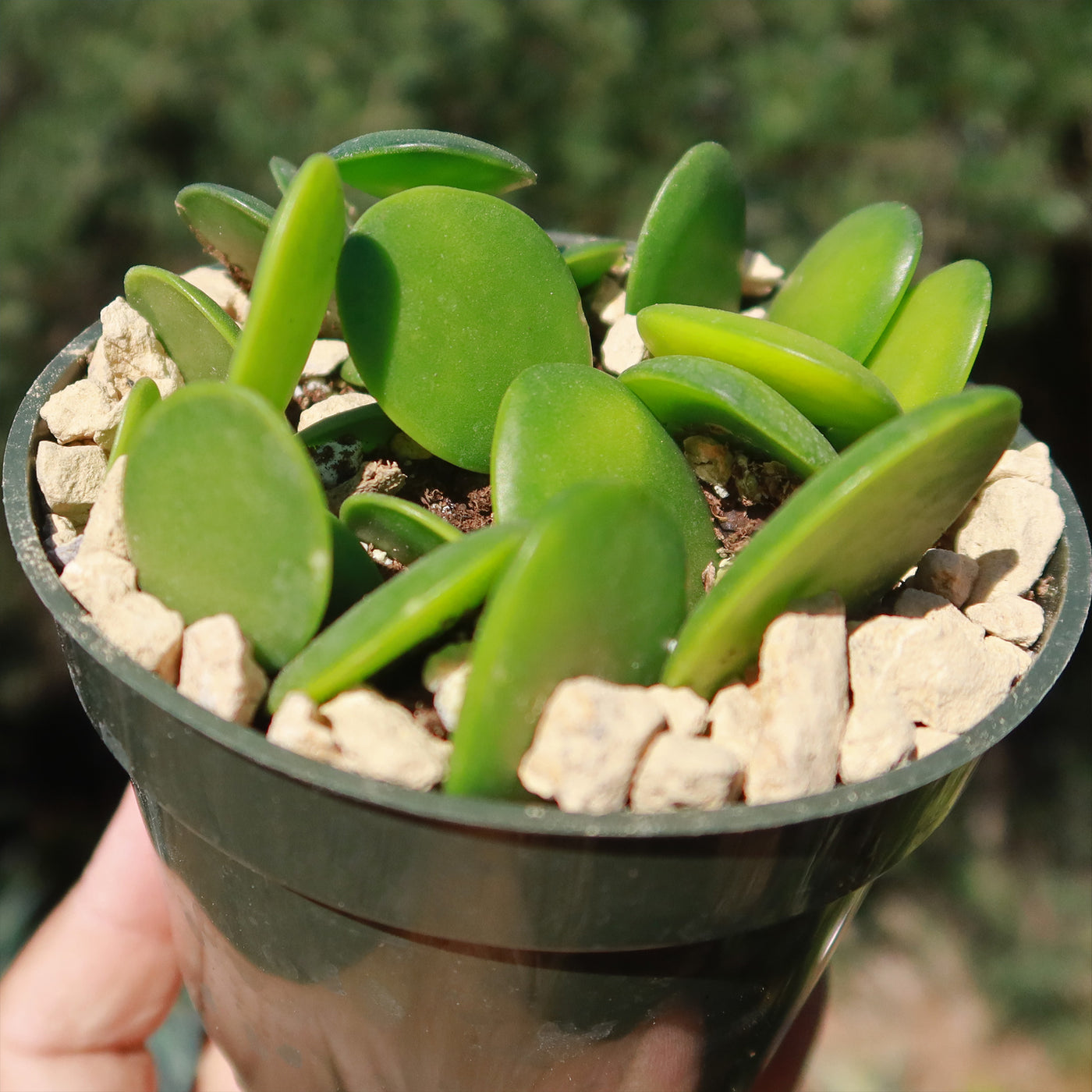
silver dollar succulent care Buy 'Silver Dollar Vine - Xerosicyos danguyi'Introducing the fascinating silver dollar vine, also known as Xerosicyos danguyi. The silver dollar vine has several other common names such as the penny plant, silver dollar plant, or Dollar vine. The name "silver dollar" refers to the shape and color of the leaves on this succulent vine, which originates from the dry regions of Madagascar. This unique silver dollar plant is sure to catch your attention with its distinctive appearance and interesting
Introducing the fascinating silver dollar vine, also known as Xerosicyos danguyi. The silver dollar vine has several other common names such as the penny plant, silver dollar plant, or Dollar vine.
The name "silver dollar" refers to the shape and color of the leaves on this succulent vine, which originates from the dry regions of Madagascar. This unique silver dollar plant is sure to catch your attention with its distinctive appearance and interesting growth habits.
Xerosicyos danguyi has cylindrical stems and thick, flattened, round, silvery-green leaves. Xerosicyos means 'dry cucumber', and this plant belongs to the cucumber family. These are vining succulent plants that climb using delicate tendrils to stick onto the wall or other surfaces. Despite its climbing abilities, the Silver Dollar Vine only turns into a loose shrub over time if it does not have something to climb and produces a small caudex at the base. The leaves are up to 1.6 inches long and 1.4 inches wide, giving the plant a striking and eye-catching look. This vine can be grown in a hanging basket or trained to climb a trellis or wall, adding a touch of greenery and uniqueness to any space.
The flowers of the Xerosicyos danguyi are small and inconspicuous, but what makes them unique is their intriguing fragrance. When the silver dollar vine blooms in the Spring and Summer, it releases a sweet and delicate scent that can fill the air around it.
The Silver Dollar flowers themselves are pale yellow or greenish white in color, adding a subtle beauty to the overall appearance of the plant. While the Silver Dollar Vine is primarily known for its striking silver dollar-shaped leaves, its flowers provide an extra touch of charm and allure. If you have the opportunity to witness the blooms, it's definitely a treat for the senses.
Additionally, the Silver Dollar Vine is non-toxic to cats and dogs, so you can enjoy its beauty without worrying about your furry friends. It's sure to be a conversation starter in any indoor garden.
Watering Needs
Like most succulents, the Silver Dollar Vine has adapted to survive in arid conditions, which means it has low watering needs. It's important to let the soil dry out between waterings to avoid overwatering. So, make sure the top inch or so of the soil is dry before giving it a good drink.
When it's time to water, give your Xerosicyos danguyi silver dollar vine a thorough soaking, allowing the water to reach the roots. But remember, moderation is key! Avoid leaving your silver dollar vine plant sitting in standing water, as this can lead to root rot. During the growing season, which is typically spring and summer, watering should be done again every two to three weeks once the soil has dried out.
One of the most intriguing aspects of the Silver Dollar Vine is its ability to store water in its leaves. This adaptation allows it to survive in dry conditions, making it a perfect choice for those who tend to forget to water their succulent plants. The leaves can shrink or shrivel when the dollar plant is low on water, but don't fret! They'll plump back up when watered, showing off their unique charm once again.
Keep in mind that the watering frequency may vary depending on factors like the temperature, humidity, and the type of potting mix used. So, it's always a good idea to monitor the soil moisture and adjust your watering schedule accordingly.
Light Requirements
When grown indoors, the Silver Dollar Vine thrives in bright, indirect light. It enjoys being near a window where it can receive plenty of bright, filtered sunlight throughout the day. However, it's important to protect it from direct sunlight, especially during the hottest parts of the day, as this can scorch its leaves.
If you're growing your silver dollar vine outdoors, it is important to choose a location that receives partial shade. This dollar plant thrives in bright, indirect sunlight and can be damaged by intense heat or direct sunlight. If you notice that your Silver Dollar Vine's leaves are turning yellow or brown, it might be an indication that it's receiving too much direct sunlight.
Meanwhile, if the leaves start stretching or becoming pale, it could mean that they're not getting enough light. In that case, you can consider moving it to a brighter spot or supplementing it with artificial grow lights.
Remember, finding the right balance is key! Provide a spot with bright, indirect light, and observe how your Xerosicyos danguyi responds. If it's thriving and maintaining its vibrant green color, then you've found the perfect spot.
Optimal Soil & Fertilizer Needs
The Xerosicyos danguyi favors very airy, sandy soil that drains well. Planting them in ordinary soil will result in compacted roots, stunted growth, and, most likely, root rot.
Instead, make or buy a well-draining potting mix, or ideally, use our specialized succulent potting mix that contains 5 natural substrates and mycorrhizae to promote the development of a strong root system that helps your Silver dollar succulent to thrive.
When it comes to fertilizer, the silver dollar vine doesn't require excessive feeding. During the active growing season, which is typically spring, you can fertilize it with a balanced (5-10-5), water-soluble NPK fertilizer diluted to half strength. Apply the fertilizer once a year and follow the instructions.
It's important to remember not to over-fertilize, as succulents like the silver dollar vine are adapted to survive in nutrient-poor environments. Too much fertilizer can actually harm your Xerosicyos danguyi and lead to issues like burned roots or excessive growth.
Hardiness Zone & More
When growing indoors, the Xerosicyos danguyi silver dollar vine prefers a warm and cozy environment. It thrives in average room temperatures ranging from 65°F to 75°F. It's important to keep your silver dollar vine away from drafts or sudden temperature fluctuations, as it prefers stable conditions.
When growing outdoors, the Xerosicyos danguyi is best suited for hardiness zones 10-11, where temperatures rarely fall below 30°F. If you live in a colder climate, you can still grow the silver dollar vine outdoors during the summer months, but it's important to bring it indoors before the temperatures start to dip.
Remember, the silver dollar vine is not frost-tolerant, so it's crucial to protect it from freezing temperatures. If you're growing it outdoors, make sure to bring it inside or provide proper insulation during the colder months.
Xerosicyos danguyi Propagation
To propagate Xerosicyos danguyi silver dollar vine, select a healthy stem, prepare a 4-6 inch long cutting, remove lower leaves, allow it to callus, plant in a well-draining soil mix, and provide proper care. Place the cutting in a warm, bright location, and avoid direct sunlight and water sparingly. Overwatering can lead to rotting. When Xerosicyos danguyi is grown from seed, a caudex will form. With patience and Xerosicyos danguyi care, the cutting should develop roots and grow into a new plant, expanding your collection.
The Bottom Line
To sum it up, the Xerosicyos danguyi, or the Silver Dollar Vine, is a unique and fascinating succulent plant. It thrives in warm indoor temperatures and is best suited for hardiness zones 10-11 outdoors. Propagating this plant through stem cuttings can be a rewarding way to expand your collection. Just remember to provide it with well-drained soil and bright but indirect light, and avoid overwatering. With its distinctive silver dollar-shaped leaves and ability to store water, the Xerosicyos danguyi adds a touch of exotic beauty to any space. Whether you're a cactus enthusiast or simply looking for an interesting houseplant, the Xerosicyos danguyi Silver Dollar Vine is definitely worth considering.
Shipping Notes
- Free Standard Shipping on $100+ Orders to the USA.
- Except Preorder products are shipped in 48 hours.
- Delivery to the USA:
- Standard Shipping : 3-10 business days
- If time is of the essence, please consider selecting expedited delivery for faster service.
Exchange/Return Notes
- We offer a 30-day return/exchange service after receiving.
- Final sale items are not eligible for returns or exchanges.
- To process your return/exchange, please contact us at [email protected]
- Please click here for more details>>> Return & Exchange Policy