Pay in installments of $5.20 with
 ,
,
 and
and

Shipping Estimate
USA
- USA
- CAN
- USA
- CAN
Ships within 48 hours · Estimated delivery Aug 18 - Aug 23
 Promo Codes Available:
For Your Every Summer RSVP, with Code: SUMMER15
Description
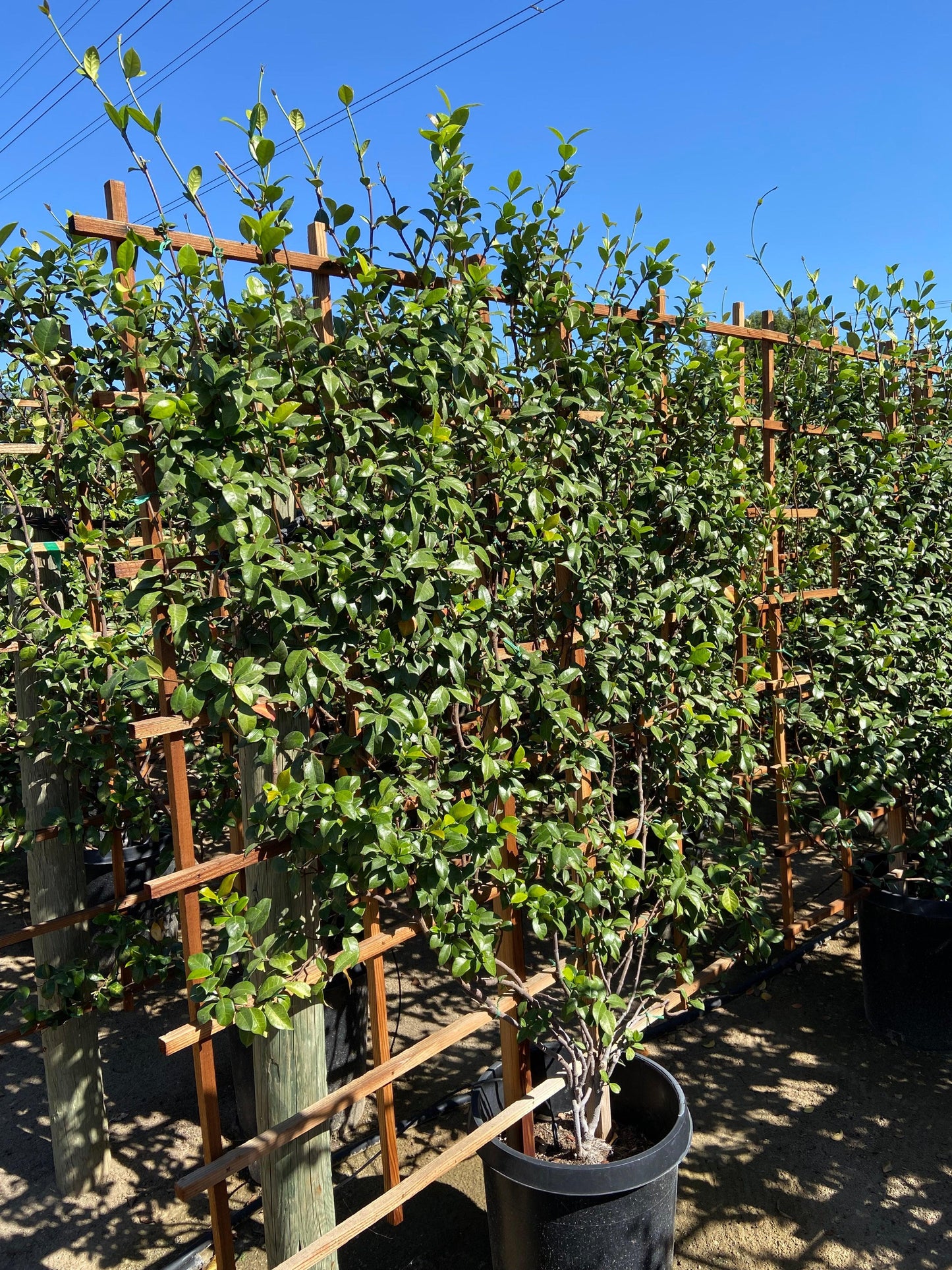
jasmine plant trellis Star Jasmine (Trachelospermum Jasminoides)Create a Fragrant Paradise in Your Garden with Months of Sweet Scented Blooms Star jasmine transforms plain fences, trellises, patios, and garden borders into evergreen, sweetly fragrant spaces filled with creamy white flowers from spring into summer. Known botanically as Trachelospermum jasminoides, this fast growing vine is loved for its glossy dark green foliage, star shaped blooms, and strong sweet fragrance that can perfume an entire yard. Star
Create a Fragrant Paradise in Your Garden with Months of Sweet-Scented Blooms
Star jasmine transforms plain fences, trellises, patios, and garden borders into evergreen, sweetly fragrant spaces filled with creamy white flowers from spring into summer.
Known botanically as Trachelospermum jasminoides, this fast growing vine is loved for its glossy dark green foliage, star shaped blooms, and strong sweet fragrance that can perfume an entire yard. Star jasmine flowers appear in clusters of small, white, star-shaped flowers that bloom in early spring and early summer, typically from March to September, depending on the climate.
If you want a plant that adds privacy, beauty, and fragrance without demanding constant care, star jasmine plants are a high-impact choice for California gardens, patios, and outdoor living spaces, especially when combined with other popular privacy trees and shrubs.
Why You’ll Love Star Jasmine
-
Intoxicating Fragrance – Sweet-scented white flowers fill your yard with perfume. The flowers of star jasmine emit a strong, sweet fragrance that can perfume an entire yard, especially in the early mornings when dew accumulates on the blossoms, attracting pollinators like bees and butterflies.
-
Fast Coverage – Star jasmine vines quickly cover fences, walls, pergolas, and a trellis when given a support structure. Star jasmine is a fast-growing vine that can reach heights of 10-12 feet and widths of up to 4 feet during the growing season, similar in screening performance to a Fern Pine (Podocarpus gracilior) hedge.
-
Year-Round Beauty – Evergreen foliage stays lush through the seasons. The leaves of star jasmine are leathery, shiny, and oval-shaped, remaining green year-round in most climates, giving your garden dark green structure even in winter, especially when paired with taller evergreen trees for year-round privacy.
-
Low Maintenance – Once well established, star jasmine thrives with modest care. Star jasmine thrives in USDA hardiness zones 8 to 11, being relatively drought-tolerant, pest-resistant, and deer-resistant once established.
-
Pet Safe – Star jasmine is commonly selected by pet owners because it is considered non-toxic to dogs and cats according to ASPCA guidelines, though the milky sap from broken twining stems can irritate skin and ingestion of any plant material should still be discouraged. You can find healthy, nursery-grown Star Jasmine (Trachelospermum jasminoides) plants ready to plant in your own garden.
Star jasmine flowers are known for their creamy white color and pinwheel shape, with each bloom being about 1 inch across, and they are particularly fragrant, making them a favorite among gardeners. The blooms of star jasmine are highly attractive to bees and other pollinators, so this flowering vine supports a more active, biodiverse garden while improving the way your outdoor space looks and smells.
What Makes Star Jasmine Different
Most fragrant vines either bloom briefly, lose their leaves in winter, or need frequent maintenance to stay attractive. Star Jasmine combines fragrance, evergreen beauty, flexible growth, and dependable performance in one plant.
-
Extended Blooming Season – Star jasmine produces fragrant white flowers from March through September in many mild climates, unlike many flowering vines that offer only a short display. Blooming often begins in early spring or late spring and can continue into early summer and beyond when sun, soil, and water are right.
-
True Evergreen Nature – In mild climates, the evergreen foliage stays green through fall and winter while many other plants go dormant. It is typically evergreen in mild climates (USDA Zones 8-10) and can be grown in large, movable containers in colder areas.
-
Versatile Growth Habit – Grow star jasmine as a climbing vine, a sprawling shrub, a container specimen, or a weed-suppressing ground cover. When left to sprawl without support, star jasmine can create a thick, weed-suppressing ground cover, and many sizes of Star Jasmine vines for sale make it easy to match the plant to your space.
Although often called confederate jasmine, star jasmine is not a true jasmine in the genus Jasminum. Its genus name is Trachelospermum, and the specific epithet jasminoides means it resembles jasmine. Compared with many similar flowering vines, star jasmine stands out because it offers creamy white flowers, dark green foliage, strong fragrance, and a tidy evergreen presence in one adaptable plant.
How It Works in Your Garden
-
Plant and Support
Plant star jasmine in spring or fall, allowing it to establish roots before the heat of summer or the cold of winter. Set the root ball level with the surrounding soil, backfill with well drained soil, firm gently to remove air pockets, water regularly during the first year, and add mulch to reduce weeds and protect roots. -
Establish and Grow
Train the twining stems onto a trellis, fence, arbor, pergola, or other support structure. Star jasmine makes an excellent living privacy screen when trained up a trellis, arbor, or pergola. It can also grow beautifully in pots, making it suitable for areas where its strong fragrance can be appreciated up close, while taller structures in the yard can be planted with Fern Pine trees (Podocarpus gracilior) for added shade and privacy. -
Enjoy the Results
As new growth develops, the vine fills vertical space with glossy dark green leaves and fragrant white flowers. Once established, star jasmine can grow six feet or more in a single growing season after its second year. Star jasmine can reach growth heights of up to 20 feet or more and has wiry, twining stems that exude a milky sap when broken.
For best blooming, star jasmine thrives in full sun, requiring at least six to eight hours of sunlight daily for optimal growth and blooming. It requires at least 4 to 6 hours of daily sunlight, handling full sun well but benefiting from some partial afternoon shade in intensely hot and dry regions, much like many other evergreen shrubs and garden plants used in California landscapes.
Plant Specifications
-
Scientific Name: Trachelospermum jasminoides
-
Common Names: Star jasmine, confederate jasmine
-
Plant Type: Evergreen flowering vine; can also be trained as ground cover or a sprawling shrub
-
Mature Size: 10-12 feet tall and up to 4 feet wide during the growing season; can reach up to 20 feet or more with mature support and ideal conditions
-
Hardiness Zones: USDA hardiness zones 8 to 11; often ideal for California and the southern United States, similar to the drought-tolerant California Pepper Tree (Schinus molle)
-
Mild Climate Performance: Typically evergreen in USDA Zones 8-10
-
Sun Requirements: Full sun to partial shade; star jasmine thrives in full sun and requires at least eight hours of sunlight a day for optimal blooming, although it can tolerate partial shade
-
Heat Exposure: In very hot, dry regions, part shade or partial afternoon shade can help prevent stress
-
Soil Needs: Well-draining, moderately moist soil with a neutral pH of 6.0-7.0
-
Ideal Soil Range: The ideal soil for star jasmine is well-draining and moderately moist, with a neutral pH range of 6.0 to 7.0
-
Watering: Water star jasmine when the top inch of soil is dry, allowing it to dry out between waterings to prevent root rot
-
Bloom Time: March through September depending on climate, with strongest blooming from spring through early summer, allowing you to coordinate with complementary flowering trees for seasonal color
-
Flower Description: Creamy white, pinwheel-shaped, star shaped flowers about 1 inch across
-
Pollinator Value: Attract bees, butterflies, and other pollinators, especially when combined with other fragrant plants like Sweet Osmanthus (Osmanthus fragrans) nearby
-
Maintenance: Prune after the main blooming period to shape, control growth, and encourage bushier new growth
-
Fertilizer: Fertilizing star jasmine once in early spring and again in mid-to-late summer helps encourage bud production, ideally with a slow-release granular fertilizer or a high-potash liquid feed
-
Pot Culture: Suitable for large pots with drainage; in colder climates, containers can be moved indoors or to a protected area during winter
-
Pest Notes: Generally not known for serious insect or disease problems, though stressed plants may occasionally attract scale, mealybugs, spider mites, or japanese beetles
The soil for star jasmine should be well-draining and moderately moist, with a neutral pH of 6.0-7.0. Avoid soggy soil, because poorly drained soil can damage roots and lead to rot, especially in a pot.
Perfect For
-
California homeowners creating privacy screens, green walls, and fragrant outdoor rooms
-
Landscape designers looking for dependable, fast growing vine solutions
-
Garden enthusiasts who want low-maintenance plants with high visual impact
-
Pet owners seeking a beautiful climbing plant commonly considered safe around dogs and cats
-
Patio, balcony, and courtyard gardeners who want fragrance close to seating areas
-
Homeowners who want evergreen foliage that will stay green through mild winter conditions
If you want to grow star jasmine for privacy, scent, or year-round garden structure, this plant fits beautifully into outdoor living spaces. Use it near windows, walkways, gates, seating areas, and dining patios where the smell of the flowers can be enjoyed up close.
It also works well with other plants when given enough room and regular pruning. In the ground, it can cover bare areas and suppress weeds; on a support structure, it becomes a fragrant living screen.
Frequently Asked Questions
How fast does star jasmine grow?
Star jasmine is fast growing once established. During the first year, the plant focuses on roots and top growth may be moderate. After its second year, once established, star jasmine can grow six feet or more in a single growing season.
When should I prune star jasmine?
Pruning star jasmine after the main spring or summer blooming phase is key to maintaining shape and promoting bushier growth. Pruning star jasmine is recommended to control its growth; it can be trimmed back by about ¼ to ⅓ of a vine to manage its size. Avoid heavy pruning too early, because flowers form best when the plant has time to develop healthy new growth.
Will it damage my fence or structure?
Star jasmine climbs with wiry, twining stems rather than aggressive clinging roots, so it is generally easier to manage than many climbing vines. Give it a trellis, arbor, fence, or pergola, then tie and guide stems as needed. Regular pruning keeps the vine from overwhelming nearby structures or other plants.
How fragrant are the flowers?
Very fragrant. The creamy white flowers carry a strong sweet fragrance, especially in warm weather and early mornings when dew collects on the blossoms. A mature plant can perfume a patio, walkway, or entire small yard.
Does it attract bees and butterflies?
Yes. The blooms of star jasmine are highly attractive to bees and other pollinators. The fragrant flowers also attract bees and butterflies, making star jasmine a strong choice for gardeners who want beauty and pollinator activity.
Can star jasmine grow in shade?
Star jasmine can tolerate shade and partial shade, but it blooms best in sun. For the strongest flowering, provide full sun with at least six to eight hours of sunlight daily. In hot inland areas, partial afternoon shade can help the plant handle dry spells.
Can I grow star jasmine in a pot?
Yes. Star jasmine can grow beautifully in pots, especially near doors, balconies, patios, and seating areas where the fragrance is easy to enjoy. Choose a large pot with drainage, use well drained soil, and water when the top inch of soil feels dry.
Can Yardwork help me choose the right location?
Yes. Yardwork can help with plant selection, placement, consultation, and soil testing so your star jasmine plants have the right sun exposure, soil types, drainage, and support structure from the start.
Transform Your Garden Today
Stop settling for boring fences, bare walls, and bland vertical spaces. Choose Star Jasmine (Trachelospermum jasminoides) and enjoy months of fragrant, creamy white flowers, glossy evergreen foliage, and a garden that feels more private, polished, and alive.
Yardwork selects plants for California landscapes, outdoor living, and long-term garden performance. Whether you want a flowering vine for a trellis, a fragrant privacy screen, a patio pot, or a low ground cover, star jasmine brings beauty, scent, and reliable growth to the space.
Shipping Notes
- Free Standard Shipping on $100+ Orders to the USA.
- Except Preorder products are shipped in 48 hours.
- Delivery to the USA:
- Standard Shipping : 3-10 business days
- If time is of the essence, please consider selecting expedited delivery for faster service.
Exchange/Return Notes
- We offer a 30-day return/exchange service after receiving.
- Final sale items are not eligible for returns or exchanges.
- To process your return/exchange, please contact us at [email protected]
- Please click here for more details>>> Return & Exchange Policy