Pay in installments of $5.95 with
 ,
,
 and
and

Shipping Estimate
USA
- USA
- CAN
- USA
- CAN
Ships within 48 hours · Estimated delivery Sep 18 - Sep 23
 Promo Codes Available:
For Your Every Summer RSVP, with Code: SUMMER15
Description
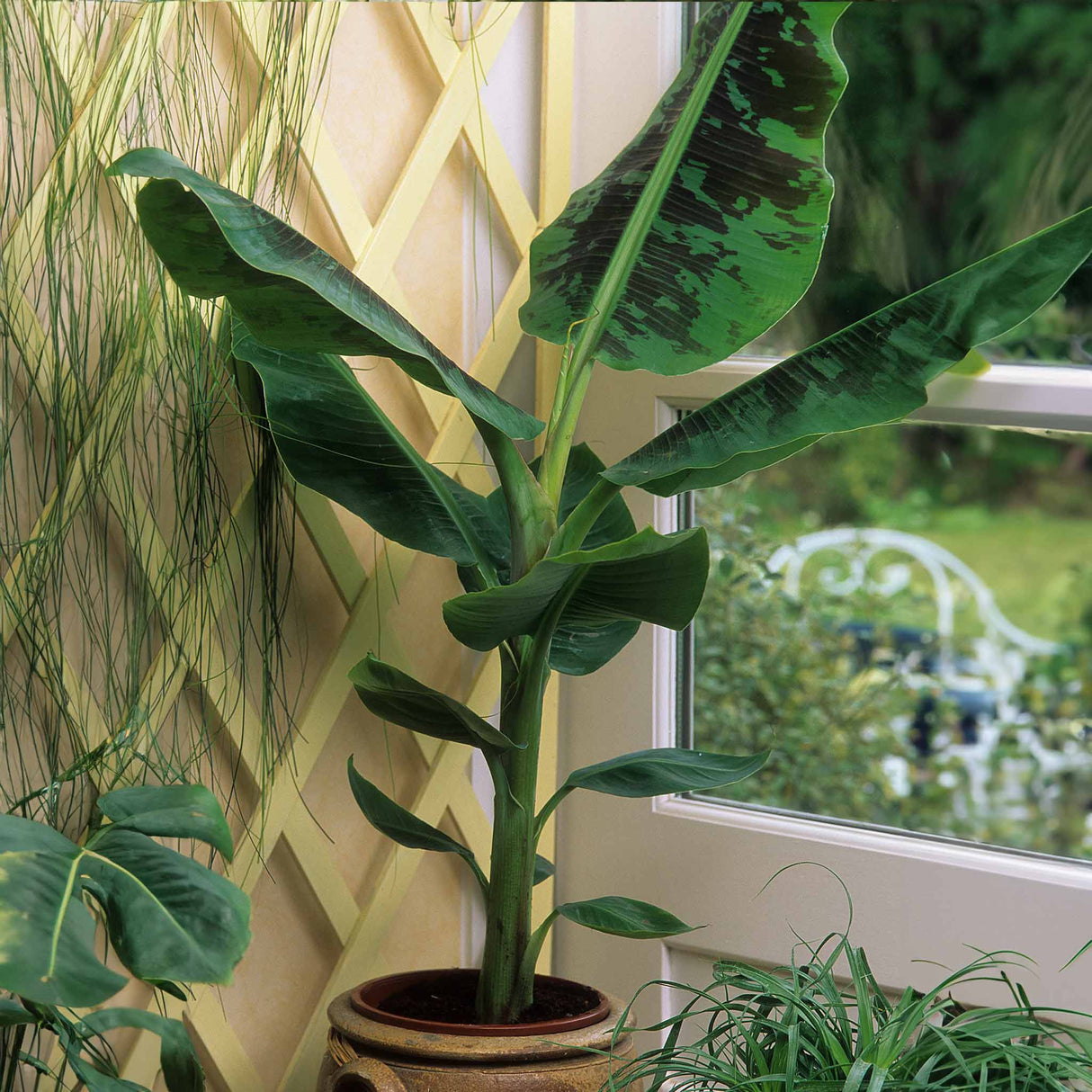
indoor banana plant nz Dwarf Cavendish Banana Tree – Compact, Fast-Growing, Sweet BananasDwarf Cavendish Banana Tree Tropical Beauty with Homegrown Bananas Bring a tropical touch to your garden or indoor space with the Dwarf Cavendish Banana Tree! Known for its compact size and lush, broad leaves, this striking plant not only adds exotic flair but also produces delicious, homegrown bananas. Whether you're planting it outdoors in warm climates or growing it indoors as a houseplant, the Dwarf Cavendish Banana Tree is easy to care for and
Dwarf Cavendish Banana Tree – Tropical Beauty with Homegrown Bananas
Bring a tropical touch to your garden or indoor space with the Dwarf Cavendish Banana Tree! Known for its compact size and lush, broad leaves, this striking plant not only adds exotic flair but also produces delicious, homegrown bananas. Whether you're planting it outdoors in warm climates or growing it indoors as a houseplant, the Dwarf Cavendish Banana Tree is easy to care for and rewards you with both beauty and tasty fruit. Perfect for gardeners looking for an eye-catching, fruit-bearing tree that can thrive in containers or small spaces.
Key Benefits of Dwarf Cavendish Banana Tree
- Compact Size, Big Impact: The Dwarf Cavendish reaches a manageable height of 8-10 feet, making it ideal for smaller yards, patios, or indoor spaces. It brings the beauty of a full-sized banana tree without overwhelming your garden or room.
- Homegrown Bananas: This variety produces sweet, edible bananas right from your own tree! With proper care, you'll enjoy bunches of small, flavorful bananas—perfect for smoothies, snacks, or baking.
- Tropical Foliage: The Dwarf Cavendish is known for its large, bright green leaves that add a tropical vibe to any landscape or home. The striking foliage provides year-round beauty even before the bananas appear.
- Fast-Growing: The Dwarf Cavendish is a quick grower, reaching its full height in just a few years, giving you lush, tropical greenery and fruit faster than many other fruit-bearing plants.
- Container-Friendly: Thanks to its compact size, this banana tree is perfect for growing in containers, making it easy to bring indoors during cooler months in colder climates.
Ideal Placement and Uses
The Dwarf Cavendish Banana Tree can enhance your home or garden in a variety of ways:
- Indoor Tropical Houseplant: Grow it indoors as a striking houseplant that brings a lush, tropical feel to your living room, sunroom, or office. Its bold leaves add instant greenery to any space.
- Patio or Balcony Planting: Perfect for containers, the Dwarf Cavendish thrives on patios or balconies, adding a touch of the tropics to outdoor seating areas.
- Outdoor Landscaping: In warmer climates (USDA Zones 9-11), plant your banana tree outdoors to create a tropical oasis in your garden or as a standout focal point.
- Edible Garden: Incorporate the Dwarf Cavendish into your edible garden or backyard orchard for a fun and unique fruit-bearing plant that yields delicious, homegrown bananas.
Growing Tips for Dwarf Cavendish Banana Tree
The Dwarf Cavendish Banana Tree is fast-growing and easy to care for. Follow these tips for best results:
- Sunlight: This banana tree loves bright light! Plant in full sun outdoors or place it in a bright, sunny spot indoors where it can receive at least 6-8 hours of sunlight daily.
- Soil: The Dwarf Cavendish prefers well-draining, rich soil. If growing in containers, use a quality potting mix with good drainage to prevent waterlogging.
- Watering: Banana trees thrive in moist soil. Water regularly, keeping the soil consistently moist but not waterlogged. Be sure to increase watering during hot, dry weather or when growing indoors with dry air.
- Temperature: While it thrives outdoors in Zones 9-11, the Dwarf Cavendish can also be grown indoors in cooler climates. Just make sure to bring it indoors before temperatures drop below 50°F.
- Fertilizing: Feed your banana tree with a balanced fertilizer every 2-4 weeks during the growing season to encourage strong growth and fruit production.
- Repotting: If growing in a container, repot every 2-3 years as the tree grows, making sure to choose a pot that allows enough room for its expanding root system.
Add a Tropical Touch with the Dwarf Cavendish Banana Tree
Whether you're looking for a stunning houseplant or a unique addition to your garden, the Dwarf Cavendish Banana Tree offers the perfect blend of beauty and functionality. With its lush foliage and delicious bananas, this compact tree brings a touch of the tropics to any home or garden. Its manageable size and container-friendly growth make it accessible to gardeners of all levels, and with proper care, you’ll be rewarded with tasty homegrown bananas!
Order your Dwarf Cavendish Banana Tree today from Nationwide Plants and start growing your own tropical paradise. We provide high-quality plants with fast, reliable shipping, so you can enjoy the beauty and flavor of this unique banana tree in no time!
Shipping Notes
- Free Standard Shipping on $100+ Orders to the USA.
- Except Preorder products are shipped in 48 hours.
- Delivery to the USA:
- Standard Shipping : 3-10 business days
- If time is of the essence, please consider selecting expedited delivery for faster service.
Exchange/Return Notes
- We offer a 30-day return/exchange service after receiving.
- Final sale items are not eligible for returns or exchanges.
- To process your return/exchange, please contact us at [email protected]
- Please click here for more details>>> Return & Exchange Policy