Pay in installments of $5.09 with
 ,
,
 and
and

Shipping Estimate
USA
- USA
- CAN
- USA
- CAN
Ships within 48 hours · Estimated delivery Oct 18 - Oct 23
 Promo Codes Available:
For Your Every Summer RSVP, with Code: SUMMER15
Description
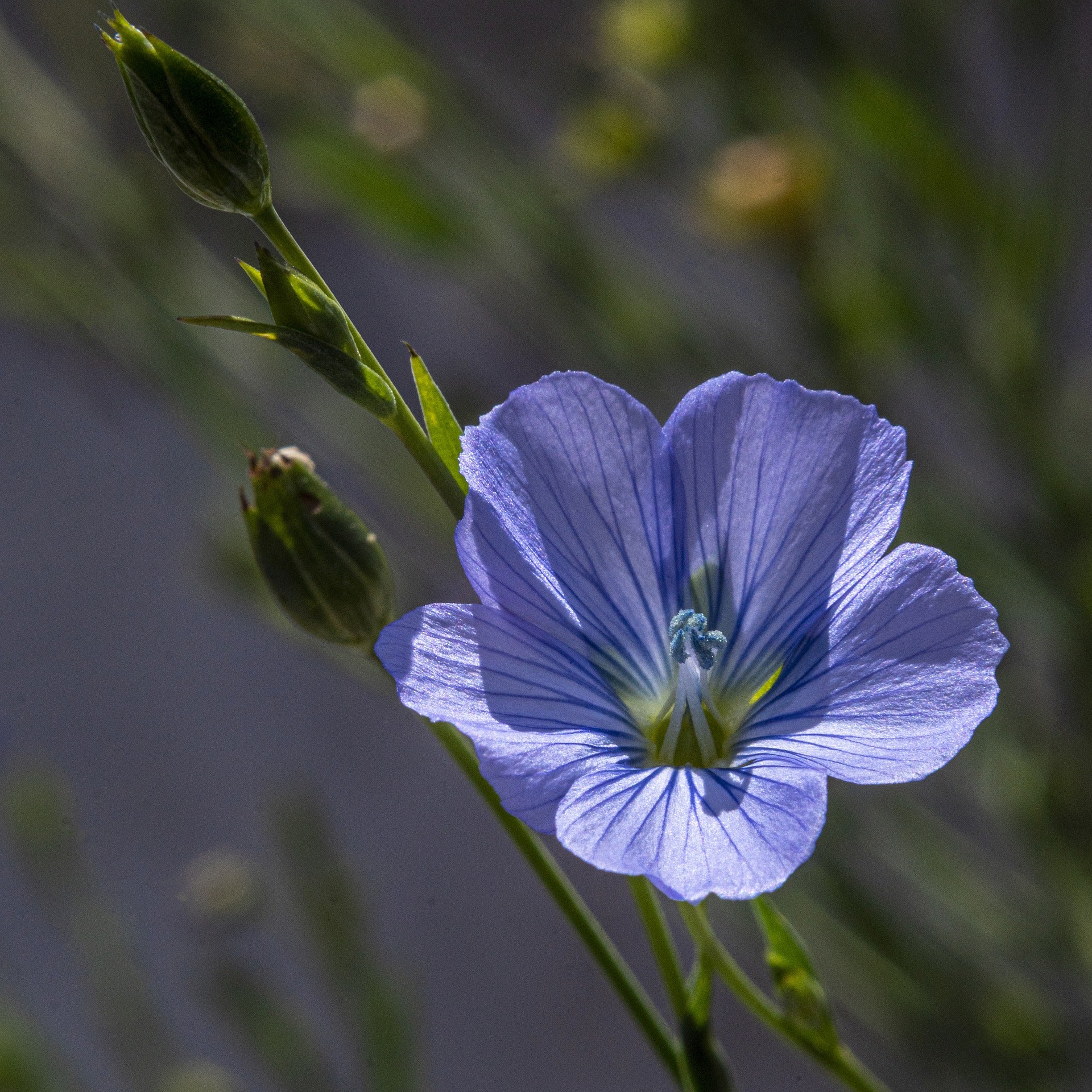
blue flax flower seeds Blue Flax Wildflower Seed – Hancock SeedBlue flax is an enchanting perennial plant known for its striking, sky blue flowers and graceful, slender stems. Blue flax produces numerous delicate, five petaled flowers that are a stunning shade of blue. Each flower typically spans about an inch in diameter and has a delicate, papery texture. The flowers bloom profusely along slender, wiry stems, creating a captivating display in gardens. The plant usually reaches a height of about 1 to 1. 5 feet,
Blue flax is an enchanting perennial plant known for its striking, sky-blue flowers and graceful, slender stems. Blue flax produces numerous delicate, five-petaled flowers that are a stunning shade of blue. Each flower typically spans about an inch in diameter and has a delicate, papery texture. The flowers bloom profusely along slender, wiry stems, creating a captivating display in gardens. The plant usually reaches a height of about 1 to 1.5 feet, with a spread of approximately 1 foot. Its thin, swaying stems give it an airy and elegant appearance.
~~~
Blue flax is an enchanting perennial plant known for its striking, sky-blue flowers and graceful, slender stems. Blue flax produces numerous delicate, five-petaled flowers that are a stunning shade of blue. Each flower typically spans about an inch in diameter and has a delicate, papery texture. The flowers bloom profusely along slender, wiry stems, creating a captivating display in gardens. The plant usually reaches a height of about 1 to 1.5 feet, with a spread of approximately 1 foot. Its thin, swaying stems give it an airy and elegant appearance.
Product Information
- Botanic Name: Linum perenne
- Application or Use: Ornamental, Conservation, Habitat
- Germination Time: 7 - 14 days, under optimal conditions
- Growing Locations: Warm Season, Transition Zone, Cool Season
- Height: 18 - 30 inches
- Sunlight Requirements: 8+ hours, full sun for best results
- Advantages: Adapted to many soil types; showy blooms, excellent for landscaping; attracts pollinators.
- When to Plant: See instructions tab.
Product Information
Blue flax is an enchanting perennial plant known for its striking, sky-blue flowers and graceful, slender stems.
Blue flax produces numerous delicate, five-petaled flowers that are a stunning shade of blue. Each flower typically spans about an inch in diameter and has a delicate, papery texture. The flowers bloom profusely along slender, wiry stems, creating a captivating display in gardens. The plant usually reaches a height of about 1 to 1.5 feet, with a spread of approximately 1 foot. Its thin, swaying stems give it an airy and elegant appearance.
Blue flax blooms in late spring to early summer. Each flower tends to open in the morning and closes by midday, but the plant continuously produces new flowers, ensuring a prolonged flowering period.
Blue flax boasts narrow, lance-shaped leaves that grow alternately along the stems. The foliage is a fresh green color and adds to the plant’s appeal, though the main attraction is undoubtedly its vibrant blue flowers.
Thriving in well-drained soil and preferring full sun, blue flax is relatively low-maintenance and can tolerate various soil types. Once established, it's reasonably drought-tolerant and doesn’t require excessive care.
The flowers of blue flax are attractive to bees and butterflies, making it a pollinator-friendly plant that contributes to the garden's biodiversity.
Blue flax is a popular choice for wildflower gardens, cottage-style gardens, or naturalized landscapes. Its delicate beauty and effortless elegance make it an excellent addition to borders, rock gardens, or mixed perennial beds.
Blue flax is beloved for its captivating blue flowers, its ability to bring a touch of grace to gardens, and its ease of cultivation, making it an ideal choice for gardeners seeking an effortlessly charming addition to their landscapes.
*Product packaging may appear different than what is pictured.~~~
Wildflower Planting Time Based on Region:
Southeast
- Fall, Winter: Sowing wildflowers in Fall/Winter is the ideal time in the Southeast, with October 1 – December 31 being the best dates. The weather is ideal for starting seeds, and seedlings can grow and harden off before frost.
- Spring: A good time to plant wildflowers, especially annual species that flower quickly. Plant after the last frost date when soil temperatures have warmed to around 55°F, typically occurring within a month or so after the final frost of winter; this ensures the seeds can germinate properly without being affected by cold weather.
- Summer: You can plant wildflower seeds in the summer, but the hot sun can dry out the soil and stress your seedlings. Summer is a good time to plant quick-growing annual wildflowers.
Southwest
- Fall: A good time to plant spring wildflowers in the desert Southwest. Fall's cooler temperatures and seasonal rains help seeds germinate. In the mountains, you can plant after spring frosts.
- Winter: In areas that get snow, winter seeding can give seeds an advantage in the spring.
- Spring: A popular time to plant wildflowers in most states. You can plant after the last frost and when the soil temperature is at least 55°F. In warmer climates, you can plant at the end of the rainy season.
- Summer: You can plant wildflower seeds in the summer, but the hot sun can dry out the soil and stress your seedlings. Summer is a good time to plant quick-growing annual wildflowers.
Northeast
- Fall, Winter: The best time to plant wildflowers in the Northeast is in late fall, after the first frost but before heavy snow. This is known as dormant seeding and can take place from November to December. Cold temperatures and damp soil during the winter help wildflower seeds germinate.
- Spring: Plant in early spring, after the ground has thawed and soil temperatures reach around 55-65°F. This is a popular time to plant wildflowers because it's typically rainier, which helps water seedlings.
- Summer: You can plant wildflower seeds in the summer, but the hot sun can dry out the soil and stress your seedlings. Summer is a good time to plant quick-growing annual wildflowers.
Midwest
- Fall, Winter: Plant in late fall (November–December) after the first frost. The seeds will overwinter and germinate in the spring. Fall planting is a good option for cooler climates and can give the seeds an early start in the spring.
- Spring: Plant in early spring (April–May) after the last frost when the soil temperature is consistently above 55°F. Spring is a popular time to plant because the soil is usually moist from rain, and you can see the wildflowers grow right away.
- Summer: You can plant wildflower seeds in the summer, but the hot sun can dry out the soil and stress your seedlings. Summer is a good time to plant quick-growing annual wildflowers.
Western
- Fall, Winter: Plant in late fall (November–December) after the first frost. The seeds will overwinter and germinate in the spring. Fall planting is a good option for cooler climates and can give the seeds an early start in the spring.
- Spring: Plant in early spring (April–May) after the last frost when the soil temperature is consistently above 55°F. Spring is a popular time to plant because the soil is usually moist from rain, and you can see the wildflowers grow right away.
- Summer: You can plant wildflower seeds in the summer, but the hot sun can dry out the soil and stress your seedlings. Summer is a good time to plant quick-growing annual wildflowers.
Pacific Northwest
- Fall, Winter: Plant in late fall (November–December) after the first frost. The seeds will overwinter and germinate in the spring. Fall planting is a good option for cooler climates and can give the seeds an early start in the spring.
- Spring: Plant in early spring (April–May) after the last frost when the soil temperature is consistently above 55°F. Spring is a popular time to plant because the soil is usually moist from rain, and you can see the wildflowers grow right away.
- Summer: In cooler zones with higher elevation, you can plant wildflowers in late spring to early summer, after the risk of frost has passed. You can plant wildflower seeds in the summer, but the hot sun can dry out the soil and stress your seedlings. Summer is a good time to plant quick-growing annual wildflowers.
Shipping Notes
- Free Standard Shipping on $100+ Orders to the USA.
- Except Preorder products are shipped in 48 hours.
- Delivery to the USA:
- Standard Shipping : 3-10 business days
- If time is of the essence, please consider selecting expedited delivery for faster service.
Exchange/Return Notes
- We offer a 30-day return/exchange service after receiving.
- Final sale items are not eligible for returns or exchanges.
- To process your return/exchange, please contact us at [email protected]
- Please click here for more details>>> Return & Exchange Policy