Pay in installments of $6.57 with
 ,
,
 and
and

Shipping Estimate
USA
- USA
- CAN
- USA
- CAN
Ships within 48 hours · Estimated delivery Oct 20 - Oct 25
 Promo Codes Available:
For Your Every Summer RSVP, with Code: SUMMER15
Description
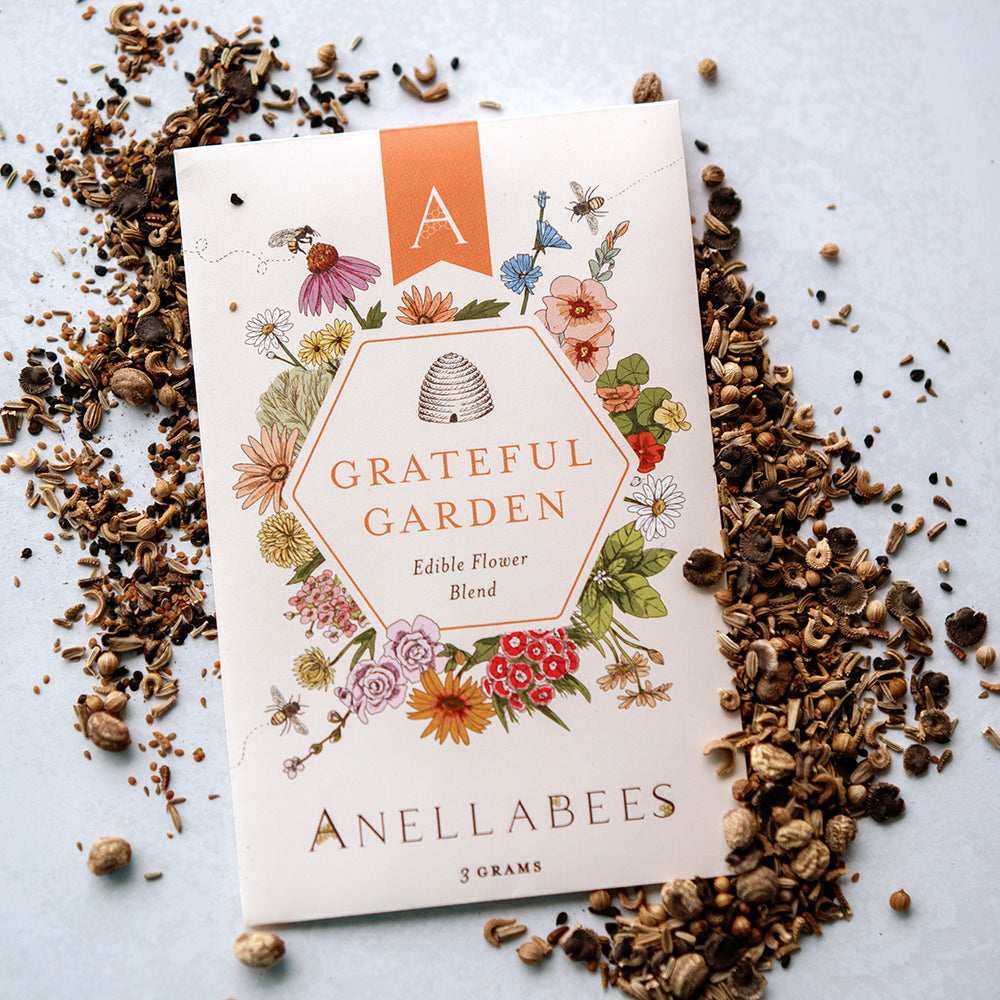
edible flower mix seeds Anellabees Wildflower Seed Mix for Sustainable GardeningTransform your garden into an edible paradise for both you and pollinators! This stunning seed blend produces a gorgeous array of edible flowers and herbs with flavors ranging from peppery and spicy to sweet and floral. Every bloom is both beautiful to look at AND delicious to eat, making this the ultimate dual purpose garden. Use the colorful petals to elevate your cocktails, garnish cakes, add flair to salads, and impress dinner guests, all while
Transform your garden into an edible paradise for both you and pollinators! This stunning seed blend produces a gorgeous array of edible flowers and herbs with flavors ranging from peppery and spicy to sweet and floral. Every bloom is both beautiful to look at AND delicious to eat, making this the ultimate dual-purpose garden. Use the colorful petals to elevate your cocktails, garnish cakes, add flair to salads, and impress dinner guests, all while providing vital nectar and pollen for bees, butterflies, and beneficial insects.
What's in This Edible Flower & Herb Mix:
This carefully curated blend typically includes a diverse selection of culinary favorites. While the exact mix may vary, expect to find varieties such as:
Nasturtiums (Tropaeolum majus):
- Vibrant orange, yellow, and red blooms
- Peppery, watercress-like flavor (both flowers and leaves edible)
- Climbing or trailing varieties add vertical interest
- Use: Salads, sandwich garnish, stuffed with cream cheese, pesto
Calendula (Pot Marigold):
- Bright golden-orange daisy-like flowers
- Mild, slightly peppery flavor with saffron notes
- Petals add beautiful color to rice and baked goods
- Use: Salad topper, infused oils, rice dishes, soups, tea
Borage:
- Star-shaped blue flowers with cucumber flavor
- Both flowers and young leaves are edible
- Self-seeds readily for continuous blooms
- Use: Frozen in ice cubes, cocktail garnish, salads, lemonade
Chamomile:
- Small white daisy flowers with yellow centers
- Sweet, apple-like aroma and flavor
- Calming herbal tea properties
- Use: Tea, dessert garnish, honey infusions, aromatherapy
Violas & Johnny Jump-Ups:
- Delicate purple, yellow, and white edible pansies
- Mild, slightly sweet flavor
- Perfect size for decorating
- Use: Cake decoration, candied flowers, salad garnish, frozen in ice
Bachelor's Buttons (Cornflower):
- Brilliant blue, pink, or white flowers
- Mild, slightly sweet, clove-like flavor
- Edible petals (remove bitter base)
- Use: Salad topper, tea, candied petals, cocktail garnish
Dill:
- Feathery foliage and yellow umbel flowers
- Both leaves and flowers are edible
- Classic herb flavor, slightly sweeter flowers
- Use: Pickling, fish dishes, potato salad, herb butter
Why This Mix is Special:
Farm to Table in Your Backyard:
- Grow gorgeous, gourmet ingredients steps from your kitchen
- Save money on expensive specialty garnishes
- Know exactly what goes on your food (pesticide-free!)
- Impress guests with homegrown edible flowers
- Elevate everyday meals to restaurant-quality presentations
Flavor Profiles to Explore:
- Peppery & Spicy: Nasturtiums
- Mild & Sweet: Violas, bachelor's buttons
- Cucumber-Fresh: Borage
- Apple-Sweet: Chamomile
- Herbaceous: Dill flowers
- Slightly Peppery: Calendula
Pollinator Paradise:
- Attracts bees, butterflies, hummingbirds, and beneficial insects
- Provides abundant nectar and pollen all season
- Creates biodiversity in your garden
- Supports healthy thriving ecosystem balance
- Natural pest control (beneficial insects eat garden pests)
Perfect For: Edible landscaping, kitchen gardens, culinary adventures, cocktail enthusiasts, home bakers, salad gardens, pollinator gardens, teaching kids about edible plants, farm-to-table cooking, Instagram-worthy food presentations, organic gardening, small-space gardens, container gardens.
Culinary Uses & Inspiration:
Cocktails & Beverages:
- Freeze individual blooms in ice cubes for stunning drinks
- Float fresh flowers on cocktails, lemonade, punch
- Muddle nasturtium petals into gin cocktails
- Brew chamomile tea fresh from the garden
- Create infused syrups and cordials
Salads & Savory Dishes:
- Toss whole flowers into green salads
- Use nasturtium leaves like arugula
- Garnish soups with calendula petals
- Top deviled eggs with viola petals
- Stuff nasturtium flowers with herbed cheese
Desserts & Baking:
- Decorate cakes and cupcakes with fresh violas
- Make candied flowers for elegant garnishes
- Press flowers into sugar cookies before baking
- Float blooms on puddings and mousses
- Create edible flower confetti for desserts
Compound Butters & Spreads:
- Mix calendula petals into softened butter
- Create nasturtium cream cheese
- Make herb butter with dill flowers
- Infuse honey with chamomile flowers
Growing Tips:
- Direct sow outdoors after last frost or start indoors 4-6 weeks early
- Most varieties prefer full sun (6+ hours daily)
- Well-drained soil, average fertility
- Space according to packet instructions (varies by variety)
- Water regularly but don't overwater
- Deadhead spent blooms to encourage more flowers
- USDA hardiness zones 2-11 (most are annuals; some reseed)
Harvesting Edible Flowers:
- Pick flowers in the morning after dew dries
- Choose blooms at their peak (fully open, fresh-looking)
- Gently rinse and pat dry before using
- Remove pistils and stamens from larger flowers if desired
- Use fresh for best flavor (most don't store well)
- Harvest regularly to encourage more blooms
Safety & Preparation:
- Only eat flowers you've grown yourself or know are untreated
- Never use flowers from florists (often treated with chemicals)
- Introduce one variety at a time if you have food sensitivities
- Remove flower bases, stems, and sepals (often bitter)
- Wash gently before consuming
- Not all flowers are edible—only eat varieties in this mix
Container Garden Friendly:
- Perfect for patio pots, window boxes, and balcony gardens
- Many varieties trail beautifully over container edges
- Mix with herbs like basil and parsley for edible container gardens
- Use 12-16 inch containers for best results
Educational Value:
- Teaches kids which flowers are safe to eat
- Demonstrates connection between gardens and food
- Encourages adventurous eating and trying new flavors
- Shows how pollinators help create food
- Great for school gardens and family projects
Storage Instructions: Store seeds in a cool, dry place away from direct sunlight and high humidity. Ideal storage temperature is between 32-41°F. Properly stored seeds remain viable for 2-4 years depending on variety.
Gift-Ready Packaging: Beautiful seed packet makes a perfect gift for foodies, home chefs, cocktail enthusiasts, bakers, gardeners, sustainable living advocates, Mother's Day, housewarming gifts, wedding favors, or anyone interested in edible landscaping and farm-to-table cooking.
Complete Your Edible Garden: Pair this mix with our Herb & Edible Seed Collection (6-pack) for even more culinary varieties, try our Pollinator Garden Seed Collection (12-pack) for maximum garden diversity, or browse our complete Garden Seeds Collection for more options.
Shipping Notes
- Free Standard Shipping on $100+ Orders to the USA.
- Except Preorder products are shipped in 48 hours.
- Delivery to the USA:
- Standard Shipping : 3-10 business days
- If time is of the essence, please consider selecting expedited delivery for faster service.
Exchange/Return Notes
- We offer a 30-day return/exchange service after receiving.
- Final sale items are not eligible for returns or exchanges.
- To process your return/exchange, please contact us at [email protected]
- Please click here for more details>>> Return & Exchange Policy