SKU: 34907592572
philodendron dean mcdowell for sale

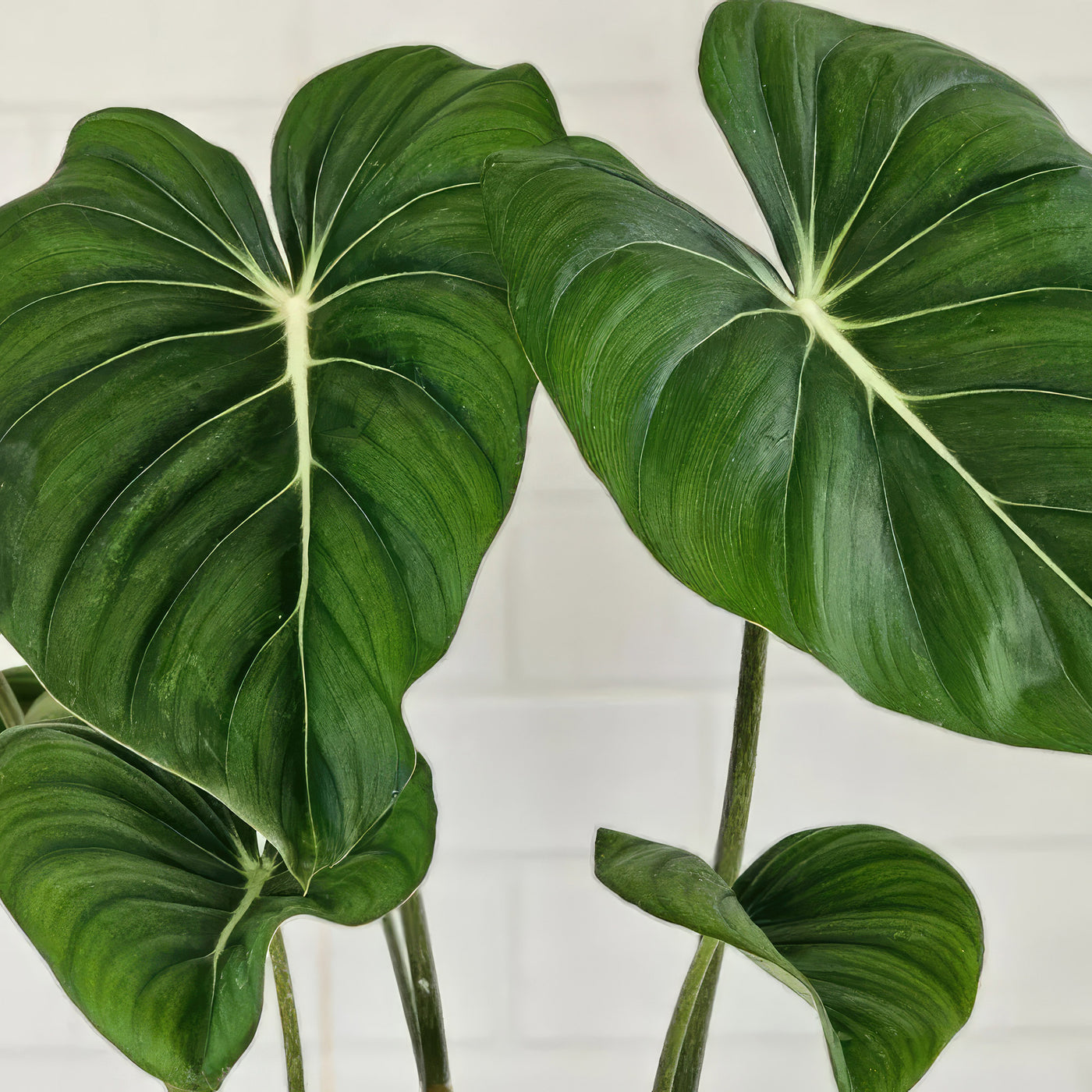
philodendron dean mcdowell for sale Philodendron ‘Mcdowell’

Sale price$23.65 Regular price$26.28
Save 10%

Pay in installments of $6.57 with ShopPay, AfterPay and Klarna

Shipping Estimate
USA
  • USA
  • CAN

Ships within 48 hours · Estimated delivery Oct 26 - Oct 31

Promo Codes Available:

For Your Every Summer RSVP, with Code: SUMMER15

Description

philodendron dean mcdowell for sale Philodendron ‘Mcdowell’The Philodendron Mcdowell is a crawling, drought tolerant plant that has lush, heart shaped leaves and a velvet like texture. This tropical plant is well known among collectors and indoor plant enthusiasts, and it is the ideal combination of easy care and captivating beauty. This crawling hybrid is a cross between Philodendron gloriosum and Philodendron pastazanum. This unique origin gives McDowell its natural adaptability to warm and humid

The Philodendron ‘Mcdowell’ is a crawling, drought-tolerant plant that has lush, heart-shaped leaves and a velvet-like texture. This tropical plant is well-known among collectors and indoor plant enthusiasts, and it is the ideal combination of easy care and captivating beauty.  

This crawling hybrid is a cross between Philodendron gloriosum and Philodendron pastazanum. This unique origin gives ‘McDowell’ its natural adaptability to warm and humid environments, as well as being tolerant to low light; which mimics the shaded conditions of tropical forest floors.

The standout feature of the Mcdowell Philodendron plant is undoubtedly its massive, heart-shaped leaves, which can reach up to 2 feet in length when grown in ideal conditions.

These leaves have a deep green hue with prominent, white-veined patterns, and their texture resembles a velvety fabric, giving the plant an exceptionally tactile allure.

It is a terrestrial grower, which means it typically crawls along the soil rather than climbing, making it ideal for low, wide pots. 

Though it rarely blooms indoors, the Philodendron 'Mcdowell' plant can produce tiny, spathe-like flowers. These blooms are not as showy as the plant's foliage and often go unnoticed, but they do emit a subtle fragrance. Flowering may occur if the plant is grown outdoors in a tropical climate or in a greenhouse that replicates its native conditions. 

As an indoor plant, Philodendron ‘Mcdowell’ not only enhances the aesthetic of a space with its dramatic foliage, but it also helps purify the air by absorbing pollutants. Like other philodendrons, it plays a role in removing toxins, making it an excellent choice for improving indoor air quality. Its lush, tropical appearance adds a sense of tranquility and vibrant greenery to any interior setting.

When and How to Water Philodendron ‘Mcdowell’

Like other drought-tolerant plants, the Philodendron McDowell can handle some neglect when it comes to watering. It is important to allow the soil to dry out between waterings to prevent root rot. Overwatering can be more harmful than underwatering for this plant.  

In the spring and summer, during the growing season, you want to keep the soil slightly moist but not waterlogged. A good rule of thumb is to water it when the top inch of the soil feels dry to the touch. You can water it thoroughly typically for 1-2 weeks, allowing excess water to drain out of the pot to prevent root rot. 

In the fall and winter, during the dormant season, the McDowell Philodendron plant doesn't need as much water. You should reduce the frequency of watering to once a week. It's essential to adjust your watering schedule based on the plant's needs and the environmental conditions. Overwatering can be more harmful than underwatering for this plant, so it's better to err on the side of slightly underwatering than overdoing it. Just keep an eye on the moisture and adjust accordingly to keep your Philodendron happy and healthy!

Light Requirements – Where to Place Your Philodendron Plant 

When grown indoors, it does well in bright, indirect light for at least 4-6 hours a day. You can place it near a window where it can get filtered sunlight or even a few feet away from a window with bright, indirect light.

Just avoid placing it in direct sunlight as that can scorch its leaves. If you notice the leaves turning yellow or brown, it might be getting too much light. 

For outdoor cultivation, Philodendron McDowell can still do well in bright, indirect light. It's best to place it in a spot where it gets filtered sunlight or dappled shade.

If you're in a region with intense sunlight, make sure to protect it from direct sun exposure, especially during the hottest parts of the day.

Remember, the key is to provide it with the right balance of light – not too dim and not too bright. 

Optimal Soil & Fertilizer Needs 

When it comes to soil for your Philodendron McDowell, it thrives in a well-draining potting mix. This type of soil allows excess water to drain away, preventing waterlogging, which can lead to root rot. You can also consider adding some orchid bark or charcoal to the mix to enhance aeration and drainage, promoting healthy root growth. Planet Desert specialized potting soil, opens in a new tabGo to soil cactus mix blend 1 gal 4 qt cacti succulent dirt compost growing media that includes an organic substrate with mycorrhizae to help with the growth of a healthy root system to help your succulents thrive. 

Your Philodendron McDowell doesn't require a lot of feeding. During the growing season in spring, you can fertilize it with a balanced NPK fertilizer diluted to half strength. Feed the plant once a year to provide it with the necessary nutrients for healthy growth. During the dormant season in fall and winter, you can reduce or stop fertilizing altogether since the plant's growth slows down during this time. Always remember to follow the instructions on the fertilizer package to avoid overfeeding, which can harm the plant. With the right soil mix and proper fertilization, your Philodendron plant will continue to thrive and grace your space with its lush green foliage.

Hardiness Zones & More 

When grown indoors, with bright, indirect light keep the temperature between 65-80°F during the day and no lower than 60°F at night. Avoid placing it near drafty windows or doors as sudden temperature drops can stress the plant. Maintaining a stable temperature will help your Philodendron thrive and remain healthy indoors. 

For outdoor planting, the Philodendron McDowell is suitable for USDA hardiness zones 10-11. These zones typically have milder winters with temperatures above 30°F.

If you live in a colder climate, you can still grow it outdoors during the warmer months and bring it inside before the temperatures drop. This plant thrives in temperatures above 50°F and doesn't tolerate frost well. 

The Philodendron plants enjoy moderate to high humidity levels. Indoors, you can increase humidity by misting the plant regularly, using a humidifier, or placing a tray of water near the plant. Outdoors in humid regions, the plant will naturally benefit from the ambient moisture in the air. 

Wildlife – Philodendron Mcdowell Attracts the Following Friendly Pollinators 

The Philodendron McDowell is known to attract pollinators such as bees, hummingbirds, and butterflies with its unique flowers. These pollinators are drawn to the plant's nectar and can help facilitate the pollination process, leading to the production of seeds. By attracting these pollinators, the Philodendron McDowell contributes to the ecosystem's biodiversity and promotes plant reproduction. 

Butterflies
Bees
Hummingbirds
Lady Bugs
Multi Pollinators
Other Birds

Philodendron McDowell is mildly toxic to pets and humans, causing symptoms such as irritation and swelling if ingested. It is safe to touch and handle without any adverse effects. However, it is recommended to keep this plant out of reach of pets and children to prevent accidental ingestion.

How to Propagate Your Philodendron ‘Mcdowell’ 

The Philodendron McDowell can be propagate through stem cuttings. To propagate your plant, you can take a cutting with at least one node (where leaves are attached) and place it in water or directly into a well-draining potting mix. Keep the cutting in a warm and humid environment, and roots should start to develop within a few weeks. Once the roots are established, you can transplant the cutting into a larger pot with soil and continue to care for it as you would a mature plant. This method of propagation is relatively straightforward and can help you expand your Philodendron collection. 

Key Takeaways

  1. This Philodendron is a hybrid created by John Banta, a cross between Philodendron gloriosum and Philodendron pastazanum. It inherits the striking heart-shaped leaves and velvety texture from its parent plants.
  2. The Philodendron 'Mcdowell' is a crawler rather than a climber, unlike vining Philodendrons, which grow upward with support.
  3. The extremely large, heart-shaped leaves are velvety with prominent white veins, making it a popular choice among collectors. Young leaves often emerge with a pinkish hue before maturing into a deep green.
  4. As a crawler rather than a climber, Mcdowell grows horizontally across the soil, requiring a wide pot or ground space to thrive.
  5. This Philodendron plant is known for its air-purifying qualities, making it a popular choice for indoor spaces.

The Bottom Line 

Overall, the Philodendron ‘Mcdowell’ is a stunning hybrid known for its large, heart-shaped, velvety leaves with distinct white veins that give it a bold, tropical appearance. As a crawling variety, it grows horizontally, spreading across the soil, which makes it ideal for wide containers or as a ground cover in tropical gardens. This plant thrives in bright, indirect light and requires consistently moist but well-drained soil. It’s essential to let the top inch dry out between waterings to prevent root rot. High humidity (around 60-80%) and warm temperatures between 65-80°F are ideal for its growth, making it a great indoor plant, especially when a humidifier is available in drier environments. With proper care and attention, Philodendron ‘Mcdowell’ brings lush, green beauty to any space and rewards growers with its impressive, luxurious foliage. Order your very own Philodendron ‘Mcdowell’ for sale today! 

Shipping Notes
  • Free Standard Shipping on $100+ Orders to the USA.
  • Except Preorder products are shipped in 48 hours.
  • Delivery to the USA:
  1. Standard Shipping : 3-10 business days
  • If time is of the essence, please consider selecting expedited delivery for faster service.
Exchange/Return Notes
  • We offer a 30-day return/exchange service after receiving.
  • Final sale items are not eligible for returns or exchanges.
  • To process your return/exchange, please contact us at [email protected]
  • Please click here for more details>>> Return & Exchange Policy
SKU: 34907592572

Discover Niche Categories That Outsell philodendron dean mcdowell for sale

Top-Converting Item to Boost Your Average Order

4.4 ★★★★★
Based on 29 reviews
Sort
Highest Rating
Newest First
Oldest First
Product Reviews
M
Verified Purchase
Michelle Barcus
Battle Creek, US
★★★★★ 5
Very well built
Color: White
Yes it was really nice my granddaughter love's the jewelery box
WAS THIS REVIEW HELPFUL?YesReportShare
Reviewed in the United States on November 18, 2025
B
BlueTeej
Massapequa, US
★★★★★ 4
Lots of storage space, great mirrors, has paint scent
Color: White
You can store a lot in this! There are a lot of good things to say about this. It's cute, has tons of mirror space and room to store jewelry, seems pretty sturdy as far as the wood parts go, and could also be used as Barbie furniture for a girl with a little imagination--a perfect armoire! It's the perfect height for a Barbie doll. So, there is space for non-dangly earrings to be placed in holes, a section under that for necklaces or bigger earrings, four small spots on top for necklaces or other chains, a larger section there, five drawers, four long necklace spots to hang them with catch sections underneath, and a space for a lot of rings. There are also eight hangers for short chains or earrings. Quality wise, it is decent, but maybe not fantastic. Most of the wood aspects seem strong and built well, except the part that stores rings comes out completely and can be a tiny bit of a challenge to put back in a way that it fits right. The cardboard inserts are a little flimsy. I think if a child used this and pulled down on one of the necklace holders, it might not spring back into place, and then would be useless after that. The cardboard insert on the top for the stud earrings also seems like it will get misshapen pretty easily. The biggest negative, and is one I am not sure I can get beyond, but time will tell, is the strong paint odor of it. It smells like a bedroom smells immediately after it gets painted--that kind of smell that tells you perhaps you should sleep somewhere else for a night. That smell fades, though. I hope this smell also fades because it seems too strong to give to a child, and this is advertised as for a woman or girl (which I assume is a child.) So, size wise and usage is generally good for this. If the paint smell fades, I will be fully satisfied with it.
WAS THIS REVIEW HELPFUL?YesReportShare
Reviewed in the United States on October 18, 2025
K
Kirsten
Dallas, US
★★★★★ 5
Holds a decent amount of jewelry!
Color: Carbonized Brown, Color: Carbonized Brown
I was quite impressed with this little jewelry box. Although it is on the smaller side, it utilizes every bit of the storage space available really well. I’d ultimately love to get a bigger armoire- as it is, this jewelry box contains what I wear most often, but I have a larger collection than this particular jewelry box can hold- my plan is to find a larger jewelry armoire that resembles what my mother had because I loved that one and then passed this one down to my daughter who loves it. For its size, it does absolutely hold a lot. I definitely underestimated how much it would hold. I love that there are drawers and well. I would love to see the ring area hinged so that I don’t have to reposition it when I’m done grabbing my rings, I think it’s a really cool, unique way to approach that particular area. I love that every little bit at this jewelry box is designed to have utility. I hate wasting space and time and I love good organization so it’s been really nice being able to pack as much as I can in there. The top opens up to space for earrings and other miscellaneous items. There are both open and more structured components. And the space for bracelets rotates, which is really nice- I didn’t realize that it rotated and I was a little bit worried that I was gonna constantly knock things down while I was reaching through or something. There is lots of room inside both doors for necklaces, and it fits a lot more than I thought it would. The wood stain is a really pretty kind of ashy natural stain- the sort of grey tint is really nice and it’s gorgeous. I’m not a huge fan of mirrors as far as the front goes, but I do have an artist in house who is really good at coming up with stuff for this, just a little ways to put art in your every day, so I’ll probably have her paint over. The jewelry box also doesn’t take much space up at all. While I am looking for something with a little bit larger footprint, I don’t necessarily want to waste a bunch of real estate in the meantime so I’m really pleased with how compact it is. This is a great little jewelry box - as I mentioned it doesn’t house all of my jewelry, but that’s because my collection is mostly heirloom and I don’t want to take it out from where it is right now. If it were larger, I would probably do so but for now it just houses my everyday items and a little bit extra. I think it’s great and I’m super happy with it!
WAS THIS REVIEW HELPFUL?YesReportShare
Reviewed in the United States on March 17, 2026
X
Verified Purchase
0x00000000:00000000
New York, US
★★★★★ 5
Excellent book, possibly currently unique in coverage of latest ideas
This book is possibly currently unique in its coverage of the latest ideas in the field of deep learning -- and it is a very convenient and good survey of fundamental concepts (linear algebra, optimization, performance metrics, activation function types), different network types (multi-layer perceptron, convolutional neural networks, and recurrent neural networks), practical considerations (data set, training and validation, implementation), and applications (comments on existing real-world/commercial uses). The final 235 pages of the content portion of the book is dedicated to topics in "Deep Learning Research", and these topics are truly at the current frontier. Another reviewer said that one could gain the same knowledge of cutting-edge research by reading all of the latest papers (from academia and industry), but the "research" section of this book offers the following: Selection of the most notable research by the very experienced authors of the book, and collection of similar research in to a broader discussion of themes, and the additional insights. The book covers very advanced and new ideas currently being explored, and it is very nice to be able to have a consistent and coherent presentation of all of those ideas. However, the book is also packed with valuable observations and pointers about more basic aspects of deep learning implementations and practices -- and such commentary is in depth and includes substantial analysis and mathematical derivation (in an intuitive presentation that often includes graphs illustrating the phenomenon). As someone with an intermediate level of knowledge and experience of neural networks, I am really grateful for this book, because seems like the ideal resource for learning cutting-edge ideas and practices, with context. The book has excellent scope and depth, and I am confident that anyone with a solid background in linear algebra, calculus, statistics, and general machine learning, and basic neural networks (multi-layer perceptrons) will find this book to be very exciting and perhaps unique in its ability to take the reader to the next level and a new frontier. I was personally excited to learn about the idea of representing the dependencies of intermediate quantities by directed graphs, and how this can be used to perform calculations for recurrent neural networks efficiently. And I think the long chapter on recurrent neural networks is very helpful. Having said all of this, I think only people with significant working knowledge and experience with neural networks and mathematics -- people whose academic or professional focus has been neural networks for at least a year or two -- would benefit from this book. This book answers a lot of the deeper questions that one is likely to have while developing a solid understanding of the fundamentals, and that's one of the book's tremendous values, but this book assumes an understanding of the fundamentals (but does briskly cover the basics). I think this book is a perfect follow-up book for the excellent book "Neural Network Design (2nd edition)" by Hagan, Demuth, Beale, and de Jesus, and I highly recommend the latter for gaining the solid background needed to have a thrilling experience with the "Deep Learning" book. In summary, I am very glad this "Deep Learning" book was written, and I think the "Deep Learning" book will be a great benefit to a lot of people, and to the evolution of the field.
WAS THIS REVIEW HELPFUL?YesReportShare
Reviewed in the United States on April 18, 2017
Z
Verified Purchase
Zygerian99
Chelsea, US
★★★★★ 5
The definitive guide to becoming a researcher in the field
Format: Hardcover
This is not a coding book. I see a lot of negative reviews around the expectation that this book would teach the reader how to quickly build machine learning systems and write code. This book is not for that audience. If you just want to build applications, don't worry about how deep learning works. It's akin to needing to understand how an engine works just to drive a car. If you are looking for a coding resource, try: https://www.amazon.com/Hands-Machine-Learning-Scikit-Learn-TensorFlow/dp/1492032646/ref=sr_1_4?keywords=machine+learning+tensorflow&qid=1579608765&sr=8-4 . And even with that book, the material still goes far beyond what you need - use it as a light reference. I bought this book as an aspiring machine learning researcher, and towards that end, it is the best resource available in print (still true as of 2020). For instance: The first 5 chapters are timeless. These are things that were mostly established 20 or 30 years ago and beyond and are mostly STEM fundamentals at this point. There are whole textbooks dedicated to each of those chapters, but the authors provide a quick refresher and overview of probably 80% of what you'll encounter in deep learning. If you haven't previously learned each of these subtopics, you'll probably want to study them individually since they are the key to innovating (linear algebra, probability & stats, numerical computation, machine learning fundamentals). Chapters 6 thru 9 are the foundation of deep learning. We're about 12 years into seeing rapid change in the deep learning space, yet all of these principles and techniques still hold (many recent innovations are still relying on Convolutional models in 2020, which is the most layered/complex topics in those chapters). Therefore, I'd wager that these chapters are also fairly stable knowledge that is worth internalizing if you want to be deeply involved in the future of machine learning. Chapters after 9 are mostly experimental topics, and many of them are already the wrong strategies for optimal results. But there are interesting ideas in here that you'll often encounter in the wild, so it's good exposure to various topics. But probably not worth much of your time. And lastly, there is good history in here from people who know the space intimately. It's a good way to piece together the developments and learn the lexicon of deep learning so you can have intelligent conversation with experts.
WAS THIS REVIEW HELPFUL?YesReportShare
Reviewed in the United States on January 21, 2020

recommand products