Pay in installments of $5.04 with
 ,
,
 and
and

Shipping Estimate
USA
- USA
- CAN
- USA
- CAN
Ships within 48 hours · Estimated delivery Oct 21 - Oct 26
 Promo Codes Available:
For Your Every Summer RSVP, with Code: SUMMER15
Description
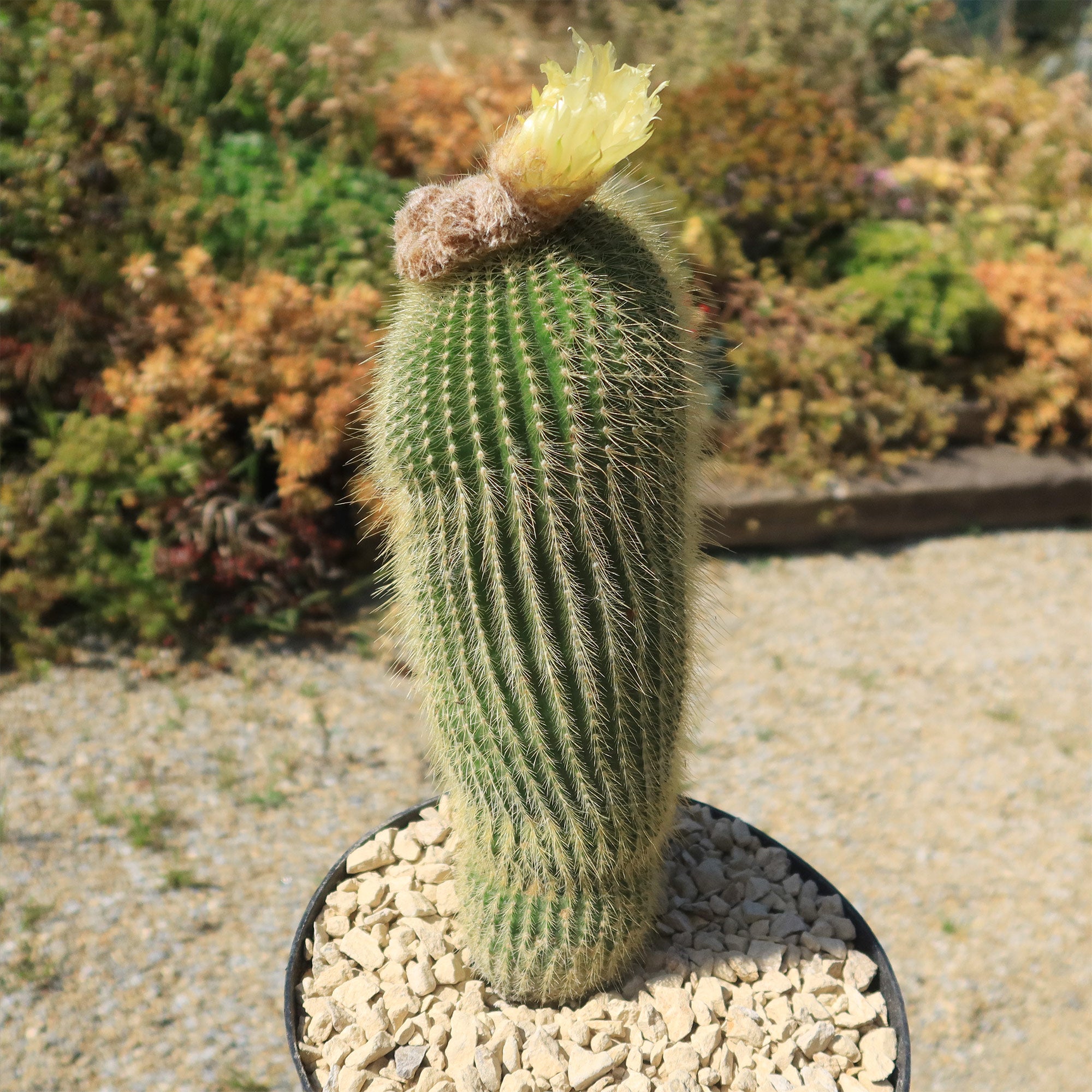
types of parodia cactus Lemon Ball Cactus ‘Parodia leninghausii’ 1 GalIntroducing the Parodia leninghausii, known as the Lemon Ball Cactus, which is a delightful cactus species that belongs to the Parodia, opens in a new tab genus. Native to Southern Brazil, it has gained popularity among cactus enthusiasts for its striking appearance and relatively easy care requirements. The Parodia leninghausii has several other common names such as golden ball cactus, yellow tower cactus, or Notocactus leninghausii. It gets its name
Introducing the Parodia leninghausii, known as the Lemon Ball Cactus, which is a delightful cactus species that belongs to the Parodia, opens in a new tab genus. Native to Southern Brazil, it has gained popularity among cactus enthusiasts for its striking appearance and relatively easy-care requirements.
The Parodia leninghausii has several other common names such as golden ball cactus, yellow tower cactus, or Notocactus leninghausii. It gets its name because of its round, lemon-like shape. It grows at an extremely fast pace and is known to be an easy-to-grow small-ball succulent.
The Parodia leninghausii can grow up to 4 feet tall and 5 inches wide.
Its bright green stem is covered in distinctive harmless golden spines that give it a vibrant and cheerful look.
Clustering from the base, it is globular at first but becomes a columnar cactus with age.
The flowers of the golden ball cactus bloom in the spring and early summer, with stunning yellow flowers that contrast beautifully with its green body.
These silky yellow flowers emerge from the top of the cactus and add a pop of color to its overall appearance. The blooms are relatively large compared to the size of the cactus, creating a striking visual display.
The propagation of the Lemon Ball Cactus can be achieved through methods such as seed propagation or offsets. When propagating from offsets, simply remove the offsets from the base of the mature plant and allow them to callus before planting them in a well-draining soil mix. For seed propagation, sow the seeds in a cactus-specific soil mix and provide them with the right conditions for germination, including warmth and adequate moisture.
Watering Needs
When watering your Parodia leninghausii, it's essential to allow the soil to dry out completely between waterings. Overwatering can be detrimental to the plant, so it's crucial to follow a "soak and dry" method. This means thoroughly watering the plant until water drains out of the bottom of the pot and then waiting until the soil is completely dry before watering again.
In the spring and summer, during the active growing season, you can water the Lemon Ball Cactus more frequently, about once every 1-2 weeks, depending on the temperature and humidity levels in your area.
In contrast, in the fall and winter, during the dormant period, you should reduce watering to once every 3-4 weeks or even less, as the cactus requires less water when it's not actively growing. It's also essential to adjust your watering schedule based on the specific conditions of your garden, such as the type of soil, pot size, and amount of sunlight the cactus receives.
By following these watering guidelines, you can help your Parodia leninghausii Lemon Ball Cactus thrive and maintain its unique beauty in your garden.
Light Requirements
When grown indoors, it is essential to place the cactus in a location that receives plenty of bright, indirect sunlight. A south or west-facing window is ideal for indoor Lemon Ball Cacti as they thrive in bright light conditions. If natural light is limited, you can supplement it with a grow light to provide the necessary light intensity for the cactus. When transitioning your Lemon Ball Cactus outdoors, it's crucial to acclimate it gradually to prevent sunburn. Place the cactus in a location where it receives partial sunlight to start, gradually increasing the exposure to full sunlight over a few weeks.
For outdoor cultivation, your Lemon Ball Cacti thrive in full sun to partial shade for at least 6-8 hours daily for optimal growth. Ensure that the outdoor location has well-draining soil to prevent waterlogging, as excess moisture can be harmful to the cactus.
By understanding and providing the appropriate light requirements for your Parodia leninghausii Lemon Ball Cactus, both indoors and outdoors, you can help it thrive and maintain its unique appearance in your garden or home.
Optimal Soil & Fertilizer Needs
The Parodia leninghausii prefers very airy, porous, nutrient-rich soil with a pH of 6.1- 6.7. Cacti require well-drained soil that dries completely between waterings. Planting them in ordinary soil will result in compacted roots, stunted growth, and most likely root rot.
Instead, make or buy a well-draining potting mix, or ideally use our specialized cactus potting mix, opens in a new tab that contains 5 natural substrates and mycorrhizae to promote the development of a strong root system that helps your Parodia cactus to thrive. As an alternative, you can create your own potting mix, opens in a new tab by combining equal portions of perlite, coarse sand, and good natural potting soil.
When it comes to fertilizing your ball cactus, you can fertilize it with a diluted, balanced (5-10-5) cactus NPK fertilizer once a year in the spring. It's essential not to over-fertilize, as this can harm the plant. During the fall and winter months, when the cactus is dormant, you should refrain from fertilizing to allow the plant to rest. Always follow the instructions on the fertilizer package and dilute it to half or quarter strength to avoid nutrient buildup in the soil.
Hardiness Zone & More
When growing indoors, this Parodia leninghausii cactus generally thrives in temperatures between 65-80°F during the day and prefers slightly cooler temperatures at night. It can tolerate lower temperatures during its dormant period in the fall and winter but should be protected from frost. The Lemon Ball Cacti are adapted to low humidity levels typical of indoor environments, making them well-suited for indoor conditions.
For outdoor cultivation, your Parodia leninghausii lemon ball cactus is typically hardy in USDA hardiness zones 9-11, which means it can tolerate temperatures down to 20°F. Outdoor Lemon Ball Cacti thrive in hot and dry conditions, so it's important to plant them in well-draining soil and provide adequate airflow to prevent humidity-related issues like rot.
Ensure that the outdoor location offers protection from excessive rain and frost to avoid damage to the cactus, as it is not frost-tolerant.
Final Thoughts
Overall, the Parodia leninghausii Lemon Ball Cactus is a charming cactus species native to South America, known for its round, lemon-like shape, golden spines, and striking yellow flowers. This cactus species typically reaches a mature size of about 4 feet tall and 5 inches wide.
When caring for the Lemon Ball Cactus, provide it with plenty of sunlight, well-draining soil, and infrequent watering to thrive. With its unique features and relatively easy-care requirements, the Lemon Ball Cactus is a delightful addition to any cactus lover's collection.
Shipping Notes
- Free Standard Shipping on $100+ Orders to the USA.
- Except Preorder products are shipped in 48 hours.
- Delivery to the USA:
- Standard Shipping : 3-10 business days
- If time is of the essence, please consider selecting expedited delivery for faster service.
Exchange/Return Notes
- We offer a 30-day return/exchange service after receiving.
- Final sale items are not eligible for returns or exchanges.
- To process your return/exchange, please contact us at [email protected]
- Please click here for more details>>> Return & Exchange Policy