Pay in installments of $5.27 with
 ,
,
 and
and

Shipping Estimate
USA
- USA
- CAN
- USA
- CAN
Ships within 48 hours · Estimated delivery Jul 21 - Jul 26
 Promo Codes Available:
For Your Every Summer RSVP, with Code: SUMMER15
Description
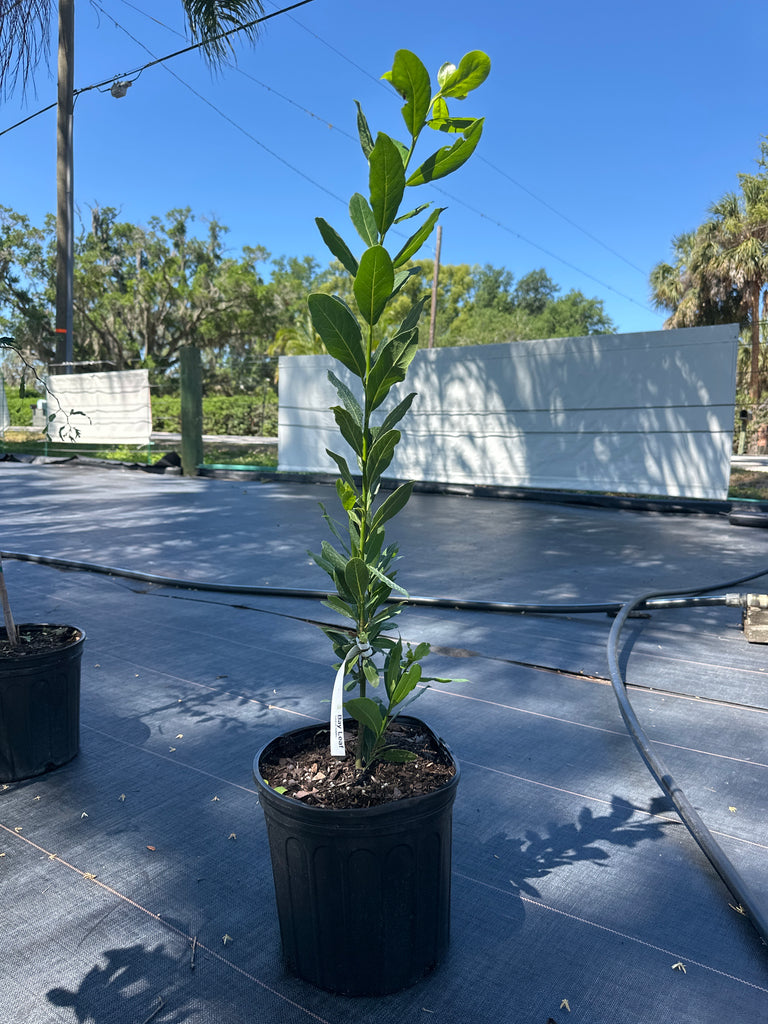
bay leaf potted plant Bay Leaf Tree — Jolly Green NurseryBay Leaf Tree (Laurus nobilis) Overview The Bay Leaf Tree (Laurus nobilis), also known as the Sweet Bay or Bay Laurel, is an evergreen shrub or small tree native to the Mediterranean region. This aromatic tree is widely cultivated for its flavorful, fragrant leaves, which are commonly used in cooking and traditional medicine. The leaves of the bay tree, which are leathery and dark green, have a distinctive, slightly bitter flavor with hints of
Bay Leaf Tree (Laurus nobilis) Overview
The Bay Leaf Tree (Laurus nobilis), also known as the Sweet Bay or Bay Laurel, is an evergreen shrub or small tree native to the Mediterranean region. This aromatic tree is widely cultivated for its flavorful, fragrant leaves, which are commonly used in cooking and traditional medicine. The leaves of the bay tree, which are leathery and dark green, have a distinctive, slightly bitter flavor with hints of eucalyptus and a mild, herbal spiciness. When dried, the leaves retain their flavor and are used in stews, soups, sauces, and marinades.
Taste Profile
The taste of bay leaves is subtle yet bold, offering a unique flavor that enhances savory dishes. Fresh bay leaves have a milder flavor than dried ones, with a slightly sweet, aromatic, and pungent taste. The dried leaves, when added to slow-cooked dishes like stews, soups, and braises, release a deeper, more intense herbal flavor. Bay leaves are typically not consumed directly but are used to infuse flavor into food and are removed before serving.
Best Growing Environment
The bay leaf tree thrives in Mediterranean-like climates, characterized by mild, wet winters and hot, dry summers. It grows well in areas that have temperate climates, where temperatures rarely dip below freezing. This tree prefers well-drained, fertile soils and needs plenty of sunshine to produce robust, flavorful leaves. The bay tree is tolerant of drought once established, but it does best in conditions that simulate its native environment, with warm temperatures and minimal rainfall during its growing season.
Common Names
- Bay Leaf Tree
- Sweet Bay
- Bay Laurel
- Laurel Tree
Average Height and Growth Rate
Bay leaf trees are slow-growing but can reach a height of 10 to 20 feet (3 to 6 meters) in their natural habitat. When grown as a shrub or small tree, bay laurel can be pruned to maintain a more compact size, with some varieties growing to about 4 to 6 feet (1.2 to 1.8 meters) tall. The growth rate is moderate, averaging 6 to 12 inches (15 to 30 cm) per year, depending on growing conditions.
Sun Requirements
Bay leaf trees require full sun to thrive. They need at least 6 to 8 hours of direct sunlight per day to promote healthy growth and strong leaf production. If grown indoors, the tree should be placed in a sunny spot, such as near a south-facing window, where it can receive plenty of light. While the bay tree can tolerate partial shade, it may not grow as vigorously or produce as many leaves in low-light conditions.
Cold Hardiness
Bay leaf trees are not frost-tolerant and cannot survive freezing temperatures for extended periods. They are best suited to USDA hardiness zones 8 through 10, where winters are mild. In zones where temperatures occasionally dip below freezing, the tree can be grown in containers and brought indoors during cold spells or winter months. Bay laurel trees are sensitive to frost, and even a light frost can damage or kill young plants, so it's important to protect them in colder climates.
Water Requirements
Bay leaf trees prefer moderate watering and require consistently moist soil that is well-drained. They do not tolerate waterlogging or standing water, so it's important to plant them in soil with good drainage to avoid root rot. During the growing season, water the tree regularly, but allow the top inch or so of soil to dry out between waterings. In the winter, reduce watering as the tree's growth slows down. If grown in pots, ensure the container has adequate drainage and avoid letting the plant sit in water. Bay trees are fairly drought-tolerant once established but will produce the best leaves with regular moisture.
Planting Guide
Bay leaf trees are relatively easy to grow, as long as they are provided with the right conditions. Here's how to plant them successfully:
- Choose a Location: Plant the bay leaf tree in a spot that receives full sunlight for most of the day. If you're growing the tree in a container, choose a large pot with drainage holes.
- Soil Preparation: Bay trees prefer well-drained, slightly acidic to neutral soils (pH 6.0-7.5). Enrich the soil with organic matter like compost to promote healthy growth. If planting in heavy clay soils, consider amending the soil to improve drainage.
- Planting Depth: Dig a hole that is about twice the size of the root ball. Place the tree in the hole, making sure that the top of the root ball is level with the surrounding soil surface.
- Spacing: If planting multiple bay trees, space them 10 to 15 feet (3 to 4.5 meters) apart, as they can spread quite wide with mature growth.
Fertilization Schedule and Recommendations
Bay leaf trees are moderate feeders and generally benefit from regular, balanced fertilization. To support strong growth and vibrant, flavorful leaves, follow this fertilization guide:
- Early Spring (March - April): Apply a balanced, slow-release fertilizer such as a 10-10-10 NPK or organic compost to promote new growth. This should be done before the growing season begins.
- Mid-Summer (June - July): A second round of fertilizing with a balanced liquid fertilizer can be given to encourage continued leaf production and overall tree health. Use a general-purpose liquid fertilizer diluted to half-strength.
- Late Summer/Fall (September - October): In areas with mild winters, a low-nitrogen fertilizer (such as 5-10-10 NPK) can be applied to help the tree prepare for the cooler months and reduce the risk of frost damage.
- Winter (November - February): No fertilization is needed during winter, as the tree’s growth slows considerably in colder months.
It is important not to over-fertilize bay leaf trees, as excessive nitrogen can lead to lush, non-aromatic growth at the expense of flavor and leaf production.
USDA Hardiness Zones
The bay leaf tree is best suited for USDA hardiness zones 8 to 10. In these zones, the tree can thrive year-round with mild winters and hot summers. In colder climates, it is recommended to grow the tree in pots that can be brought indoors during the winter months to protect it from freezing temperatures.
Shipping Notes
- Free Standard Shipping on $100+ Orders to the USA.
- Except Preorder products are shipped in 48 hours.
- Delivery to the USA:
- Standard Shipping : 3-10 business days
- If time is of the essence, please consider selecting expedited delivery for faster service.
Exchange/Return Notes
- We offer a 30-day return/exchange service after receiving.
- Final sale items are not eligible for returns or exchanges.
- To process your return/exchange, please contact us at [email protected]
- Please click here for more details>>> Return & Exchange Policy