Pay in installments of $7.03 with
 ,
 and

Shipping Estimate
USA
- USA
- CAN
- USA
- CAN
Ships within 48 hours · Estimated delivery Oct 25 - Oct 30
 Promo Codes Available:
For Your Every Summer RSVP, with Code: SUMMER15
Description
dracaena marginata magenta care Madagascar Dragon TreeThe Madagascar dragon tree, known as Dracaena marginata Magenta, is a low maintenance, upright houseplant with bold, magenta edged sword like leaves. Its sculptural form and air purifying qualities further enhance its appeal for decor enthusiasts and plant lovers alike. Native to Madagascar, the "Dragon Tree" name comes from the Dracaena genus, known for species that produce red sap resembling "dragons blood", a nod to ancient beliefs and its tree
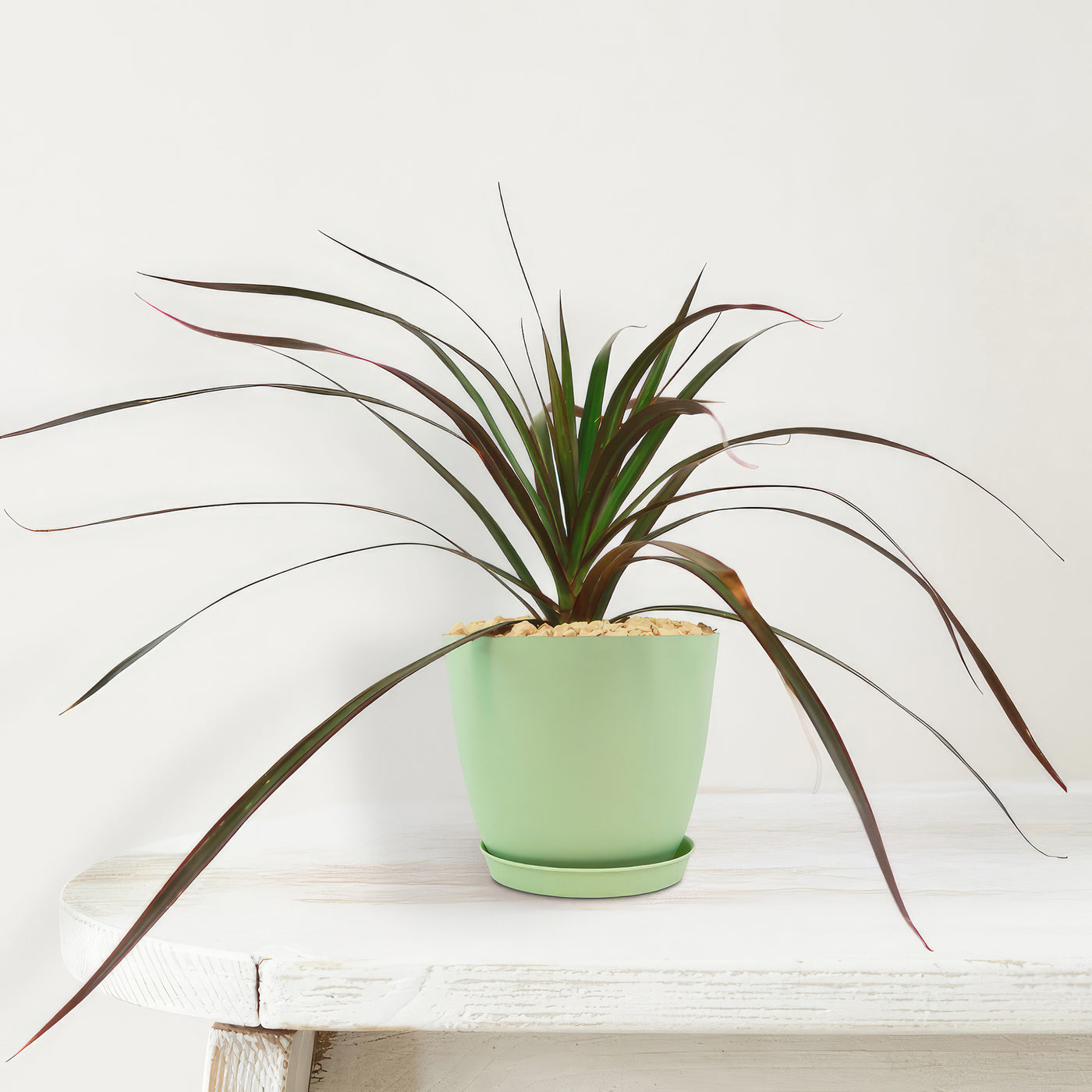
The Madagascar dragon tree, known as Dracaena marginata ‘Magenta’, is a low-maintenance, upright houseplant with bold, magenta-edged sword-like leaves. Its sculptural form and air-purifying qualities further enhance its appeal for decor enthusiasts and plant lovers alike.
Native to Madagascar, the "Dragon Tree" name comes from the Dracaena genus, known for species that produce red sap resembling "dragon’s blood", a nod to ancient beliefs and its tree-like form with dramatic, spiky leaves. The ‘Magenta’ cultivar is especially prized for the bold pink-to-magenta hue along the leaf margins.
At maturity, the popular houseplant Dracaena marginata ‘Magenta’ can grow up to 6 feet tall, though it grows slowly and is easy to maintain at a more compact size through pruning.
Outdoors in tropical zones, it may grow even taller to about 20 feet. Its narrow footprint makes it ideal for tight corners, entryways, or flanking furniture pieces.
This vertical growth habit, combined with vivid leaf coloration, gives the plant a strong architectural presence in any space.
The Madagascar dragon tree blooms in spring with small, fragrant white or pale pink flowers.
These star-like flowers typically appear on long panicles, but flowering is uncommon and often limited to outdoor-grown plants in ideal tropical conditions.
Most indoor growers appreciate this plant for its foliage alone, as the colorful leaves are its main ornamental draw.
A unique aspect of the Madagascar Dragon Tree ‘Magenta’ is its exceptional tolerance to drought and low light, making it one of the most forgiving houseplants. It is also known for its air-purifying abilities, having been studied by NASA as one of the top indoor plants for removing toxins such as benzene, formaldehyde, and trichloroethylene from the air. Its durability and ability to bounce back from neglect make it a favorite for both beginners and experienced plant keepers.
When and How to Water Your Madagascar Dragon Tree
The drought-tolerant plant stores moisture well and prefers infrequent but thorough watering. Allow the top 1–2 inches of soil to dry out completely before rewatering. Overwatering can lead to root rot, while underwatering is rarely fatal due to its hardy nature. Water your Madagascar Dragon Tree deeply every 10–14 days during the growing season and reduce to every 3–4 weeks during dormancy, ensuring the soil dries out between waterings.
From March through September, during the growing season, water every 10 to 14 days with about 1/4 to 1/2 gallon, depending on pot size and indoor conditions. Ensure water drains freely and avoid leaving the pot in standing water. Humidity can slightly increase watering needs, especially in bright indoor spots.
From October through February, during the dormant period, reduce watering to every 3 to 4 weeks, using around 1/4 gallon or less. Monitor the soil's dryness before each watering. Lower temperatures and light levels slow growth, so the plant uses significantly less water.
Light Requirements – Where to Place Your Dracaena marginata
When grown indoors, place your Madagascar Dragon Tree in bright, indirect light for 6–8 hours daily to maintain vibrant foliage and prevent leggy growth.
Bright east or west-facing windows are ideal, but avoid direct harsh sunlight, which may scorch its leaves.
In lower light, it can survive, but growth may slow, and foliage may dull. Artificial grow lights can supplement natural light in darker rooms.
When grown outdoors, provide dappled sunlight or partial shade with 4–6 hours of morning or filtered sun daily.
Protect it from intense afternoon rays to prevent leaf burning.
A shaded patio or under taller plants can work well for outdoor potted plants during warmer months. Too much sun or too little light will affect appearance and growth. Yellowing leaves may signal excess light, while drooping or sparse foliage indicates insufficient light. Rotate the plant regularly indoors to encourage balanced growth.
Optimal Soil & Fertilizer Needs
The Dragon tree prefers a well-drained, loamy or sandy soil with good aeration, and should be fertilized once a year in spring. A high-quality potting mix blended with perlite, bark, or pumice improves drainage and root oxygenation. Instead, make or buy a well-draining potting mix, or ideally use our specialized potting mix, opens in a new tab that contains 5 natural substrates and mycorrhizae to promote the development of a strong root system that helps your dragon plant to thrive.
Fertilize once a year during spring with a diluted balanced NPK fertilizer with an equal ratio of about 5-10-5. Avoid fertilizing in fall and winter. Overfertilization can damage roots or cause leaf tip burn. If repotting, refresh the soil and avoid compacting it around the roots. Choose a container with drainage holes to maintain optimal root health.
Indoor Growing Dragon Tree Requirements
When growing indoors, Madagascar Dragon Trees thrive in warm, humid conditions between 65°F and 80°F with moderate light and consistent care. Maintain humidity above 40%, especially during winter heating. Grouping plants or using a pebble tray can help maintain humidity.
Avoid cold drafts and place the plant near bright windows with filtered sunlight. A location near an east- or west-facing window with sheer curtains is ideal. Harsh direct sun can scorch the leaves, while too little light may cause leggy growth and dull coloration. Rotate the plant every few weeks to encourage even foliage development and prevent it from leaning toward the light source.
Hardiness Zones & More
In the United States, this is mostly an indoor plant, but if you live in southern Florida or Hawaii, then you can cultivate it outdoors in USDA zones 10-12.
In these climates, it can be grown as a landscape feature in shaded patios, protected courtyards, or under tall trees that provide dappled sunlight.
The plant cannot tolerate frost or extended cold, so if you're growing it outdoors in cooler zones, it should be moved indoors or into a greenhouse before temperatures drop below 50°F.
In drier climates, they provide extra humidity or misting. Excessive dryness or exposure to the full sun can cause the leaf edges to brown or the color to fade. Regular watering, especially during hot spells, and occasional feeding during the growing season will help maintain its vibrant magenta-striped foliage.
Wildlife – Dragon Tree Flowers Attract the Following Friendly Pollinators
While not a heavy nectar-producing plant, it can occasionally attract small pollinators like gnats or house flies in humid indoor spaces. Though not a major attractor of wildlife, its presence can complement pollinator-friendly plant groupings in outdoor settings. It typically does not serve as a primary pollinator source.
According to the ASPCA, Dracaena marginata is mildly toxic to cats and dogs. If ingested in a large amount, it can cause vomiting, drooling, and lethargy. It’s best to keep the plant out of reach of pets, particularly curious kittens or puppies. It is not known to be toxic to birds.
How to Propagate Your Dracaena marginata
You can propagate your Madagascar Dragon tree through stem cuttings. Choose a healthy stem, and using sterilized scissors, cut a 4–6-inch segment just below a leaf node. Allow it to dry for a day to prevent rot, then plant the cutting in moist, well-draining soil. Keep it in a warm, bright location with indirect sunlight. Water sparingly until roots develop in about 4–6 weeks. Alternatively, you can root the cutting in water before transplanting it to the soil.
Key Takeaways
- The Madagascar Dragon Tree ‘Magenta’ is a popular houseplant known for its magenta-edged, sword-shaped leaves and architectural appeal.
- The plant is highly drought-tolerant, thriving with minimal watering and making it ideal for low-maintenance indoor care.
- The growth habit is tall and slender, allowing it to reach 6 feet indoors while taking up very little horizontal space.
- The Madagascar Dragon Tree helps purify indoor air, removing harmful toxins like formaldehyde and benzene from your environment.
- The plant can be pruned and shaped easily, whether you prefer a bushy form or a single-stemmed, tree-like silhouette.
The Bottom Line
Overall, the Madagascar Dragon Tree ‘Magenta’ is an easy-care, drought-tolerant plant perfect for beginners and plant lovers alike. With its striking, red-edged foliage and upright growth habit, it makes a bold statement in indoor spaces. It requires only moderate light, infrequent watering, and occasional fertilizing, thriving in warm temperatures and moderate humidity. Ideal for homes and offices, this low-maintenance beauty offers both visual appeal and versatility in containers or grouped arrangements.
Shipping Notes
- Free Standard Shipping on $100+ Orders to the USA.
- Except Preorder products are shipped in 48 hours.
- Delivery to the USA:
- Standard Shipping : 3-10 business days
- If time is of the essence, please consider selecting expedited delivery for faster service.
Exchange/Return Notes
- We offer a 30-day return/exchange service after receiving.
- Final sale items are not eligible for returns or exchanges.
- To process your return/exchange, please contact us at [email protected]
- Please click here for more details>>> Return & Exchange Policy