Pay in installments of $5.53 with
 ,
,
 and
and

Shipping Estimate
USA
- USA
- CAN
- USA
- CAN
Ships within 48 hours · Estimated delivery Jul 21 - Jul 26
 Promo Codes Available:
For Your Every Summer RSVP, with Code: SUMMER15
Description
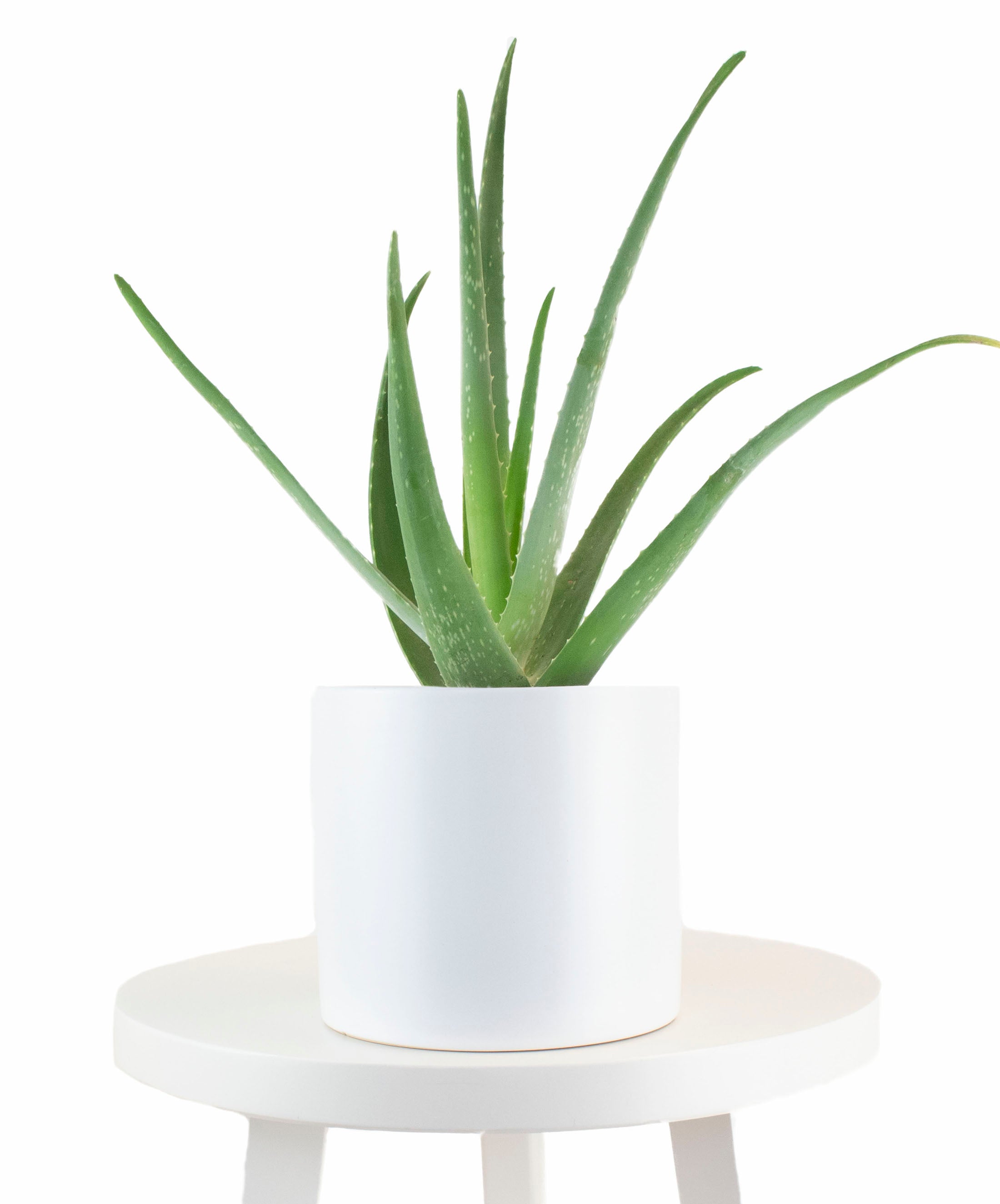
aloe vera plant white pot Aloe Vera House Plant in White Ceramic Cylinder Planter – Shop SucculentsAloe Vera Aloe vera, often referred to as the "wonder plant" or "healing plant," is a versatile and well known succulent celebrated for its numerous health benefits, soothing properties, and ease of cultivation. This remarkable succulent is characterized by its thick, fleshy leaves that contain a gel rich in vitamins, minerals, and antioxidants. Aloe vera has earned a prominent place in traditional and modern medicine, skincare, and culinary
Aloe Vera
Aloe vera, often referred to as the "wonder plant" or "healing plant," is a versatile and well-known succulent celebrated for its numerous health benefits, soothing properties, and ease of cultivation. This remarkable succulent is characterized by its thick, fleshy leaves that contain a gel rich in vitamins, minerals, and antioxidants. Aloe vera has earned a prominent place in traditional and modern medicine, skincare, and culinary applications. It's renowned for its natural healing capabilities, including alleviating sunburn, promoting skin health, and supporting overall well-being. With its robust growth and minimal care requirements, Aloe vera is a cherished choice among plant enthusiasts, gardeners, and those seeking a self-sufficient, multipurpose plant. Whether you're cultivating it for its therapeutic properties or as a low-maintenance ornamental addition to your indoor garden, Aloe vera remains a timeless and indispensable botanical treasure.
Details
Type: Mid Century Modern Ceramic Cylinder
Size: Medium :: 4 Inch Diameter
Size: Large :: 6 Inch Diameter
Finish: Matte
Indoor Plant Care
Light: Aloe Vera thrives in bright, indirect sunlight. Place it near a south or west-facing window where it can receive ample sunlight, but avoid direct, intense sunlight, which can scorch the leaves. If you're growing it indoors, supplemental artificial light can be beneficial.
Temperature: Maintain a warm environment with temperatures between 59-77°F (15-25°C). Aloe Vera can tolerate occasional temperature drops, but it should be protected from prolonged exposure to cold or frost.
Watering: Allow the top 1-2 inches (2.5-5 cm) of the soil to dry out before watering. Water thoroughly but infrequently. Overwatering can lead to root rot. In the growing season (spring and summer), water sparingly, and reduce watering in the dormant season (fall and winter).
Soil: Use a well-draining potting mix specifically designed for succulents or cacti. A blend of potting soil, perlite, and sand works well. Good drainage is crucial to prevent waterlogged soil.
Pot: Choose a pot with drainage holes to prevent water accumulation at the root level. Aloe Vera prefers slightly crowded conditions and doesn't require frequent repotting.
Fertilization: Feed your Aloe Vera sparingly. Apply a balanced, water-soluble fertilizer diluted to half strength every 4-6 weeks during the growing season (spring and summer). Avoid over-fertilizing.
Pests: Aloe Vera is relatively pest-resistant, but occasionally, mealybugs or aphids may appear. Inspect your plant regularly and treat any infestations promptly with insecticidal soap or neem oil.
Pruning: Trim any dead or damaged leaves as needed to maintain the plant's appearance and encourage healthy growth.
Propagation: Aloe Vera can be propagated from offsets, also known as "pups." When these offsets are large enough, they can be separated and planted in their pots.
Shipping Notes
- Free Standard Shipping on $100+ Orders to the USA.
- Except Preorder products are shipped in 48 hours.
- Delivery to the USA:
- Standard Shipping : 3-10 business days
- If time is of the essence, please consider selecting expedited delivery for faster service.
Exchange/Return Notes
- We offer a 30-day return/exchange service after receiving.
- Final sale items are not eligible for returns or exchanges.
- To process your return/exchange, please contact us at [email protected]
- Please click here for more details>>> Return & Exchange Policy