Pay in installments of $6.63 with
 ,
,
 and
and

Shipping Estimate
USA
- USA
- CAN
- USA
- CAN
Ships within 48 hours · Estimated delivery Jul 16 - Jul 21
 Promo Codes Available:
For Your Every Summer RSVP, with Code: SUMMER15
Description
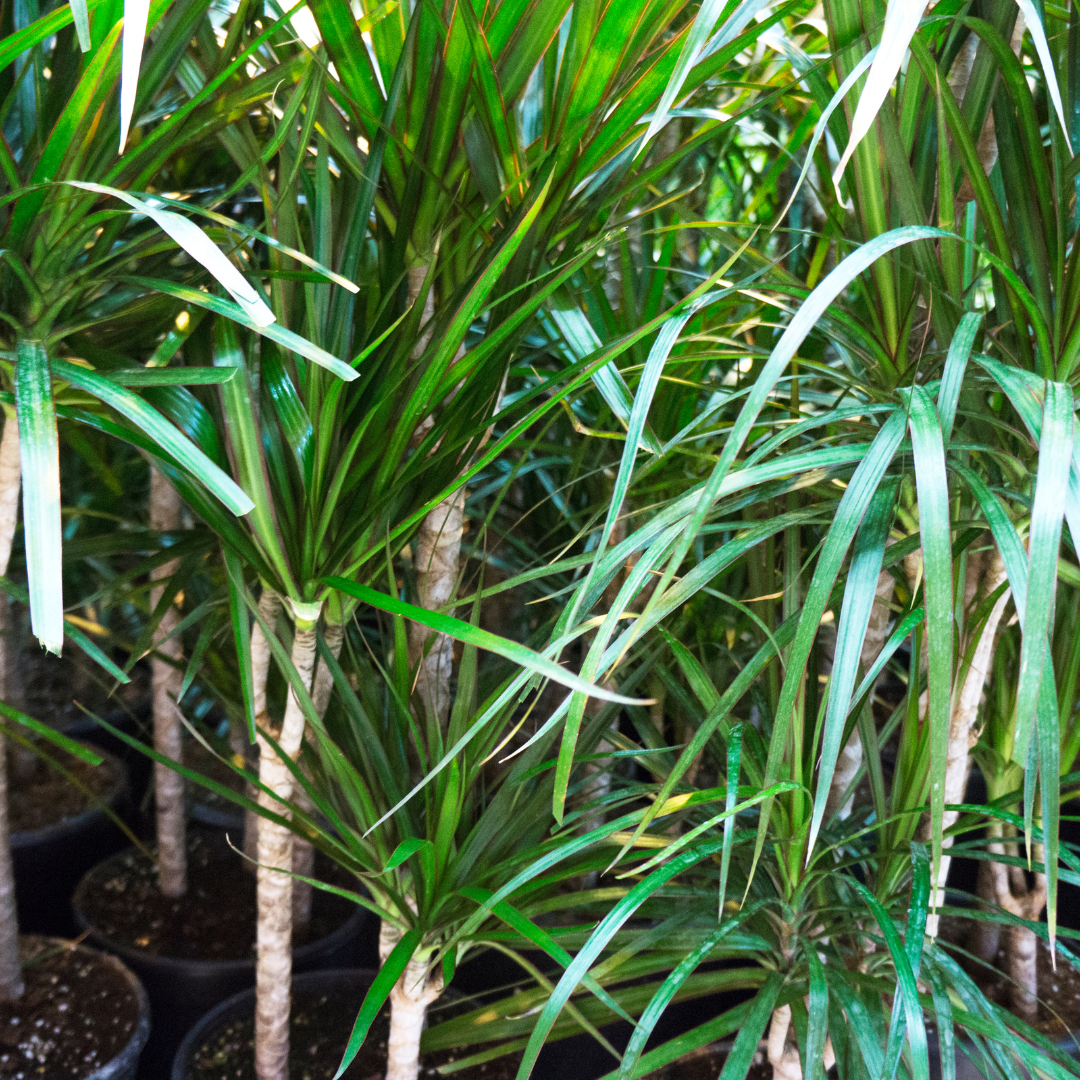
ponytail palms for sale near me Buy Ponytail Palm Phoenix, AZ | Beaucarnea recurvataPhoenix's Favorite Low Water Sculptural Tree for Desert Landscapes Ponytail Palm (Beaucarnea recurvata) is one of the most eye catching and carefree plants you can grow in the Phoenix Valley. Despite its name, it's not a true palm it's actually a succulent tree that stores water in its swollen, bulbous trunk base. Long, cascading leaves fountain from the top like a ponytail, creating a tropical meets desert look that works in any landscape style.
Phoenix's Favorite Low-Water Sculptural Tree for Desert Landscapes
Ponytail Palm (Beaucarnea recurvata) is one of the most eye-catching and carefree plants you can grow in the Phoenix Valley. Despite its name, it's not a true palm — it's actually a succulent tree that stores water in its swollen, bulbous trunk base. Long, cascading leaves fountain from the top like a ponytail, creating a tropical-meets-desert look that works in any landscape style. Ponytail Palm thrives on neglect, handles full Arizona sun, and needs almost no supplemental water once established. Whether you're adding a statement tree to a Scottsdale courtyard, softening a modern entrance in Gilbert, or creating a tropical oasis feel around a Tempe pool — Ponytail Palm delivers drama with virtually zero maintenance.
Ponytail Palm Plant Details
| Attribute | Detail |
|---|---|
| Scientific Name | Beaucarnea recurvata |
| Common Names | Ponytail Palm, Elephant's Foot Tree, Bottle Palm |
| Mature Height | 8–15 feet outdoors in Phoenix (up to 30 feet in ideal conditions) |
| Mature Width | 6–10 feet (canopy spread) |
| Growth Rate | Slow — 6–12 inches per year |
| Sun | Full sun to partial shade. Handles reflected heat from walls. |
| Water | Very low once established. Stores water in bulbous trunk base. |
| USDA Zones | 9–11 (Phoenix is Zone 9b–10a) |
| Soil | Well-draining. Adapts to Arizona caliche soils with proper drainage. |
| Foliage | Evergreen — long, thin cascading leaves year-round |
| Special Feature | Swollen caudex (trunk base) stores water, creating unique sculptural form |
Ponytail Palm Uses in Phoenix Landscapes
Sculptural Focal Point & Specimen Tree
The Ponytail Palm's bulbous trunk and cascading leaf canopy make it a natural centerpiece. Plant as a standalone specimen near entryways, patios, or courtyards where the architectural form can be fully appreciated. Larger box-size specimens create instant impact. Uplighting at night transforms the cascading foliage into a dramatic silhouette — a favorite design trick in Scottsdale and Paradise Valley landscapes.
Pool-Friendly Tropical Accent
Ponytail Palm is one of the best pool-adjacent trees for Phoenix. No messy flower drop, no invasive roots, no thorns, and the cascading leaves create a tropical resort feel without the water demands of true palms. Plant 6–8 feet from pool edges in Chandler, Mesa, and Gilbert for a lush poolside look that stays clean year-round.
Container & Patio Tree
Ponytail Palm thrives in large containers for years, making it perfect for patios, balconies, and rooftop gardens. The slow growth rate means it stays proportional in pots much longer than most trees. Use a heavy ceramic or concrete planter to balance the top-heavy canopy in windy locations.
Best Time to Plant Ponytail Palm in Phoenix
Fall (October–November) is the ideal planting window. Warm soil promotes root establishment while cooler air reduces transplant stress. Spring (February–April) is the second-best option. Avoid summer planting for large specimens — the combination of transplant stress and extreme heat can be challenging for newly planted trees without established root systems.
How to Plant Ponytail Palm
- Dig wide, not deep — hole should be 2–3x the root ball width, same depth. Never bury the bulbous trunk base below soil level.
- Check for caliche — break through any hardpan layer for drainage. Root rot from standing water is the #1 killer of Ponytail Palms.
- Backfill with native soil — mix in 20–30% pumice or gravel for extra drainage in heavy soils.
- Spacing — allow 8–10 feet from structures for mature canopy spread.
- Water basin — build a 3–4 inch ring around the plant to direct water to the root zone.
- Mulch — 2–3 inches of gravel or decomposed granite around the base. Keep mulch away from the trunk to prevent rot.
Watering Ponytail Palm in Phoenix
First Year Watering Schedule
- Weeks 1–2: Every 3–5 days, deep and slow
- Month 1–3: Every 7–10 days
- Month 3–12: Every 14–21 days
- After Year 1: Every 3–4 weeks in summer; monthly or less in winter
Drip Irrigation
Place 1–2 emitters (2 GPH each) 18–24 inches from the trunk. The bulbous caudex stores significant water, so Ponytail Palm needs far less irrigation than true palms. Overwatering causes trunk rot — always let soil dry completely between waterings.
Is Ponytail Palm actually a palm?
No — despite the name, Ponytail Palm is a succulent in the Asparagaceae family (related to agaves). Its bulbous trunk stores water like a cactus, which is why it's so drought-tolerant. The "palm" name comes from its cascading, palm-like leaf canopy.
How fast does Ponytail Palm grow in Phoenix?
Slowly — expect 6–12 inches of trunk height per year in ideal conditions. The bulbous base grows wider over time, eventually reaching impressive proportions. For instant impact, consider purchasing a larger 24" or 30" box specimen.
Can Ponytail Palm handle Phoenix summer heat?
Absolutely. Beaucarnea recurvata handles full sun and 115°F+ temperatures without issue. The water-storing trunk base makes it naturally adapted to hot, arid conditions. It's one of the most heat-tolerant succulent trees available.
Does Ponytail Palm need frost protection?
In most Phoenix Valley locations (Zone 9b–10a), Ponytail Palm handles winter temperatures without protection. Brief dips into the low 20s°F may cause some leaf tip browning, but the plant recovers quickly in spring.
You May Also Like
- Madagascar Palm (Pachypodium lamerei) — Another sculptural succulent tree with a dramatic trunk form.
- Boojum Tree — Bizarre columnar succulent tree that creates an otherworldly desert focal point.
- Elephant's Ear — Tropical-looking succulent with bold foliage for poolside pairings.
- African Ocotillo — Unique sculptural form that complements Ponytail Palm in modern designs.
- Flapjacks — Colorful low succulent that pairs well as underplanting beneath Ponytail Palm.
How Many Ponytail Palm Do I Need?
Ponytail Palm is a sculptural specimen, not a hedge plant. Use it singly as a focal point, or in odd-numbered groups so each cascading crown stands clear. With a mature canopy of 6 to 10 feet, give each plant room to show its form.
| Planting Goal | Spacing | What It Looks Like |
|---|---|---|
| Single focal point | 1 plant | Centerpiece near an entry, patio, or courtyard |
| Small grouping | 3 plants, 8 to 10 ft apart | Staggered heights for a sculptural cluster |
| Statement grove | 5 plants, 8 to 10 ft apart | Resort-style massing in a large open bed |
Keep at least 8 to 10 feet from walls and structures so the canopy can spread, and 6 to 8 feet back from pool edges.
Ponytail Palm Season-by-Season in Phoenix
- Spring (Feb to Apr): New leaf growth flushes from the crown as soil warms. A great secondary planting window before summer heat arrives.
- Summer (May to Sep): Thrives in full sun and 115F-plus heat on very little water. The swollen trunk base stores moisture, so it sails through the hottest months. Monsoon rain is usually plenty: avoid adding water on top of storms.
- Fall (Oct to Nov): Prime planting season in Phoenix. Warm soil and mild air let roots settle before winter.
- Winter (Dec to Jan): Holds its evergreen cascading foliage. Hardy through most Valley winters; brief dips into the low 20s F may brown a few leaf tips that recover in spring. Cover young or container plants on hard frost nights.
At a Glance
✔ Heat-Loving (Reflected-Heat Tolerant) ✔ Drought-Tolerant ✔ Pool-Friendly (Low-Litter) ✔ Evergreen ✔ Low-Maintenance ✔ Deer & Rabbit-Resistant ✔ Spineless ✔ Cold-Hardy to 20°F
Plant It With
- Madagascar Palm: another sculptural succulent tree with a dramatic water-storing trunk.
- Boojum Tree: bizarre columnar form for an otherworldly desert focal grouping.
- Elephant's Ear: bold tropical foliage that softens the base for poolside pairings.
- African Ocotillo: vertical sculptural lines that complement the cascading crown in modern designs.
Is Ponytail Palm Right for Your Yard?
Ponytail Palm is ideal for full-sun and reflected-heat spots with fast-draining soil, where its sculptural trunk and cascading crown work as a low-water focal point near entries, patios, or pools. Break through any caliche layer so water never stands at the roots. It is not a fit if your site stays wet or poorly drained, since the water-storing caudex rots in soggy soil, or if you need quick height, as it grows only 6 to 12 inches a year.
Shipping Notes
- Free Standard Shipping on $100+ Orders to the USA.
- Except Preorder products are shipped in 48 hours.
- Delivery to the USA:
- Standard Shipping : 3-10 business days
- If time is of the essence, please consider selecting expedited delivery for faster service.
Exchange/Return Notes
- We offer a 30-day return/exchange service after receiving.
- Final sale items are not eligible for returns or exchanges.
- To process your return/exchange, please contact us at [email protected]
- Please click here for more details>>> Return & Exchange Policy