Pay in installments of $5.43 with
 ,
,
 and
and

Shipping Estimate
USA
- USA
- CAN
- USA
- CAN
Ships within 48 hours · Estimated delivery Oct 19 - Oct 24
 Promo Codes Available:
For Your Every Summer RSVP, with Code: SUMMER15
Description
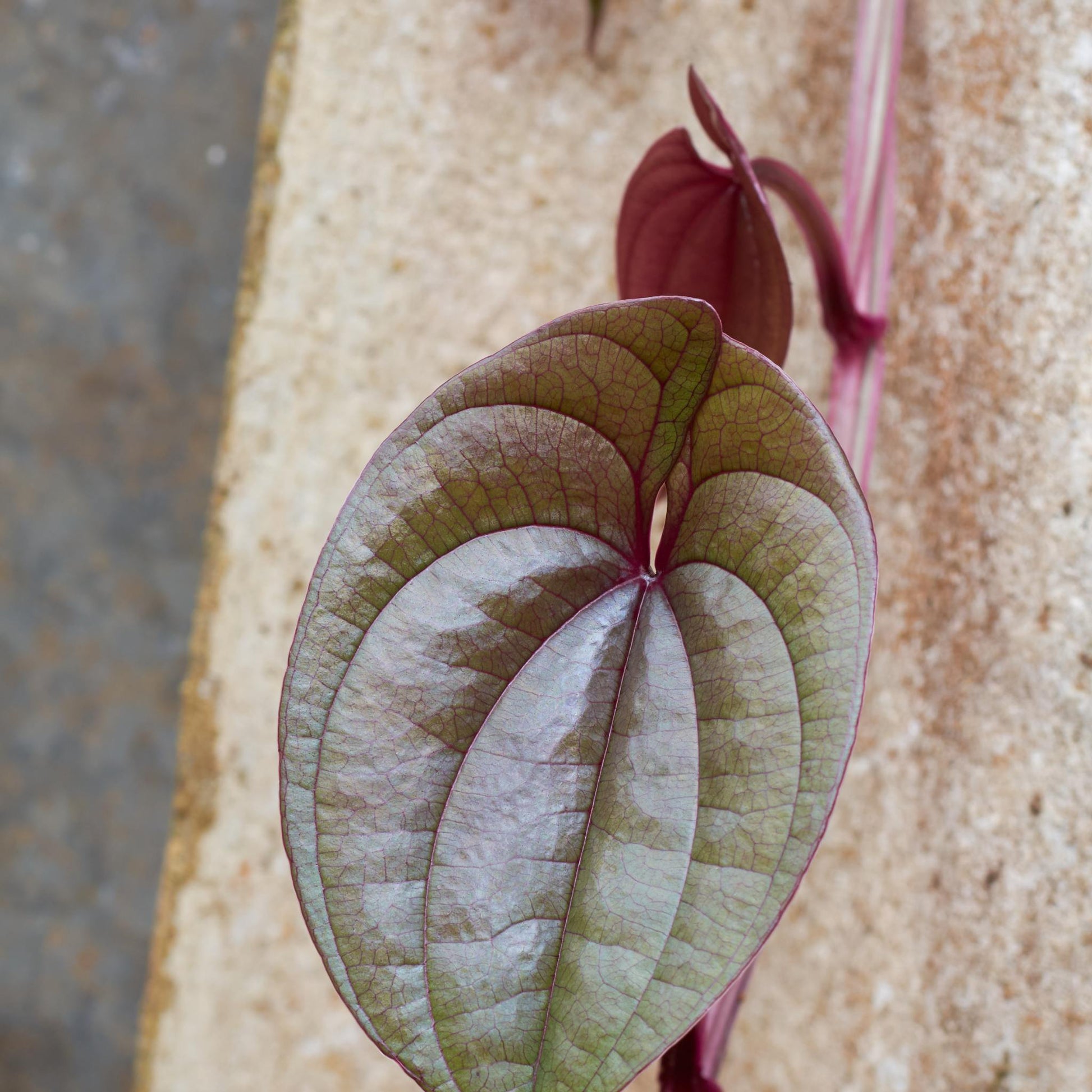
yam indoor plant Ube Purple Yam Plant and Tubers -Dioscorea Alata, Winged Yam – Sunkissed GardenScientific Name: Dioscorea alata, aka: Elephantodon eburnea, Greater yam, Guyana Arrowroot. Get ready to grow your very own vibrant Ube! These are True Purple Yam plants, perfect for cultivating at home for use in your favorite recipes. Just to be clear, these are NOT purple sweet potatoes they're a unique botanical treasure! You'll love their distinctive, twisted looking vines and the impressive, nutritious yams they produce. What's even more
Scientific Name: Dioscorea alata, aka: Elephantodon eburnea, Greater yam, Guyana Arrowroot.
Get ready to grow your very own vibrant Ube! These are True Purple Yam plants, perfect for cultivating at home for use in your favorite recipes.
Just to be clear, these are NOT purple sweet potatoes – they're a unique botanical treasure! You'll love their distinctive, twisted-looking vines and the impressive, nutritious yams they produce. What's even more fascinating is that these yams can stay quietly growing underground for several years, continuing to increase in size before harvest – truly a hard-to-find, incredibly popular plant that's ready to add a splash of color to your garden!
Features
- Remarkably Resilient: This is a wonderfully prolific plant! Its rhizomes can be easily divided, helping you produce even more plants to enjoy. It's surprisingly tough, able to withstand temperatures as low as 22ºF while dormant.
- Self-Pollinating: No need for a partner here! This tree is wonderfully self-fertile.
- Stunning Aesthetics: Prepare for a tropical paradise in your own backyard! Its lush, abundant, gorgeous deep green foliage creates an exotic vibe and makes a truly stunning garden centerpiece.
- Drought-Tolerant Champion: This plant is a trooper, happily enduring hot, humid temperatures and even dry spells. Just remember, it's not a fan of too much water!
Perfect Growing Zones Ube absolutely thrives in USDA Hardiness Zones 7b-11. If your home falls within these zones, congratulations—this fantastic plant is truly a perfect fit for you! Grows year-round indoors.
Culinary Uses Oh, where to begin with Ube, the famous purple yam! A true staple in Filipino cuisine, Ube is making a delicious splash in American food trends, too. It offers a wonderfully unique, sweet, nutty flavor and that absolutely captivating, vibrant purple hue. You'll find Ube bringing its magic to all sorts of dishes, from delightful desserts to savory sensations!
Dessert Delights:
- Ube Ice Cream: A creamy, cool, and incredibly popular treat.
- Ube Cakes: Known for their moist texture and beautiful purple color, often paired with macapuno (a special type of coconut).
- Ube Mochi: Chewy, delightfully purple, and utterly delicious.
- Ube Milk Tea/Ube Flurry: A trendy and tasty drink featuring that unmistakable ube flavoring.
- Ube Pancakes/Waffles: Add vibrant color and unique flavor to your breakfast favorites.
- Ube Custard Cake/Puffs: Infuses a wonderful flavor into these sweet, custardy creations.
- Ube Halaya: A delightful jam or spread, perfect for toast or as a dessert on its own.
- Ube in Halo-Halo: Adds a unique taste and eye-catching color to this beloved layered dessert.
Savory Surprises:
- Ube in Bread/Pancakes: Incorporate ube into your savory bread or pancake dough for a twist.
- Ube in Soups/Pasta: Experiment by adding ube as a flavorful component to savory dishes like soups or pasta.
- Ube in Croquettes: A fun way to include ube in a croquette or other savory recipe.
- Did you know tubers may also be processed into flour or starch? Plus, purple yams can be boiled, mashed, fried, or baked – just like your favorite potatoes or even turned into delicious fries! They're fantastic in stews, stir-fries, and soups. And, in the Philippines, they are often transformed into flour, frequently used in creating exquisite desserts. Ube powder is also a wonderful way to create that vibrant purple color in your Instagram-worthy foods, from candies and rice to cakes, desserts, and jams!
Nutritional & Botanical Highlights Ube, or purple yam, is celebrated for its wonderful nutritional profile and the unique compounds that contribute to its vivid purple color.
- Rich in Key Nutrients: Purple yams are a good source of vitamin C.
- Contains Anthocyanins: Like other blue-pigmented berries and purple vegetables, ube contains anthocyanins, which are natural plant compounds with antioxidant properties responsible for its beautiful color.
- Complex Carbohydrates: Purple yams are full of complex carbohydrates and resistant starch (a type of starch that resists digestion in the small intestine).
Growth Habits & Best Practices
- Impressive Height: This lush tropical beauty can climb up to an amazing 100 feet when given a trellis!
- Light Preference: Loves the sun but is quite adaptable and can tolerate partial shade.
- Soil: Keeps this plant happy with rich, well-draining soil.
- Dormancy: In winter, typically from late November or early December, plants in zones 1-7 may enter a dormant phase until around March or April. The foliage might wither, dry, and disappear, but don't worry—the roots stay cozy underground unless they experience a prolonged, deep freeze. In zones 7-11, it grows as a perennial!
- Propagation: Ube propagates from vine cuttings easily by growing roots in water or directly planting in soil using a root stimulator.
- Where to Plant: A sunny or dappled light location in your backyard is perfect, especially with a sturdy trellis or a friendly tree for the vines to climb on! But don't worry, it's adaptable enough to thrive in a sunny room inside your house, too!
Planting Guide Once Roots are Established
- Dig a hole as wide as your pot or plant rhizome, aiming for approximately 2-4 inches deep.
- Carefully remove your plant or rhizome and place it in the hole.
- Fill the hole with soil, and give it a good, generous watering to help it settle in.
- If you're in zones lower than 7, remember to bring your potted plant inside for winter protection.
- Container Planting: For containers, plant 2-3 inches deep in a good quality, well-draining potting mix.
Care Routine
- Give it regular watering, but make sure to let the soil dry out nicely between waterings.
- Keep it happy by fertilizing with a balanced fertilizer every year.
- Fun Facts: Did you know there's a Ube Festival? It's a popular annual celebration of all things UBE! Humans have known and appreciated Ube since ancient times, truly a plant with a long and storied past.
Ideal For
- Home gardeners in warm regions who love unique and visually stunning plants.
- Gardeners eager to add eye-catching and productive plants to their landscape.
- Anyone interested in self-sufficiency and growing their own sustainable, nutrient-dense food sources that can continue to grow underground for years!
🚫 Not Ideal For
- Those residing in frigid regions below USDA Zone 5, unless you can bring a potted plant indoors for winter protection.
- Gardeners who don't have enough sun or a suitable trellis for climbing vines.
Disclaimer: This information is provided for general knowledge about the Ube plant (Dioscorea alata) and its characteristics. This product is a live plant for cultivation purposes. These products are not intended to diagnose, treat, cure, or prevent any illness or disease. Consult with a qualified professional before using any plant for medicinal purposes.
Shipping Notes
- Free Standard Shipping on $100+ Orders to the USA.
- Except Preorder products are shipped in 48 hours.
- Delivery to the USA:
- Standard Shipping : 3-10 business days
- If time is of the essence, please consider selecting expedited delivery for faster service.
Exchange/Return Notes
- We offer a 30-day return/exchange service after receiving.
- Final sale items are not eligible for returns or exchanges.
- To process your return/exchange, please contact us at [email protected]
- Please click here for more details>>> Return & Exchange Policy