Pay in installments of $6.37 with
 ,
 and

Shipping Estimate
USA
- USA
- CAN
- USA
- CAN
Ships within 48 hours · Estimated delivery Oct 24 - Oct 29
 Promo Codes Available:
For Your Every Summer RSVP, with Code: SUMMER15
Description
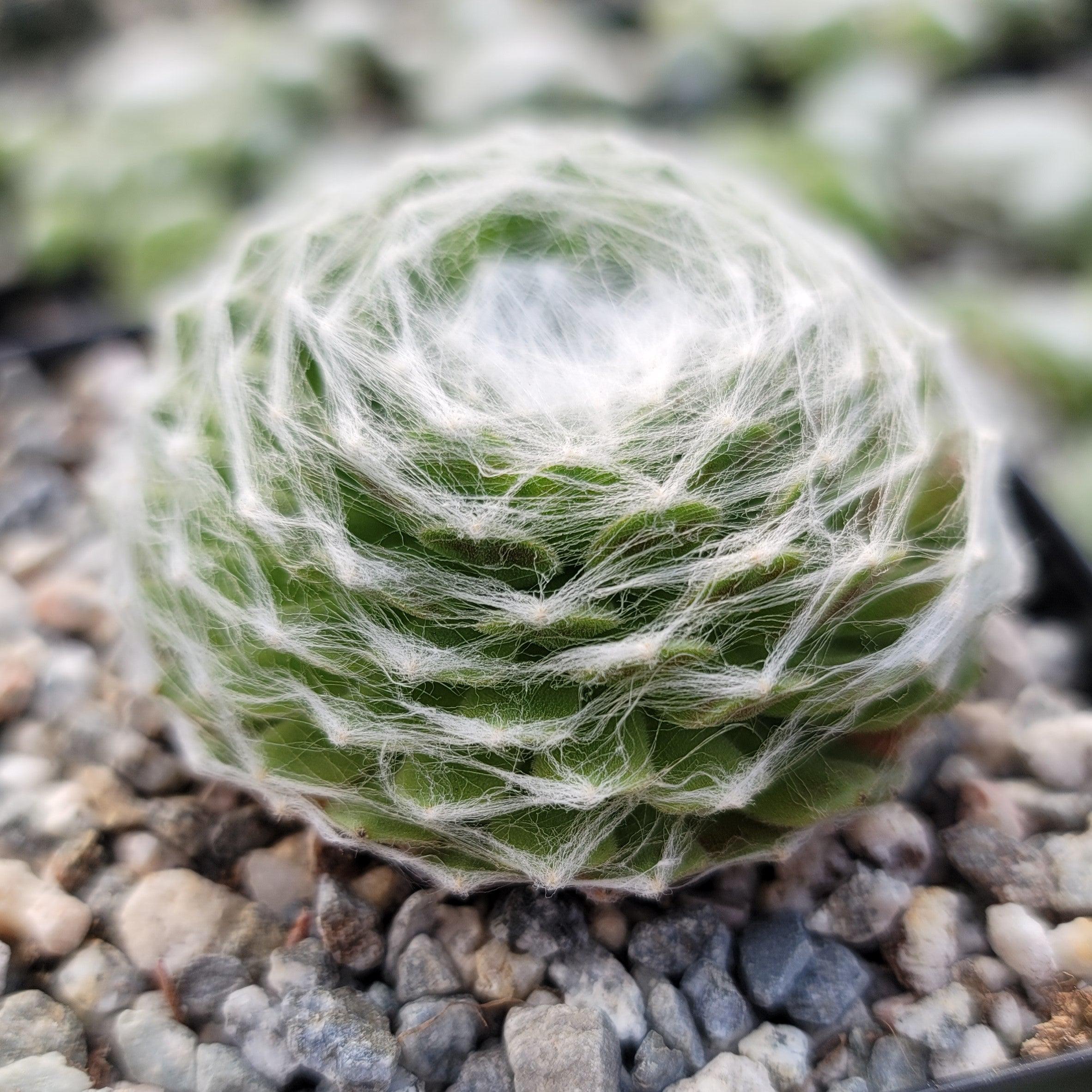
succulent with spider web Cobweb Hens and ChicksIntroducing the Cobweb Hens and Chicks, known as Sempervivum arachnoideum, which is a vibrant mat forming succulent plant, that belongs to the Sempervivum genus. The Sepervivum arachnoideum has several other common names such as Cobweb Houseleek, Cobweb sedum, or Spiderweb Hens and Chicks because of its fine, web like hairs that cover its leaves. The webs on Sempervivum arachnoideum, are actually a natural characteristic of the plant. These webs, made
Introducing the Cobweb Hens and Chicks, known as Sempervivum arachnoideum, which is a vibrant mat-forming succulent plant, that belongs to the Sempervivum genus. The Sepervivum arachnoideum has several other common names such as Cobweb Houseleek, Cobweb sedum, or Spiderweb Hens and Chicks because of its fine, web-like hairs that cover its leaves.
The webs on Sempervivum arachnoideum, are actually a natural characteristic of the plant. These webs, made up of silvery-white hairs, serve a few purposes. They help protect the plant from excessive sunlight by providing some shade. The webs can help trap moisture around the leaves, acting as a natural insulation and reducing water loss. Additionally, the webs add a unique and visually appealing feature to the plant, making it stand out among other succulents.
The Hens and Chicks plants form tight evergreen rosettes of fleshy, pointed leaves that are covered in silvery-white hairs, resembling a spiderweb. The leaves have a green or reddish coloration, depending on the variety. With a fast growth rate, it can grow up to 3 inches tall and 12 inches wide, which creates a beautiful, textured carpet-like effect.
Sempervivum arachnoideum crested is a unique variant of Sempervivum arachnoideum distinguished by its distinctive crested fan-shaped growth pattern.
The Sempervivum arachnoideum flower blooms in late summer and produces tall flower stalks that rise from the center of the rosettes. The flowers are star-shaped and can vary in color, ranging from pink to red or even yellow. The monocarpic plant will produce numerous chicks before dying, with offsets or "chicks" around the mother plant's base after flowering.
The Cobweb Hens and Chicks can be propagated through offsets or leaf cuttings. The offsets, which are the small rosettes that grow around the mother plant, can be carefully separated and replanted to establish new plants. Additionally, individual leaves can be removed and rooted to grow new plants. This succulent is relatively easy to propagate, making it a popular choice for plant enthusiasts.
Remember, the Cobweb Hens and Chicks Sempervivum arachnoideum are generally considered non-toxic to both humans and pets. Sempervivums, like many cacti and succulents, require little maintenance once established and will survive near-total neglect.
Watering Needs
Like other succulents, the Sempervivum arachnoideum has adapted to survive in arid conditions, which means it prefers drier soil. It's important to allow the soil to dry out completely between regular watering to prevent overwatering, which can lead to root rot and other issues. Aim for a watering schedule of once every 1-2 weeks in the summer, during the growing season, and even less frequently during the winter months when it goes into a dormant phase.
When watering your Cobweb Hens and Chicks Sempervivum arachnoideum, it's important to water the soil directly rather than spraying or misting the leaves. This helps prevent excess moisture from getting trapped in the cobweb-like threads and causing rot. Water the soil thoroughly until it is evenly moist, but avoid letting the plant sit in standing water, as this can also lead to root rot.
Remember, it's always better to underwater rather than overwater your Hens and Chicks plant. These Sempervivum arachnoideum succulents are quite resilient and can tolerate short periods of drought. Observing the leaves can also give you an indication of when to water. If the leaves start to appear slightly wrinkled or feel soft, it's a sign that your Hens and Chicks plant is thirsty and could use a drink.
Light Requirements
When it comes to growing Sempervivum arachnoideum indoors, they thrive in bright, indirect light. Place them near a south or west-facing window where they will get plenty of sunlight throughout the day. If you don't have access to a lot of natural light, you can also use artificial grow lights to provide the necessary light intensity for the plant.
If you decide to grow your Sempervivum arachnoideum Cobweb Hens and Chicks outdoors, they prefer a spot with full sun to partial sun. These plants can handle direct sunlight, but they may appreciate some protection from intense afternoon sun, especially in hotter climates. A location that receives 4-6 hours of sunlight per day is generally ideal for their growth and color development.
It's critical to remember that during a heatwave or periods of extreme heat, your Sempervivum arachnoideum could still sustain sun damage or get sunburned. You can protect the plant in this situation by moving it indoors or to a shaded area.
Optimal Soil & Fertilizer Needs
The Cobweb Hens and Chicks prefer well-draining soil that allows excess water to escape easily. A good mix for these succulent plants is a combination of regular potting soil and coarse sand or perlite. This mixture helps prevent the roots from sitting in too much water alone, which can lead to root rot. Planet Desert specializes in succulents and has specialized succulent potting soil that includes an organic substrate with mycorrhizae to help with the growth of a healthy root system to help your succulents thrive. As an okay alternative, you can create your own potting mix by combining equal portions of perlite, coarse sand, and good natural potting soil.
The Sempervivum arachnoideum are generally low-maintenance plants and don't require heavy fertilization. In fact, they can do well without any additional fertilizers. However, if you want to give them a little boost, you can use a balanced (5-10-5), water-soluble NPK fertilizer diluted to half-strength. Apply the fertilizer sparingly, only once a year during the growing season, which is typically spring. Avoid fertilizing during the winter months when it is in a dormant phase.
Remember that Sempervivum arachnoideum is native to rocky, mountainous regions, so replicating its natural habitat is key. Make sure to select a fast-draining soil with adequate drainage. As for fertilization, it's better to under-fertilize than over-fertilize, as excessive nutrients can cause the plants to become leggy or lose their vibrant colors. Always follow the instructions and err on the side of caution.
Hardiness Zone & More
When planted indoors, the Sempervivum arachnoideum prefers temperatures between 50°F and 65°F. They can tolerate slightly lower temperatures during their dormant period in winter. It's important to place them in a well-lit area, preferably near a sunny window where they can receive at least 4 to 6 hours of indirect sunlight per day.
If you are living in USDA zones 5-8, you can grow your Cobweb Hens and Chicks outdoors in the garden, year-round. They are generally frost-tolerant and can survive temperatures as low as 20°F. However, it's important to ensure good drainage in the soil to prevent waterlogging during heavy rain or snow.
As for humidity, they are adaptable and can tolerate a variety of humidity levels, from dry to moderately humid environments. It can tolerate average indoor humidity, but it's important to avoid excessively dry conditions. You can increase the humidity around the plant by placing a tray of water near it or by using a humidifier.
So, no matter where you live, as long as you provide the right temperature, humidity, and Sempervivum care, your Cobweb hens and Chicks will be happy and healthy!
Final Thoughts
Overall, the Sempervivum arachnoideum (Cobweb hens and chicks) are unique, silvery-white succulent plants with a unique appearance. They have a fast-growing habit and tight clusters of rosettes, creating a visually appealing carpet-like effect. They produce star-shaped flowers in various colors during the summer and are easy to propagate through offsets or leaf cuttings. They are hardy in USDA hardiness zones 5 to 8, preferring temperatures between 50°F and 65°F and well-lit areas with indirect sunlight. They are non-toxic, making them safe for households with pets or children. Whether you're a succulent enthusiast or just starting your plant collection, Sempervivum arachnoideum Cobweb Hens and Chicks add beauty and intrigue to any space.
Shipping Notes
- Free Standard Shipping on $100+ Orders to the USA.
- Except Preorder products are shipped in 48 hours.
- Delivery to the USA:
- Standard Shipping : 3-10 business days
- If time is of the essence, please consider selecting expedited delivery for faster service.
Exchange/Return Notes
- We offer a 30-day return/exchange service after receiving.
- Final sale items are not eligible for returns or exchanges.
- To process your return/exchange, please contact us at [email protected]
- Please click here for more details>>> Return & Exchange Policy