SKU: 46553629084
fern house plant

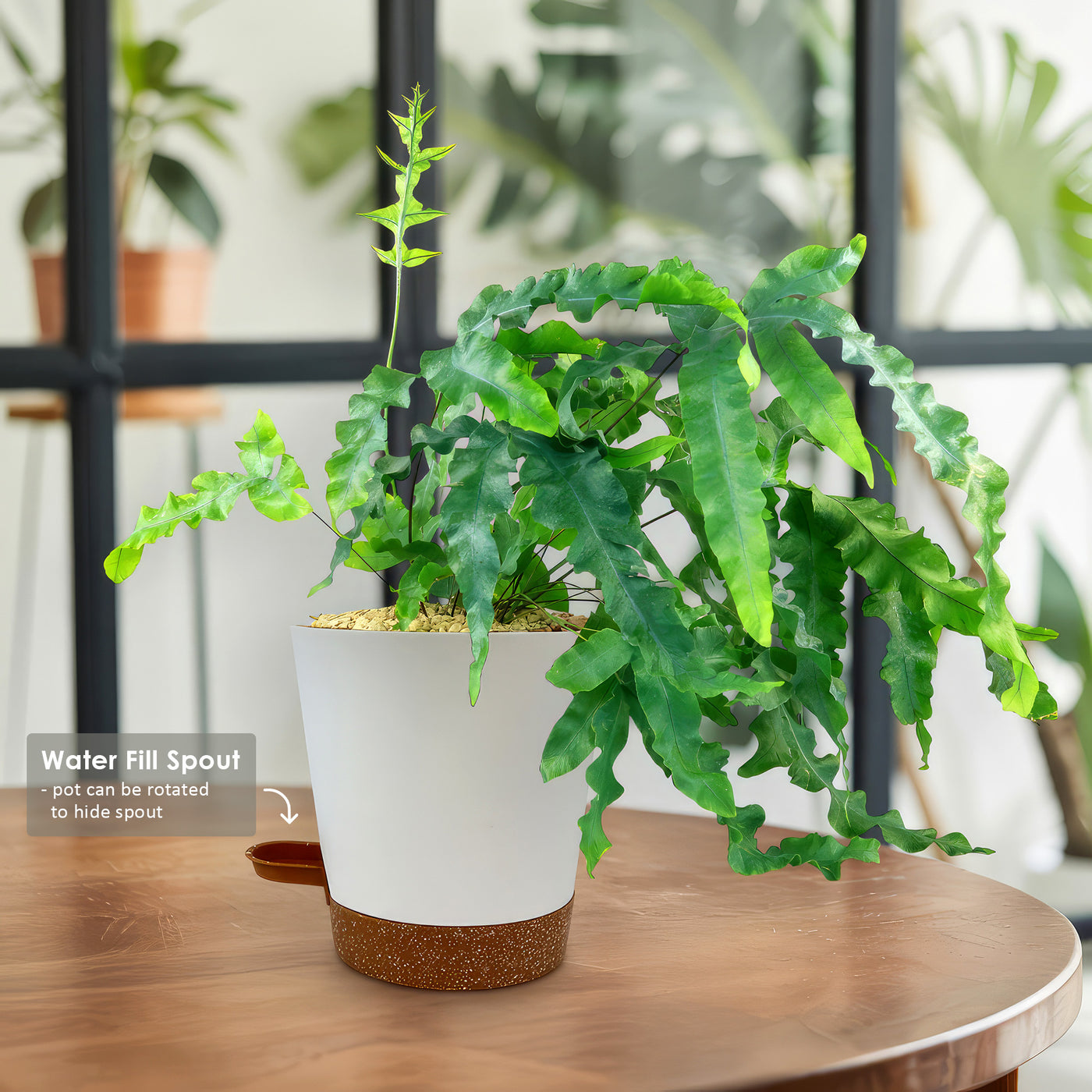
fern house plant Blue Star Fern ‘Phlebodium aureum’ 2 Gal. / Self Watering / Without Pot

Sale price$25.55 Regular price$28.39
Save 10%

Pay in installments of $7.10 with ShopPay, AfterPay and Klarna

Shipping Estimate
USA
  • USA
  • CAN

Ships within 48 hours · Estimated delivery Oct 11 - Oct 16

Promo Codes Available:

For Your Every Summer RSVP, with Code: SUMMER15

Description

fern house plant Blue Star Fern ‘Phlebodium aureum’ 2 Gal. / Self Watering / Without PotThe Blue Star Fern, known as Phlebodium aureum, is a unique and increasingly popular fern for beginners as needs less humidity than other varieties. Its broad, blue green fronds have an unusual, almost wavy texture that lends an exotic feel to any indoor space. In the wild, it grows epiphytically on trees, making it well suited for mounting on surfaces or planting in hanging baskets where its fronds can cascade beautifully. Native to South and Central

The Blue Star Fern, known as Phlebodium aureum, is a unique and increasingly popular fern for beginners as needs less humidity than other varieties. Its broad, blue-green fronds have an unusual, almost wavy texture that lends an exotic feel to any indoor space. In the wild, it grows epiphytically on trees, making it well-suited for mounting on surfaces or planting in hanging baskets where its fronds can cascade beautifully.

Native to South and Central America, the Blue Star Fern gets its name due to the soft, bluish hue of its fronds that resemble star-like shapes when viewed from above.

It has several other common names such as Blue Star Fern, Cabbage Palm Fern, Golden Polypody, Gold Foot Fern, Hare Foot Fern, and Rabbits Foot Fern.

Its popularity stems not only from its visual appeal but also from its ability to improve indoor air quality, making it an attractive, functional addition to any home or office.

A popular feature of the Blue Star Fern is its deeply lobed, velvety fronds, which can grow up to 2 feet long and spread up to 6 feet wide in ideal conditions.

The fronds emerge from a creeping rhizome, which often has a slightly golden tint, adding an additional layer of color to the plant’s appearance.  Its foliage has a soft, almost fuzzy texture, giving it a unique tactile quality not commonly found in other ferns. 

The large blue star fern is a striking addition to any indoor plant collection, with its vibrant color and unique shape.   Its moderate growth rate allows it to fill its space gradually, making it easy to care for and less prone to outgrowing its container quickly.  

As a non-flowering plant, the Blue Fern does not produce blooms, but its vibrant foliage more than compensates for the lack of flowers, providing year-round greenery and aesthetic appeal. 

When and How to Water Your Blue Star Fern 

The Blue Star Fern requires less water and easier to care for than other ferns. This fern is somewhat more resilient than typical tropical varieties, able to go a bit longer between watering sessions without suffering damage. However, allowing the soil to completely dry out is not recommended, as it can lead to stress and browning of leaves.  

In the spring and fall, during the growing season, your Blue Star Fern requires more frequent watering. Water it thoroughly whenever the top inch of soil feels dry to the touch. In most indoor environments, watering every 7–10 days is ideal, depending on the humidity levels. The goal is to keep the soil evenly moist but not soggy, as waterlogged conditions can harm the plant’s delicate roots. Adjust the frequency based on your home’s temperature and humidity; higher temperatures or drier air may require more frequent watering. 

In late fall and winter, during its dormancy period, the Blue Star Fern’s water needs decrease significantly. Water only when the soil is nearly dry, roughly every two to three weeks, as the plant’s growth slows and its water usage drops. The plant can withstand brief periods of dryness during dormancy but will benefit from occasional misting if indoor air is particularly dry. This more conservative watering schedule helps the fern maintain health without overstimulating it during its resting phase.

Light Requirements – Where to Place Your Blue Star Fern 

When growing indoors, Blue Star Ferns prefer bright, indirect light for around 6–8 hours daily. Position it near a north- or east-facing window where it can receive gentle morning sunlight or filtered light throughout the day.

Direct sunlight should be avoided, as it can cause the leaves to scorch and fade in color.

In lower-light settings, this fern can still thrive, although its growth may slow slightly. Supplemental artificial lighting can help maintain vibrant foliage in dim indoor spaces.

For outdoor cultivation, place your Phlebodium aureum blue star in a shaded or partially shaded area.

A spot under a canopy or larger tree where it receives dappled sunlight for part of the day is ideal.

If the plant shows signs of fading color or wilting, try relocating it to a spot with more filtered shade.

Optimal Soil & Fertilizer Needs 

Blue Star Ferns thrive in well-draining, organic-rich soil that retains moisture but doesn’t become waterlogged. An ideal mix for indoor potted plants is a combination of standard potting soil and orchid bark or perlite to enhance drainage. Ideally, you want to use our specialized potting mix, opens in a new tab that contains 5 natural substrates and organic mycorrhizae to promote the development of a strong root system that helps your ferns to thrive.   

For fertilizer, Blue Star Ferns benefit from light feeding during the growing season, roughly once a year from spring to early fall. Use a balanced, NPK fertilizer with an equal ration of about 5-10-5 to avoid overwhelming the plant. Avoid high-nitrogen fertilizers, as these may encourage foliage growth at the expense of root health. During the dormant winter months, fertilizing holds off, as the fern’s nutrient requirements are minimal when growth slows.

Hardiness Zones & More 

When grown indoors, your Blue Star Fern thrives in moderate, indirect light and prefers a consistent indoor temperature range between 60-75°F, making it ideal for home environments. It does best when shielded from direct sunlight, which can scorch its fronds but also needs ample ambient light to thrive. The Blue Star Fern appreciates moderate humidity levels of 40-60%, which can be achieved with a humidifier or occasional misting, particularly in winter or dry climates.

For outdoor cultivation, this fern is suited for USDA Zones 8-12, where it can survive mild winters but will require a shaded spot to avoid excessive sun exposure. It can withstand temperatures down to 20°F but should be protected from frost and intense afternoon sun.

It also benefits from higher humidity, so if grown in drier zones, placing it near water features or misting it occasionally will help maintain its lush appearance. The blue star fern's dry leaves are a sign that it needs more humidity in its environment. Make sure to mist the plant regularly or place a humidifier nearby to help prevent further leaf dehydration.  

Wildlife – Blue Star Fern Attracts the Following Friendly Pollinators 

While Blue Star Fern is not a traditional pollinator attractant like flowering plants, it creates a welcoming environment for beneficial insects that support local biodiversity. Its dense fronds provide shade and moisture, which helps attract small, beneficial creatures in shaded outdoor gardens.

Butterflies
Bees
Hummingbirds
Lady Bugs
Multi Pollinators
Other Birds

According to the ASPCA, Blue Star Fern is non-toxic to humans, cats, dogs, and birds. This makes it an ideal choice for pet-friendly homes, as it poses no risk to animals that may chew on their fronds. 

How to Propagate Your Phlebodium aureum 

To propagate Blue Fern, start by dividing its rhizomes during spring or early summer. Gently remove the plant from its pot, shake off excess soil, and separate the rhizomes into smaller sections, each with fronds and roots. Replant each division in a suitable pot with fresh, well-draining potting mix, water thoroughly, and place in a warm area with indirect light. Within a few weeks, the new divisions should begin to establish, showing signs of growth. 

Key Takeaways

  1. In the wild, it grows epiphytically on trees, making it well-suited for mounting on surfaces or planting in hanging baskets where its fronds can cascade beautifully.
  2. Its unique blue-green, wavy fronds with a soft, almost velvety texture give it a distinctive look, making it a striking and popular choice for indoor decor.
  3. Blue Star Fern is a low-maintenance plant that tolerates lower light levels, and indirect light and requires minimal care compared to many other ferns, making it well-suited for beginners.
  4. The blue fern can tolerate mild frost in USDA zones (8-12) and lower temperatures for short periods, making it versatile for indoor and sheltered outdoor use in suitable climates.
  5. Unlike many other ferns, Blue Star Fern has some drought tolerance and can go without frequent watering, though it prefers consistently moist soil.

The Bottom Line 

Overall, the Blue Star Fern (Phlebodium aureum) is a distinctive and popular houseplant that brings a touch of the tropics indoors with its striking blue-green, wavy fronds and epiphytic nature. Known for its adaptability, this fern thrives in moderate, indirect light and can tolerate occasional drought and lower humidity, making it easier to care for than many other ferns. While it prefers consistently moist soil, it is relatively low-maintenance and capable of withstanding mild frost, making it a versatile option for a range of indoor and sheltered outdoor spaces. With its unique appearance, air-purifying benefits, and pet-safe qualities, the Blue Star Fern is an excellent choice for anyone seeking a beautiful, easy-to-care-for addition to their plant collection. 

Shipping Notes
  • Free Standard Shipping on $100+ Orders to the USA.
  • Except Preorder products are shipped in 48 hours.
  • Delivery to the USA:
  1. Standard Shipping : 3-10 business days
  • If time is of the essence, please consider selecting expedited delivery for faster service.
Exchange/Return Notes
  • We offer a 30-day return/exchange service after receiving.
  • Final sale items are not eligible for returns or exchanges.
  • To process your return/exchange, please contact us at [email protected]
  • Please click here for more details>>> Return & Exchange Policy
SKU: 46553629084

Discover Niche Categories That Outsell fern house plant

Top-Converting Item to Boost Your Average Order

4.7 ★★★★★
Based on 24 reviews
Sort
Highest Rating
Newest First
Oldest First
Product Reviews
S
Verified Purchase
S. Bandy
San Leandro, US
★★★★★ 4
Wish I had read this sooner
Format: Paperback
This book is not that revolutionary, but very helpful. It essentially tackles three main problem areas for college students: 1) time management skills, 2) studying and exam prep, and 3) essay writing. Some of these are common sense things that many people resist implementing. If you are struggling with college, or are a high school senior unsure of what to expect in college, this book is very helpful. The true value in this book, for me at least, was in providing the satisfaction that these strategies worked. I would often start out a semester by doing the things listed in the book. I would manage my time, study effectively for exams, thoughtfully plan out papers and assignments. Halfway through the semester, I always had straight As. But as finals crept up, I would panic. Since every other student spent hours in the library studying, I abandoned the effective strategies to follow suit. As a result, my final exam grades were inconsistent and my final papers were always rushed. This book gave me the satisfaction of knowing that I can trust these time saving strategies. You do not need to spend hours and hours on projects to get a good grade. It's okay to not spend hours in the library studying for a final. Trust that these strategies work, and enjoy your stress-free semester. But, the book does have faults. While this book provides very useful information, I feel it misses two aspects of the college experience that can have a large impact on your grade: presentations and group projects. (Also the dreaded group presentation). While you can implement some of these strategies in these situations, it would be nice to know how top students manage working in group project settings, especially those that require research. I can't tell you how many times I've been in a group project where half the group doesn't show up to meetings, members refuse to do their work, or people drop the class halfway through the project. I still haven't figured out an adequate way to deal with these situations besides just doing the work myself at the last minute. Bottom line, this book is well worth the money. Whether you are a college senior or a high school senior and everything in between, this book will help you as long as you faithfully implement the strategies. But do search out other resources for help with managing group projects.
WAS THIS REVIEW HELPFUL?YesReportShare
Reviewed in the United States on December 12, 2012
T
Verified Purchase
tavodu
Alexandria, US
★★★★★ 5
Tried it, it worked!
Format: Paperback
I first have to say I practiced what the author tell us to do, and that semester I got A's on all my classes, and my GPA has improved considerably (I wish I had read this several years ago). I bought this book at the end of 2011 and decided to put to practice what it says. I was very amazed at my former roommate's 5.0 GPA and scholarship to Stanford once he got his minor in Biology. This guy would just come home, watch movies, go out with his girlfriend, play sports a lot, go dancing, etc. We never saw him cramming or pulling one all-nighter, NOT EVEN ONCE!. The other 2 guys were jealous studying like crazy but with 3.85 GPA. When I asked him about his success he said he wasn't doing anything special, except for staying in school until he finished his homework for the day. It didn't make sense since we saw him at home around 6 pm. "I just divide the work for each assignment unless it is too easy, and I never stay more than 1 or 2 hours doing just one assignment, That helps me usually get over 100% so at the end of the semester I don't have to worry too much about tests and other stuff like that; I don't read the whole thing, EVER! I would never be able to read the 100+ pages required each week, plus memorizing, and then doing an essay, it is ridiculous." I read a few books about getting A's (I am from Mexico so the grading system is different), but they all said the same: read the whole thing, learn everything to avoid surprises, repeat it but in your own words, make notes in every paragraph, develop mental maps, and so on... This book is different (some of the things are similar but not the same). Here's the most useful piece of advice I got from it: It is very often more important to know what NOT to study, than what to study. Time is very limited and we shouldn't waste it trying to read all the materials, learn absolutely everything for the tests, etc (especially the night before whatever is due). Your brain will shut off before you can do that, so you're better off knowing what you can and cannot do without burning out. I also have to say I enjoyed precious nights of deep sleep, and going to the test with a fresh mind (and scent), instead of tired, desperate, stinky, and trying to memorize 5 minutes before the test. This book is a lot about having free time to enjoy (not just getting drunk like some reviewers said) while others are wishing they would have studied earlier. It is a lot about structure and dividing the workload throughout the semester, month, week, day. You need to pay attention since at some point it could get a little tedious, like when he explains how to prepare for an essay. But if you try them they will work; the ultimate goal here is making college less tedious, more enjoyable, and an experience that will enrich your life instead of becoming a very expensive hell. It is also worth mentioning that the author is not giving you something he just though of, but these are common habits among top students attending top universities. I can also suggest you try the methods in the book and combine them with others such as mnemonics; I memorize whatever information I don't think I'll need in the future, and just pour it on the test, then forget about the rest; I do this ONLY with useless info that won't help me in any other class, and when I know the test will allow it (like multiple choice, short answers, yes/no, etc). Would definitely recommend it.
WAS THIS REVIEW HELPFUL?YesReportShare
Reviewed in the United States on September 14, 2012
M
Verified Purchase
Michelle Fehr
Dallas, US
★★★★★ 5
Struggling College Students...This is a Great Help!!
Format: Paperback
Picking up the book How to Become a Straight-A Student by Cal Newport I hoped to improve my study skills and eliminate my procrastination. Cal Newport is a professor at Georgetown University and is the author of five self-improvement books. He is the founder of Study Hacks, which is one of the Web’s most popular student advice blog. Newport uses his own knowledge of being a successful college student and conducted interviews receiving advice from top-scoring undergraduates from some of the “most rigorous colleges and universities – including Harvard, Princeton, Yale, Dartmouth, Brown, Columbia, Duke…” (3). Newport uses humor and an easy to understand conversational style of writing to keep the reader engaged. The book is set up in three parts. Part 1 is titled Study Basics and has 3 steps that it touches on. Part 2 is titled Quizzes and Exams and consists of 6 steps. Part 3 is titled Essays and Papers and has 8 steps. At the end of each part there are “Cheat Sheets” that summarize each part in a bullet style fashion. Two of the three steps spoken about in the book include “The Plan in Action” section. These sections use situational examples to give the reader a more visual explanation of the information the author describes. One of the most influential topics Newport touched on –I thought— was part one of his book – “Study Basics” (11). He splits this topic up into three steps. My favorite step was step one – “Manage Your Time in Five Minutes a Day” (19). The main idea of this section is to have a record of all your to-dos and deadlines on your calendar. Another thing I liked about the book was that Cal uses real life examples of successful college students to prove his point. He also uses direct quotes from top-rated students at major universities that said things like “Time management is critical – it’s a skill that you absolutely must develop over the course of your time at college” (19). Looking at the perspective from a student that already manages their time and occasionally gets that one low grade that they cannot for the life of the get up and is looking for helpful tips to fine tune that B to an A— this book is probably not for you. Although I do see the down side to this book to an audience that is already studious and knows how to manage their time, but overall, Newport has a lot of advice to give to student who are in the early stages of learning how to be a good student. A person might give a bad rating because it did not help them. People like me who chose to read this book because they were never really taught how to study, manage their time, or how write a college paper or know tricks in taking exams and tests – this book will help you; for that I am giving this book a 5/5 star.
WAS THIS REVIEW HELPFUL?YesReportShare
Reviewed in the United States on December 10, 2017
J
Verified Purchase
Jenny Rogers
Houston, US
★★★★★ 5
this book was great, it helped me when I was a college student 10 years ago...
Format: Paperback
Now I work as a guidance counselor and I bought 5 copies to gift to my advisees for new years gift!
WAS THIS REVIEW HELPFUL?YesReportShare
Reviewed in the United States on January 24, 2026
J
Verified Purchase
Jerry Ninan Mathullah
Charlottesville, US
★★★★★ 5
This book was a game changer for me…
Format: Paperback
I’ve attempted college twice. On my first attempt I ended up with a 1.8 GPA which resulted in academic probation and a fair amount of tears. I took an almost ten year long hiatus thinking college wasn’t for me before trying again. Except this second time I knew I had to do something different, and that’s when I picked up this book. On my second attempt I ended up with a 3.9 GPA upon graduation and also felt I didn’t have to work myself to the bone to get those grades. I found the chapters on note taking and time management to be particularly useful. While it’s true that my success also had to do with some maturity I had gained over ten years, this book gave me the tools and a system that helped me immensely. It not only helped me academically, but taught me how to “work smarter, not harder.” In short, get the book. You won’t regret spending the money on it.
WAS THIS REVIEW HELPFUL?YesReportShare
Reviewed in the United States on July 26, 2024

recommand products