Pay in installments of $5.84 with
 ,
,
 and
and

Shipping Estimate
USA
- USA
- CAN
- USA
- CAN
Ships within 48 hours · Estimated delivery Oct 15 - Oct 20
 Promo Codes Available:
For Your Every Summer RSVP, with Code: SUMMER15
Description
plant plum from seed Chickasaw Plum Tree Seeds | Sand Plum| Sandhill Plum | (Prunus angustifolia)The smallest native plum. The first thing to bloom in spring. The one the wildlife finds first. Prunus angustifolia, the Chickasaw Plum, is the earliest flowering native Prunus in eastern North America, covering its thorny stems with masses of small white flowers in late winter and very early spring before virtually any other woody plant has stirred, at a moment when pollinators are desperate for food and the landscape has nothing else to offer. It
The smallest native plum. The first thing to bloom in spring. The one the wildlife finds first.
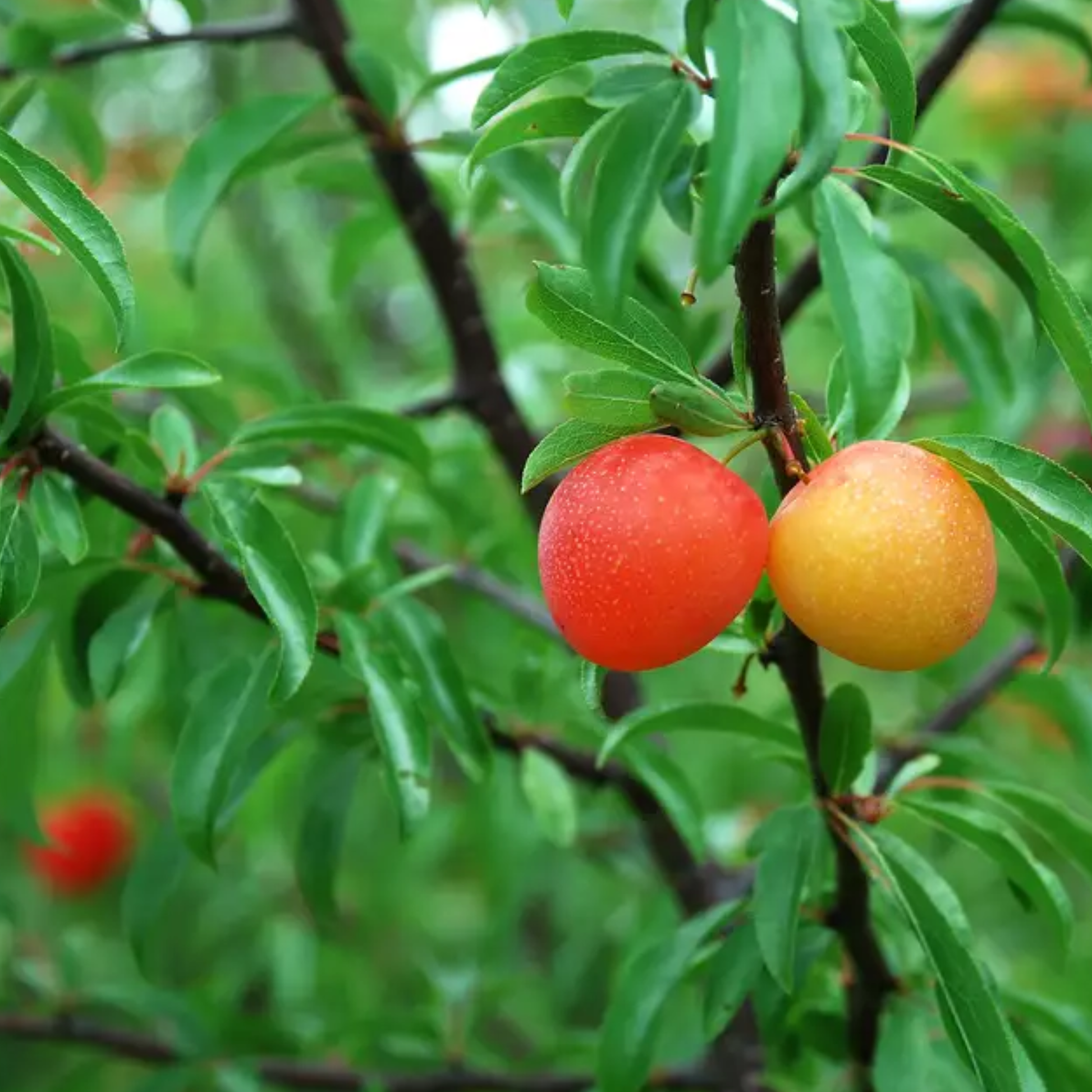
Prunus angustifolia, the Chickasaw Plum, is the earliest-flowering native Prunus in eastern North America, covering its thorny stems with masses of small white flowers in late winter and very early spring before virtually any other woody plant has stirred, at a moment when pollinators are desperate for food and the landscape has nothing else to offer. It produces small, red to yellow plums in early summer that are tart, richly flavored, and excellent for jelly, wine, and preserves while also being one of the most important early summer wildlife foods available in the southern and central United States. It spreads aggressively by root suckers to form impenetrable thorny thickets that provide the most secure nesting cover available for ground-nesting birds and the strongest escape cover for small mammals of any native shrub in its range. If you are looking to buy Chickasaw Plum seeds or grow this native plum from seed, this is the plant that earns its place faster than anything else you can establish.
- Masses of white flowers in late winter and very early spring, the first major flowering event of the season
- Small, tart, richly flavored plums in early summer excellent for jelly, wine, and preserves
- Spreads by root suckers to form dense, thorny thickets providing the most secure wildlife cover available
- Native across the southern and central United States, one of the most cold-tolerant Prunus species in the region
- One of the earliest and most important summer fruit sources for deer, turkey, foxes, and songbirds
Things you probably did not know about the Chickasaw Plum
It was one of the few fruit trees actively managed and transplanted by Indigenous peoples of the Southeast. Archaeological and historical evidence indicates that Chickasaw, Cherokee, Creek, and other southeastern nations transplanted Chickasaw Plum suckers to village edges, camp sites, and travel routes specifically for the fruit. The pattern of Chickasaw Plum distribution across the southeastern United States reflects both natural spread and deliberate human planting over centuries, making it difficult to determine where its natural range ends and its anthropogenic range begins.
The thorns make the thickets essentially impenetrable to larger predators. Chickasaw Plum thorns are sharp, straight, and densely spaced along the stems in a way that deters any mammal larger than a rabbit from pushing through a mature thicket. Northern bobwhite quail, which require dense low cover for roosting and escape, are particularly dependent on Chickasaw Plum thickets in the southern states where habitat management for quail specifically includes maintaining Chickasaw Plum patches for this reason.
The early bloom provides the first significant nectar of the year for native bees. In warm years Chickasaw Plum begins blooming in late February or early March in its southernmost range, providing the first major nectar source of the season for queen bumblebees, mining bees, and other early-emerging native bee species. The timing of this bloom before any other significant native Prunus species creates a specific ecological window where Chickasaw Plum is irreplaceable for bee populations completing their winter emergence.
The fruit is at its best for jelly at the moment it is too tart to eat raw. The high acid and pectin content of Chickasaw Plum at the stage when the fruit tastes too sour to enjoy fresh makes it one of the finest jelly fruits available. The natural pectin means jelly sets without commercial pectin additives and the flavor, a combination of tartness, richness, and wild plum complexity, is considered by many jelly makers to be superior to any commercial jam available.
Growing Details
- Botanical Name: Prunus angustifolia
- Stratification: Required, 90 to 120 days cold moist stratification
- USDA Zones: 5 to 9
- Soil: Extremely adaptable, tolerates poor, sandy, rocky, or clay soils
- Light: Full sun to partial shade
- Height: 6 to 15 feet
- Spread: Spreading aggressively by root suckers to form thickets
- Growth Rate: Fast, 1 to 2 feet per year with vigorous suckering
Plant it at a field edge or along a fence line where you want permanent native cover and early spring flowers. Remove suckers from areas where spread is not desired. Let it do everything else on its own.
Shipping Notes
- Free Standard Shipping on $100+ Orders to the USA.
- Except Preorder products are shipped in 48 hours.
- Delivery to the USA:
- Standard Shipping : 3-10 business days
- If time is of the essence, please consider selecting expedited delivery for faster service.
Exchange/Return Notes
- We offer a 30-day return/exchange service after receiving.
- Final sale items are not eligible for returns or exchanges.
- To process your return/exchange, please contact us at [email protected]
- Please click here for more details>>> Return & Exchange Policy