Shipping Estimate
USA
- USA
- CAN
- USA
- CAN
Ships within 48 hours · Estimated delivery Jul 10 - Jul 15
 Promo Codes Available:
For Your Every Summer RSVP, with Code: SUMMER15
Description
thailand giant elephant ear plants for sale Thailand Giant Elephant Ear – Plant DetectivesThailand Giant Elephant Ear (Colocasia gigantea 'Thailand Giant') Thailand Giant Elephant Ear is a massive tropical foliage plant valued for its enormous leaves, fast warm season growth, and dramatic landscape scale. Its huge gray green to blue green foliage can create a lush, resort style effect in large containers, patios, poolside plantings, moist garden beds, and tropical style landscapes. This is one of the largest elephant ears commonly grown by
Thailand Giant Elephant Ear (Colocasia gigantea 'Thailand Giant')
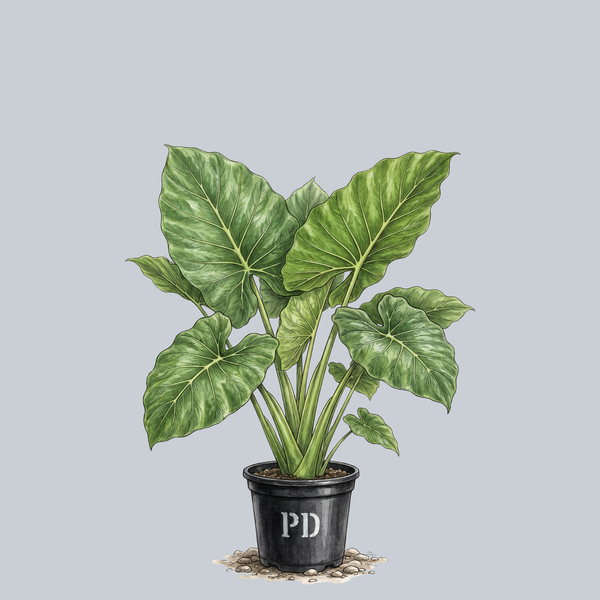
Thailand Giant Elephant Ear is a massive tropical foliage plant valued for its enormous leaves, fast warm-season growth, and dramatic landscape scale. Its huge gray-green to blue-green foliage can create a lush, resort-style effect in large containers, patios, poolside plantings, moist garden beds, and tropical-style landscapes. This is one of the largest elephant ears commonly grown by gardeners, making it best suited for spaces where its size can be fully appreciated. With warmth, rich soil, steady moisture, and sun to partial shade, Thailand Giant Elephant Ear brings bold texture and impressive height to indoor and outdoor displays.
Distinctive Features
Thailand Giant Elephant Ear produces exceptionally large, heart-shaped to arrow-shaped leaves that may reach several feet long in warm, humid, well-grown conditions. The foliage is typically dull green to gray-green or blue-green and is held on thick, sturdy petioles that support the plant's giant tropical form. It grows quickly during warm weather and can create a major focal point in a single growing season when supplied with water, fertility, and heat. Flowers may appear occasionally as a spathe and spadix, but this plant is grown primarily for its enormous foliage and commanding presence.
Growing Conditions
- Sun: Grows best in full sun to partial shade, with afternoon shade helpful in very hot or dry climates to reduce stress on the large leaves.
- Soil: Prefers fertile, humusy, organically rich soil that stays consistently moist while still supporting healthy root growth.
- Water: Performs best with regular moisture during active growth and should not be allowed to dry out completely in warm weather.
- USDA Zones: Hardy outdoors in USDA Zones 8 to 10 in protected conditions, while colder climates should treat it as a seasonal container plant or overwinter the tubers indoors.
- Mature Size: Typically reaches about 6 to 10 feet tall and 6 to 10 feet wide in favorable outdoor conditions, while container-grown plants may stay smaller.
- Habit: Forms a massive upright to spreading tropical clump with huge leaves rising from the base on thick, sturdy petioles.
Ideal Uses
- Focal Point: Use as a giant tropical focal point in large containers, patios, poolside plantings, courtyard beds, tropical-style landscapes, or spacious moist garden areas where its enormous leaves can stand out.
- Container Planting: Grow in a very large decorative pot where its massive foliage can create dramatic summer impact and be moved or protected before cold weather.
- Moist Garden: Plant in consistently moist beds, rain gardens, or protected low areas where steady moisture can support strong growth.
- Tropical Garden: Pair with cannas, bananas, caladiums, gingers, coleus, and dark-leaved elephant ears to create a lush warm-season display.
- Backdrop Planting: Use at the back of large beds or along spacious edges where its height and leaf size can frame lower tropical and seasonal plants.
Low Maintenance Care
- Watering: Water regularly during active growth to keep the soil consistently moist, especially in containers and hot summer weather.
- Mulching: Apply mulch around outdoor plants to conserve moisture, moderate soil temperature, and reduce weed competition.
- Fertilizing: Feed during the active growing season with a balanced fertilizer to support large foliage and vigorous growth.
- Wind Protection: Site in a sheltered location because strong wind can tear or damage the enormous ornamental leaves.
- Overwintering: Lift and store tubers or move containers indoors before frost in climates where the plant is not reliably hardy.
- Leaf Cleanup: Remove yellowing, torn, or frost-damaged leaves as needed to keep the plant looking clean and encourage fresh growth.
Why Choose Thailand Giant Elephant Ear?
- Enormous Foliage: Produces huge gray-green to blue-green leaves that bring unmatched tropical scale to containers and landscapes.
- Fast Warm-Season Growth: Responds quickly to heat, water, and fertility with impressive foliage production during the growing season.
- Dramatic Structure: Adds height, texture, and bold architectural presence without relying on flowers for ornamental impact.
- Moisture Loving: Performs best in consistently moist, fertile conditions where many bold tropical foliage plants thrive.
- High-Impact Display: Creates a lush resort-style effect for patios, pool areas, large beds, courtyard plantings, and tropical garden designs.
Thailand Giant Elephant Ear is an excellent choice for gardeners who want tropical foliage on a truly impressive scale. Its enormous leaves, vigorous growth, moisture-loving habit, and commanding presence make it a standout plant for large containers, patios, moist garden beds, and dramatic warm-season landscape designs.
Shipping Notes
- Free Standard Shipping on $100+ Orders to the USA.
- Except Preorder products are shipped in 48 hours.
- Delivery to the USA:
- Standard Shipping : 3-10 business days
- If time is of the essence, please consider selecting expedited delivery for faster service.
Exchange/Return Notes
- We offer a 30-day return/exchange service after receiving.
- Final sale items are not eligible for returns or exchanges.
- To process your return/exchange, please contact us at [email protected]
- Please click here for more details>>> Return & Exchange Policy