Pay in installments of $5.06 with
 ,
,
 and
and

Shipping Estimate
USA
- USA
- CAN
- USA
- CAN
Ships within 48 hours · Estimated delivery Aug 28 - Sep 2
 Promo Codes Available:
For Your Every Summer RSVP, with Code: SUMMER15
Description
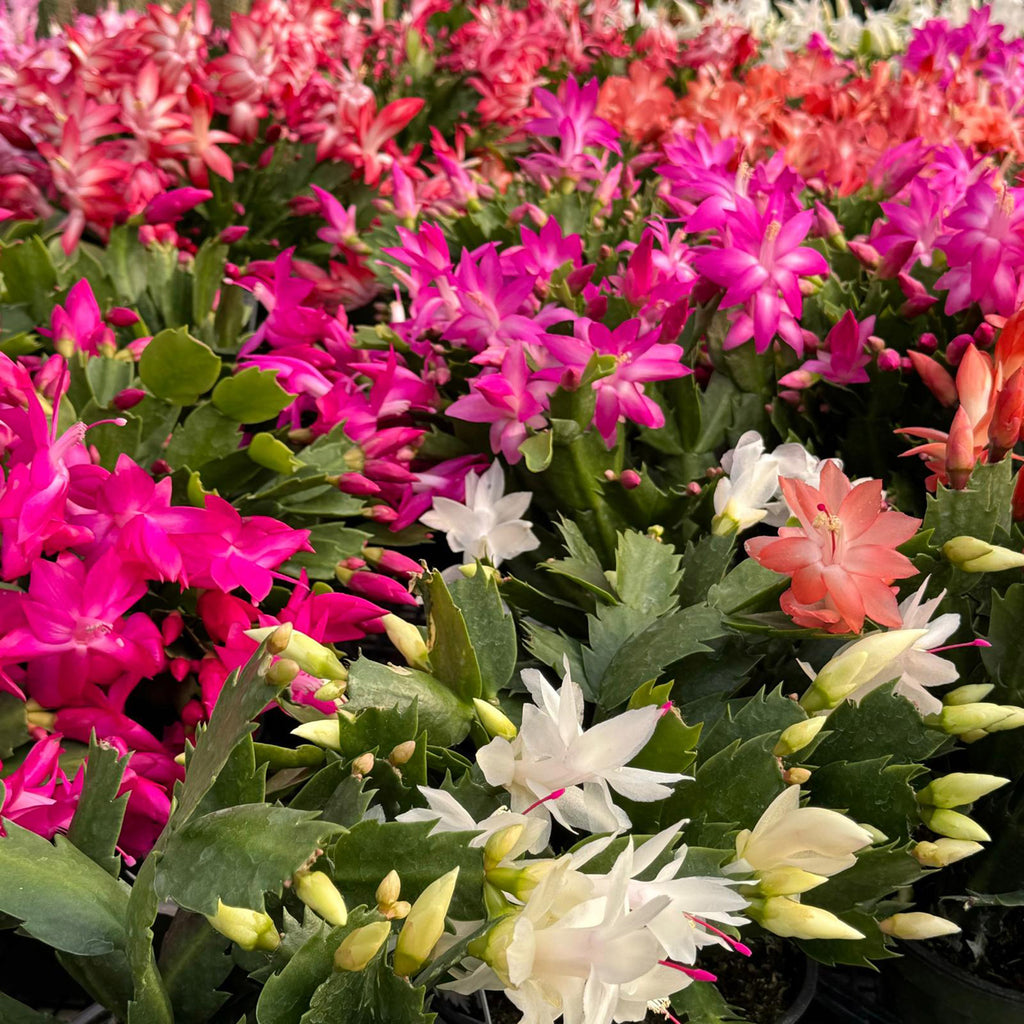
do christmas cactus like acidic soil Christmas Cactus 'Schlumbergera bridgesii'The Christmas cactus, also known as Schlumbergera bridgesii, is a tropical cactus that blooms during Christmas and into the new year and has some of the most exotic looking flowers in the plant kingdom. It is also known as the holiday cactus, zygocactus, crab cactus, or sometimes labeled as Schlumbergera x buckleyi. These holiday cactus plants make excellent holiday gifts. They usually bloom around the Thanksgiving and Christmas flowering seasons.
The Christmas cactus, also known as Schlumbergera bridgesii, is a tropical cactus that blooms during Christmas and into the new year and has some of the most exotic-looking flowers in the plant kingdom.
It is also known as the holiday cactus, zygocactus, crab cactus, or sometimes labeled as Schlumbergera x buckleyi. These holiday cactus plants make excellent holiday gifts. They usually bloom around the Thanksgiving and Christmas flowering seasons.
Native to the coastal mountains of Southeastern Brazil, these winter plants have fleshy, round-flat stem segments about 12 inches tall and 24 inches wide, resembling flattened leaves with a tiny amount of grooves on each side. The stem segments are also arranged in a cascading manner, creating an attractive hanging or trailing effect.
Pro Tip
Most Christmas Cacti sold in stores, including the ones we are currently selling are actually Thanksgiving Cactus. Nurseries usually manipulate the bloom cycle of Thanksgiving Cactus to bloom during the December holiday season. To identify the true Christmas Cactus, look for rounded leaf edges and flowers that bloom closer to late December.
Most Christmas cactus including what we are selling is probably better labeled Holiday Cactus; as they bloom during Christmas time, but are not the real Christmas cactus.
Also read our article: Why it is Hard to Find a Christmas Cactus?
When and How to Water Your Christmas Cactus
The Christmas cactus has specific watering requirements to keep it healthy and thriving. It needs a bit more watering than other regular cacti. It prefers to be kept slightly moist but not overly wet. It's important to water the cactus when the top inch of the soil feels dry to the touch. Be sure to use well-drained soil and a pot with drainage holes to prevent excess water from sitting in the roots, which can lead to rot.
During the growing season, which is typically spring and early summer, you can water the Christmas cactus Schlumbergera bridgesii more frequently, about once a week. However, during the dormant period in fall and winter, you should reduce watering to every two to three weeks or when the soil feels dry.
Remember, it's always better to underwater than overwater the Christmas cactus. Too much water can cause root rot and other issues. So, make sure to observe the moisture level of the soil and adjust your watering accordingly.
Other Holiday Cactus Types
The Thanksgiving cactus, Easter cactus, and Christmas cactus are all part of the same family, known as Schlumbergera. These three-holiday cacti share a close resemblance but have some important difference in terms of their appearance and care requirements.
Light requirements - Where to Place Your Christmas Cactus
When it comes to Christmas cactus light requirements, it thrives in bright, indirect light over direct sun. It prefers a location where it can receive bright, filtered light throughout the day. Direct sunlight can be too intense and may cause the leaves to burn or turn yellow. So, it's best to place your Christmas cactus plant indoors near a window with sheer curtains or in a spot where it can receive bright, indirect light.
If you don't have a suitable, bright location, don't worry! The Christmas cactus can tolerate lower light conditions but may not flower as abundantly. However, a 12–14-hour period of darkness in the fall can encourage blooming. Once flower buds form, move the Schlumbergera bridgesii cactus to a bright, draft-free window to promote flowering during the holiday season.
Remember, finding the right balance of light is key for the Christmas cactus. It enjoys bright, indirect light but can also tolerate lower light conditions. Just be sure to avoid direct sunlight to prevent leaf burns.
General Tips for Growing a Christmas Cactus
- Give your Christmas cactus some "me time" in a cool room to encourage blooming.
- Create a festive atmosphere by providing it with shorter daylight hours during the blooming season.
- Show off its beauty by placing it in a hanging basket or on a high shelf.
- Don't be afraid to experiment with different colored varieties, like pink, red, or even yellow.
- Enjoy the anticipation of its blooming by misting it with water to increase humidity.
- Spread the holiday cheer by propagating new plants from stem cuttings to share with friends.
Optimal Soil & Fertilizer Needs
Christmas cacti prefer very airy, porous, nutrient-rich soil with a pH of 5.6–6.5. Cacti require fast-draining soil that dries completely between waterings. Your soil must have a sandy texture and a low water-holding capacity, just like desert soil. Soggy soil or wet soil can damage your cactus and contribute to bacterial and fungal rot.
As an alternative, you can create your own potting mix by combining equal portions of perlite, coarse sand, and good natural potting soil. Ideally, you want to use our best soil for Christmas cactus, which is a specialized cactus potting mix that contains 5 natural substrates and organic mycorrhizae to promote the development of a strong root system that helps your Christmas cactus potting mixture thrive.
As for fertilizing, the Christmas cacti Schlumbergera bridgesii prefer minimal feeding. During the growing season, which is typically spring, you can fertilize your cactus once a year with a balanced houseplant fertilizer (5-10-5). During the dormant period in fall and winter, you can reduce or stop fertilizing altogether. This allows your Christmas cactus to rest and prepare for the upcoming blooming season.
Hardiness Zone & More
The Christmas cactus is native to the tropical rainforests of Brazil and can grow both indoors and outdoors. When grown indoors, it prefers a moderate temperature range of 60 to 70 degrees Fahrenheit, making it a perfect indoor plant.
As for hardiness zones, the Christmas cactus is a tropical plant typically grown as a houseplant and is not frost-tolerant. However, if you live in a region with mild winters like USDA hardiness zones 10–12, your Christmas cactus grows outdoors in a shaded or partially shaded area during the warmer months.
It can tolerate temperatures as low as 50°F, but prolonged exposure to colder temperatures can damage the plant. This pink Christmas cactus plant needs low nighttime temperatures between 55°F and 65°F and at least 13 hours of darkness for flowering and should be kept away from heating vents, frequently opened doors, and drafty windows. So, it's best to keep your Christmas cactus in a warm and cozy spot in your home.
In terms of humidity, the Christmas cactus enjoys moderate humidity levels. It can tolerate drier conditions, but higher humidity can promote better growth and prevent the edges of the leaves from drying out. To increase humidity around your Christmas cactus, you can place a tray filled with water near the Schlumbergera bridgesii or use a humidifier in the room.
Christmas Cactus Flowers - Blooming Tips
The holiday cacti we ship around Christmas arrive already blooming, bringing instant festive cheer to your home. The Christmas cactus blooms are unique and fascinating because they can produce multiple flowers with a long bloom time. This means that you can see several stunning blooms sprouting from just one point on the cactus from late November all the way to March, creating a breathtaking display of color. If you’d like them to bloom again next year—or even during Easter or Thanksgiving—follow these care tips.
The Christmas cactus can tolerate lower light conditions, but it may not flower as abundantly. In fact, a period of darkness for about 12–14 hours a day for 6–8 weeks in the fall can encourage blooming.
Once flower buds form, move the Schlumbergera bridgesii to a bright, draft-free window.
So, you can place your Christmas cactus in a cooler location or a room that is darkened during the evening hours to promote flowering during the holiday season.
The Christmas cactus blooms in response to changes in light and temperature. As the days get shorter and the temperatures cool down, it signals the plant to produce buds and, eventually, flowers. So, the combination of shorter days and cooler temperatures triggers your Schlumbergera bridgesii Christmas cactus to bloom.
Wildlife - Christmas Cactus Attracts the Following Friendly Pollinators
The Christmas Cactus attracts a variety of pollinators, particularly hummingbirds, bees, butterflies, and certain species of moths. Its vibrant, tubular flowers, which bloom in shades of red, pink, white, or orange, are perfectly shaped for nectar-feeding birds with long beaks.
According to the ASPCA, the Christmas Cactus is non-toxic to humans, cats, dogs, and horses. This makes it a pet-friendly choice for households with furry companions.
Christmas Cactus Propagation
For Christmas cactus propagation, you can start by taking stem cuttings. Simply snip a healthy segment of the cactus with a clean pair of scissors. Allow a day or two for the cut end to callus over. Then, place the cutting in a well-draining potting mix and lightly water it. Keep the soil slightly moist and provide bright, indirect light. With time and proper care, the cutting will develop roots and grow into a new Christmas cactus. It's a rewarding way to expand your collection or share the beauty of these lovely holiday plants with friends and family!
Key Takeaways
- Give your Christmas cactus some "me time" in a cool room to encourage blooming. Enjoy the anticipation of its blooming by misting it with water to increase humidity.
- The Christmas cactus, Schlumbergera bridgesii, is a beautiful and unique cactus plant that brings joy and festive vibes to our homes during the holiday season.
- With its striking flowers and easy-care requirements, it's a popular choice for plant lovers and beginners alike.
- Whether you're propagating new plants, dealing with common pests, or simply enjoying its vibrant blooms, the Christmas cactus is a delightful addition to any plant collection.
- So, let's embrace the holiday spirit and continue to cherish the beauty of the Schlumbergera bridgesii Christmas cactus!
The Bottom Line
Overall, the Christmas Cactus (Schlumbergera bridgesii) is a beloved holiday plant known for its elegant, tubular flowers and lush, segmented green foliage. Perfect for adding festive color to homes, it thrives with minimal care, making it an ideal choice for plant enthusiasts and beginners alike. This plant flourishes in bright, indirect light and prefers well-draining soil with moderate watering to avoid root rot. Its ability to bloom during the winter months, with proper care and temperature adjustments, ensures it remains a centerpiece of holiday décor. Whether given as a thoughtful gift or kept as a treasured houseplant, the Christmas Cactus brings enduring beauty and charm to any space.
Shipping Notes
- Free Standard Shipping on $100+ Orders to the USA.
- Except Preorder products are shipped in 48 hours.
- Delivery to the USA:
- Standard Shipping : 3-10 business days
- If time is of the essence, please consider selecting expedited delivery for faster service.
Exchange/Return Notes
- We offer a 30-day return/exchange service after receiving.
- Final sale items are not eligible for returns or exchanges.
- To process your return/exchange, please contact us at [email protected]
- Please click here for more details>>> Return & Exchange Policy