Pay in installments of $5.45 with
 ,
,
 and
and

Shipping Estimate
USA
- USA
- CAN
- USA
- CAN
Ships within 48 hours · Estimated delivery Jul 21 - Jul 26
 Promo Codes Available:
For Your Every Summer RSVP, with Code: SUMMER15
Description
small flower that looks like a lily Lily Looks™ Tiny Bee Asiatic LilyLily Looks Tiny Bee Asiatic Lily! The Lily Looks Tiny Bee Asiatic Lily PP#16255 (Lilium asiatic 'Tiny Bee') is a dwarf Asiatic Lily, prized for its brilliant yellow blooms speckled with deep maroon spots. As part of the Lily Looks series, this variety is specially bred for high bud count, compact size, and reliable blooming, making it a perfect choice for small sun gardens. Asiatic Lilies are some of the earliest Lilies to bloom, bringing vibrant
Lily Looks™ Tiny Bee Asiatic Lily!
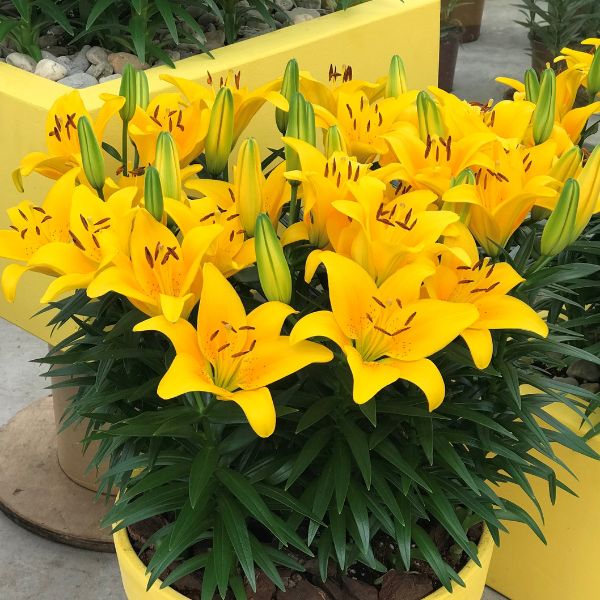
The Lily Looks™ Tiny Bee Asiatic Lily PP#16255 (Lilium asiatic 'Tiny Bee') is a dwarf Asiatic Lily, prized for its brilliant yellow blooms speckled with deep maroon spots. As part of the Lily Looks™ series, this variety is specially bred for high bud count, compact size, and reliable blooming, making it a perfect choice for small sun gardens.
Asiatic Lilies are some of the earliest Lilies to bloom, bringing vibrant color to the garden from early to mid-summer. The Lily Looks™ Tiny Bee Asiatic Lily stands out with its dwarf habit, growing just 12-14 inches tall, making it a perfect fit for small-space gardening!
Key Benefits
- Compact and Space-Saving – Grows 12-14 inches tall and 10-12 inches wide, perfect for small gardens and patio containers.
- Vibrant Yellow Blooms – Bright golden-yellow flowers with deep maroon speckling provide bold summer color.
- Early Season Bloomer – One of the first Lilies to bloom, adding color to the garden in early to mid-summer.
- Drought-Tolerant & Easy to Grow – Thrives with minimal watering once established.
- Pollinator-Friendly – Attracts butterflies and hummingbirds, enhancing biodiversity.
- Deer and Rabbit Resistant – Natural resistance to browsing animals makes it an excellent choice for wildlife-prone areas.
- Low-Maintenance Perennial – Returns year after year, multiplying to create larger clusters over time.
- Ideal for Cut Flowers – Long-lasting blooms and sturdy stems make them perfect for floral arrangements.
Landscaping With Lily Looks™ Tiny Bee Asiatic Lily
This easy-care Lily is deer-resistant, drought-tolerant, and attracts pollinators like butterflies and hummingbirds. Its upright, sturdy stems keep the flowers well-supported, making it an excellent choice for cut flower arrangements. With minimal maintenance requirements and a long-lasting bloom period, the Tiny Bee Asiatic Lily is an ideal addition to both beginner and expert gardens alike! Use it in:
- Borders and Edging – Creates a neat, colorful front-of-bed planting that pairs well with other perennials.
- Container Gardening – The dwarf size makes it an excellent choice for patio planters and small-space gardens.
- Rock Gardens – Thrives in well-drained soil, adding a bold pop of color among stones and gravel.
- Mixed Perennial Beds – Complements Coneflowers, Salvia, and Daylilies, providing continuous color throughout the season.
- Cut Flower Gardens – Produces long-lasting, sturdy-stemmed blooms ideal for bouquets and floral arrangements.
- Mass Plantings – Plant in groups for a striking, high-impact display of golden yellow in early summer.
How To Care For Lily Looks™ Tiny Bee Asiatic Lily
This easy-to-grow Lily requires little maintenance while offering seasonal beauty year after year. They are hardy perennials, thriving in full sun and well-drained soil, and they multiply readily, forming larger clumps over time for an ever-expanding display. Follow these simple care tips for best results:
- Sun Exposure – Thrives in full sun, requiring at least 6 hours of direct sunlight daily.
- Soil Requirements – Prefers well-drained, fertile soil but avoid soggy or heavy clay conditions to prevent bulb rot.
- Watering – Keep soil moderately moist during active growth; once established, it is drought-tolerant.
- Fertilization – Apply a balanced, slow-release fertilizer in early spring to support strong growth and blooms returning year after year.
- Mulching – A 3-4 inch layer of mulch helps retain moisture and regulate soil temperature. Both in pots and in the ground!
- Deadheading – Remove spent blooms to encourage continued flowering and keep plants looking tidy.
- Dividing & Propagation – Asiatic Lilies multiply naturally; divide clumps every 3-4 years if overcrowding occurs.
Bold Gold Blooms!
The Lily Looks™ Tiny Bee Asiatic Lily is a must-have for gardeners who want brilliant color, compact size, and easy maintenance. As a hardy, drought-tolerant perennial, it delivers seasonal beauty year after year!
Planted in any sized garden, this bright yellow Asiatic Lily adds early summer vibrancy, attracts pollinators, and resists deer and rabbits. Now available at Nature Hills Nursery!
Shipping Notes
- Free Standard Shipping on $100+ Orders to the USA.
- Except Preorder products are shipped in 48 hours.
- Delivery to the USA:
- Standard Shipping : 3-10 business days
- If time is of the essence, please consider selecting expedited delivery for faster service.
Exchange/Return Notes
- We offer a 30-day return/exchange service after receiving.
- Final sale items are not eligible for returns or exchanges.
- To process your return/exchange, please contact us at [email protected]
- Please click here for more details>>> Return & Exchange Policy