Pay in installments of $6.03 with
 ,
 and

Shipping Estimate
USA
- USA
- CAN
- USA
- CAN
Ships within 48 hours · Estimated delivery Oct 25 - Oct 30
 Promo Codes Available:
For Your Every Summer RSVP, with Code: SUMMER15
Description
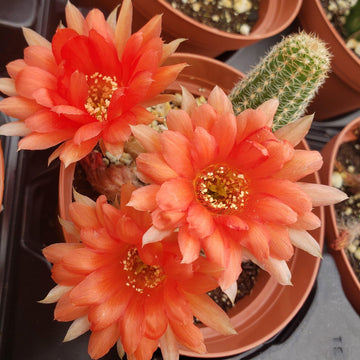
succulent type plant with orange flowers Peanut Cactus ‘Echinopsis chamaecereus’The Peanut cactus, also known as Echinopsis chamaecereus, is a small, clump forming succulent with trailing, finger like stems that resemble peanuts. It spreads over time, making it perfect for hanging baskets and containers. Native to Argentina, the Peanut Cactus is a small, clump forming species with elongated, finger like stems that resemble peanuts, hence its name. These stems are green with numerous ridges lined with soft, white spines, giving
The Peanut cactus, also known as Echinopsis chamaecereus, is a small, clump-forming succulent with trailing, finger-like stems that resemble peanuts. It spreads over time, making it perfect for hanging baskets and containers.
Native to Argentina, the Peanut Cactus is a small, clump-forming species with elongated, finger-like stems that resemble peanuts, hence its name. These stems are green with numerous ridges lined with soft, white spines, giving the plant a fuzzy appearance.
Unlike many cacti with sharp spines, the Peanut Cactus has relatively soft and harmless spines, making it an ideal choice for households with pets or children.
Over time, it forms dense clusters, creating a cascading effect when grown in containers or hanging pots.
This compact Echinopsis peanut cactus remains relatively small, making it perfect for container gardening.
Mature specimens typically grow up to 6 inches tall, but their spreading and trailing stems can extend up to 12 inches or more.
This growth habit allows it to spill over the edges of pots, making it a visually appealing addition to any succulent collection.
The brilliant, funnel-shaped flowers of Echinopsis chamaecereus are among their most remarkable characteristics. These blooms are typically bright orange-red, creating a stunning contrast against the green stems.
The peanut cactus flowers emerge in profusion during late spring and early summer, they open during the day and close at night, attracting pollinators such as bees and butterflies. Under optimal growing conditions, the Peanut Cactus can produce multiple flushes of flowers throughout the warmer months.
When and How to Water Your Peanut Cactus
The Peanut Cactus is an extremely drought-tolerant plant that thrives in dry conditions, making it a low-maintenance choice for succulent enthusiasts. It stores moisture in its thick stems, allowing it to survive extended dry spells. Overwatering can be detrimental, leading to root rot and other fungal issues. Instead, it is best to allow the soil to dry out completely between waterings.
From spring to early fall, during the active growing season, the Peanut Cactus requires slightly more frequent watering once every two to three weeks is sufficient in warm conditions. It is best to water deeply but infrequently, ensuring that excess water drains out completely. The ideal method is to check the soil’s moisture level by inserting a finger or using a moisture meter before watering. If the soil is still damp, it's best to wait a few more days before the next watering session.
In winter, the Peanut Cactus enters a dormant period, during which it requires minimal water. At this stage, watering should be reduced significantly, about once every four to six weeks, or only when the cactus shows signs of dehydration. Keeping the plant dry during colder months prevents root rot and ensures a healthy cycle when the growing season returns.
Light Requirements – Where to Place Your Peanut Cactus
For indoor growth as a houseplant, the Peanut Cactus requires bright, indirect light for optimal growth.
A south-facing or east-facing window is ideal, as it provides ample sunlight without direct midday exposure, which could cause sunburn.
If natural light is insufficient, supplementing with a grow light is recommended to ensure at least 6 to 8 hours of light per day.
Indoor Peanut Cactus plants also benefit from occasional exposure to fresh air, which helps with their overall health.
During the growing season, applying NPK fertilizer once a year, in the spring, helps promote healthy growth and flowering.
Avoid high-nitrogen fertilizers, as they encourage excessive stem growth at the expense of blooms. Fertilization should be stopped during the plant’s dormant season in winter.
Hardiness Zones & More
When grown indoors as a houseplant, the hanging Peanut Cactus thrives in temperatures ranging between 60-80°F. It prefers low to moderate humidity levels, making it suitable for most indoor environments. Proper airflow is crucial to prevent fungal growth, so avoid placing it in overly humid rooms like bathrooms.
In the United States, this is mostly an indoor plant, but if you live in southern Florida or Hawaii, then you can cultivate it outdoors in USDA zones 9-11.
In colder zones, you should bring your peanut cactus indoors or grow it in containers to protect it from frost damage.
Additionally, they are considered hardy plants that can withstand neglect and occasional drought conditions, making them a low-maintenance option for indoor or outdoor cultivation.
Wildlife – Peanut Cactus Flowers Attract the Following Friendly Pollinators
The vibrant orange-red blooms of the Peanut Cactus attract a variety of pollinators, including bees, butterflies, and hummingbirds. These pollinators are drawn to bright flowers, which provide a valuable nectar source.
According to ASPCA, Echinopsis chamaecereus is non-toxic to humans, cats, dogs, and horses, making it a safe choice for pet-friendly households. This plant is a great option for those looking to add a touch of greenery to their home without worrying about potential harm to their furry friends.
How to Propagate Your Peanut Cactus
To propagate your peanut cactus, you can easily do so by taking stem cuttings from the plant, as they root quickly and establish new plants easily. Cuttings should be taken in spring or summer. Make sure to allow the cuttings to callous over for a few days before planting them in well-draining soil. Keep the soil slightly moist and place the cuttings in a warm, bright location to encourage root growth. With proper care, your peanut cactus cuttings should take root and begin to grow into new plants.
Key Takeaways
- The Peanut Cactus is a small, clump-forming succulent with trailing, finger-like stems that resemble peanuts. It spreads over time, making it perfect for hanging baskets and containers.
- This cactus produces stunning, bright orange-red, funnel-shaped flowers in late spring and early summer, often blooming profusely under the right conditions.
- Like many succulents, Peanut Cactus is highly drought-tolerant and requires minimal watering. It thrives in well-draining soil and prefers dry conditions between waterings.
- The Peanut Cactus propagates easily from stem cuttings. Detached stems root quickly in dry soil, making it simple to grow new plants from cuttings.
The Bottom Line
Overall, the Peanut Cactus (Echinopsis chamaecereus), is a delightful and versatile plant that captivates growers with its compact size, prolific flowering, and easy care. Its soft spines, bright blooms, and trailing growth habit make it a standout choice for both indoor and outdoor settings. Whether grown as a houseplant, in a rock garden, or as part of a succulent arrangement, this resilient cactus continues to charm plant lovers worldwide. With minimal maintenance and the right growing conditions, the Peanut Cactus will thrive and reward gardeners with its stunning floral displays year after year. With its pet-friendly nature and simple propagation, this cactus is a fantastic addition to any succulent collection. Order your very own Peanut cactus for sale today!
Shipping Notes
- Free Standard Shipping on $100+ Orders to the USA.
- Except Preorder products are shipped in 48 hours.
- Delivery to the USA:
- Standard Shipping : 3-10 business days
- If time is of the essence, please consider selecting expedited delivery for faster service.
Exchange/Return Notes
- We offer a 30-day return/exchange service after receiving.
- Final sale items are not eligible for returns or exchanges.
- To process your return/exchange, please contact us at [email protected]
- Please click here for more details>>> Return & Exchange Policy