Pay in installments of $5.86 with
 ,
,
 and
and

Shipping Estimate
USA
- USA
- CAN
- USA
- CAN
Ships within 48 hours · Estimated delivery Oct 21 - Oct 26
 Promo Codes Available:
For Your Every Summer RSVP, with Code: SUMMER15
Description
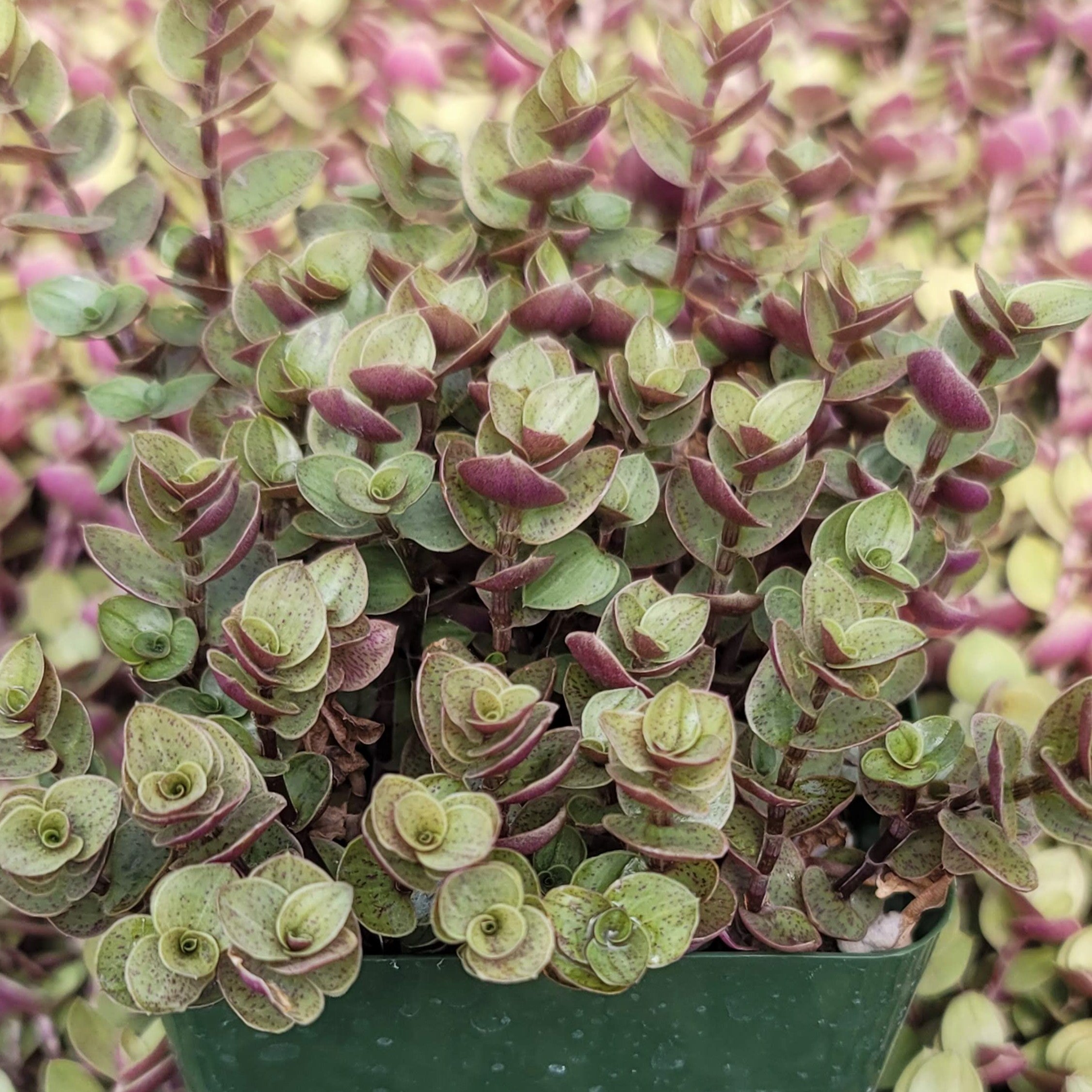
creeping inch plant indoor or outdoor Creeping Inch PlantIntroducing the stunning Creeping inch plant, known as Callisia repens Gold, which is a miniature trailing plant that adds a touch of vibrant gold hues to any indoor or outdoor space. Belonging to the Bolivian Wandering Jew family, this variety of Callisia repens is also known as bolivian jew or turtle vine. Native to South and Central America, the creeping inch plant is a popular choice for hanging baskets, terrariums, or ground cover in gardens. The
Introducing the stunning Creeping inch plant, known as Callisia repens Gold, which is a miniature trailing plant that adds a touch of vibrant gold hues to any indoor or outdoor space. Belonging to the Bolivian Wandering Jew family, this variety of Callisia repens is also known as bolivian jew or turtle vine.
Native to South and Central America, the creeping inch plant is a popular choice for hanging baskets, terrariums, or ground cover in gardens.
The Callisia repens turtle vine has other varieties like the Pink Lady (Callisia repens variegated) and Pink Panther (Tradescantia Callisia repens), which are known for their beautiful pink foliage and trailing growth habit.
This creeping inch plant Callisia repens is characterized by its bright golden-yellow foliage, which stands out beautifully against its trailing stems.
The stunning golden oval-shaped leaves contrasted with a pink or purple underside are a true show-stopper. It contrasts well with its purple stems.
Callisia repens plant has a typical bushy growth with trailing habit. It is a miniature plant that grows between 4 to 12 inches tall.
The flowers of the creeping inch plant bloom during summer and fall with small white flowers. These flowers add a delicate touch to the creeping plant's overall appearance. So, along with its vibrant golden leaves, you can enjoy the occasional blooms of this lovely plant.
When and How to Water Your Creeping Inch Plant
Like other Callisia repens varieties, the creeping inch plant does not need too much water. The best way of Callisia repens gold is to water it adequately when the soil is completely dry. It's important to strike the right balance to keep this beautiful creeping inch plant happy and healthy.
As a general rule, it's best to keep the soil evenly moist but not overly saturated. Overwatering can lead to root rot, so it's crucial to allow the top inch of soil to dry out between waterings. Gently press your finger into the soil to measure the moisture content. It's time to water if it seems dry.
In the spring and summer, during the drowing season, your creeping inch plant Callisia repens gold prefers consistent moisture. During warmer months, you may need to water more frequently, while in cooler months, you can reduce the frequency.
Light Requirements - Where to Place Your Creeping Inch Plant
If you are growing Callisia repens indoors, placing it near a window in partial shade or in a well-lit room would be ideal. An essential aspect of creeping inch plant care is that it should be placed in a place where it is exposed to bright but indirect or filtered sunlight. It thrives in a spot with moderate to high light levels, but direct sunlight should be avoided as it can scorch the leaves.
When grown outdoors, the creeping inch plant can handle partial shade to full sun, but it prefers bright, indirect light or dappled sunlight.
Find a spot that receives 4-6 hours of morning or late afternoon sun, while providing some shade during the hottest part of the day. This will help prevent the leaves from burning or drying out.
If you notice that your creeping inch Callisia repens leaves start to lose their vibrant golden color or become pale, it may be an indication that it needs more light. On the other hand, if the leaves start to turn brown or develop sunburn spots, they may be getting too much direct sunlight.
Pro Tip
Callisia repens is suited for outdoor cultivation only in specific regions like southern Florida and Hawaii, where the warm, tropical climate matches its needs. In all other regions, it thrives best as a charming indoor houseplant.
Additionally, make sure to rotate your Callisia repens occasionally to ensure even growth and prevent it from leaning toward the light source. These creeping inch plant care tips will help to maintain its compact and trailing form. Providing this Callisia repens gold with the right amount of light will contribute to its overall health and enhance the beauty of its golden foliage.
Optimal Soil & Fertilizer Needs
To keep your creeping inch plant Callisia repens Gold happy, you'll want to provide it with well-draining soil and the right kind of fertilizer. It is best to use a succulent potting mix for the Callisia repens plant. Planting them in ordinary soil will result in compacted roots, stunted growth, and most likely root rot. Instead, make or buy a well-draining potting mix, or ideally use our specialized succulent potting mix that contains 5 natural substrates and mycorrhizae to promote the development of a strong root system that helps your succulent to thrive.
When it comes to fertilizing your creeping inch plant, you can use a balanced (5-10-5), water-soluble natural NPK fertilizer. Feed your Callisia repens once a year during the growing season in the spring. During the dormant season (fall and winter), you can reduce or even stop fertilizing, as the plant's growth slows down. Always remember to water your inch plant before applying fertilizer to avoid any potential root burn.
Hardiness Zone & More
The creeping inch plant is typically grown indoors as a houseplant. Native to tropical regions of North and south America, it is not frost-hardy and prefers temperatures between 65-75°F. This Callisia repens thrives in average room temperatures and can tolerate slightly cooler temperatures, but it's best to avoid extreme temperature fluctuations.
For outdoor cultivation, your Callisia repens gold, is generally hardy in USDA zones 10-11, only in specific regions like southern Florida and Hawaii, where the warm, tropical climate matches its needs.
If you live in a colder climate, it's recommended to keep your creeping inch plant indoors in a hanging pot or provide it with protection during colder months.
In terms of humidity, the gold creeping inch plant prefers moderate to high humidity levels. You can increase humidity by placing a tray of water near your turtle vine plant or by using a humidifier. Misting the leaves with water can also help create a more humid environment.
Remember to monitor the temperature and humidity levels to ensure the optimal conditions for your gold creeping inch plant's growth and well-being.
Wildlife - Creeping Inch Plant Attracts the Following Friendly Pollinators
The creeping inch plant has small yet vibrant blooms that attract several friendly pollinators, making it an excellent choice for pollinator-friendly gardens. Bees, butterflies, hummingbirds, and other beneficial insects are commonly seen visiting the flowers, helping to support biodiversity and maintain the ecosystem balance. Whether planted in pots, hanging baskets, or ground covers, this plant invites these vital pollinators to your outdoor spaces.
According to the ASPCA, the creeping inch plant is mildly toxic to cats, dogs, and horses if ingested in a large amount. It contains compounds that may cause skin irritation or gastrointestinal upset, such as vomiting or diarrhea, in pets. For pet owners, keeping the plant in elevated spots or using hanging baskets can help ensure both your plant and furry friends remain safe.
How to Propagate Your Creeping Inch Plant
To propagate a creeping inch plant, start by selecting a healthy stem with at least a few nodes. Using clean scissors or pruning shears, cut a stem just below a node, as this is where roots will form. Remove the lower leaves to expose the nodes and either place the stem directly in water or plant it in moist, well-draining soil. If propagating in water, ensure the nodes are submerged, and roots should appear within a week or two. For soil propagation, keep the soil consistently moist but not soggy, and place the cutting in bright, indirect light. Once roots are established, the new plant can be potted or planted in its desired location. This easy process makes the creeping inch plant perfect for beginners or those looking to expand their indoor or outdoor plant collection.
Key Takeaways
- In the United States, the creeping inch plant is primarily grown indoors due to its sensitivity to colder temperatures. However, it can thrive outdoors in regions with milder climates such as Southern Florida and Hawaii.
- The creeping inch plant showcases a low-growing, trailing habit, making it perfect for ground covers, hanging baskets, or cascading from planters in both indoor and outdoor settings.
- Its hardy, fleshy leaves retain moisture, enabling the plant to thrive in drought-prone conditions with minimal watering.
- The ‘Gold’ variety is known for its eye-catching golden and green variegation, adding a pop of color and visual interest to rock gardens, xeriscaping projects, and modern interiors.
- Adaptable to a wide range of light conditions, from bright indirect light to partial shade, this plant is a low-maintenance choice for beginner gardeners and plant enthusiasts alike.
Final Thoughts
Overall, the creeping inch plant (Callisia repens gold) is a lovely and versatile houseplant that can bring a touch of greenery and beauty to any space. With its trailing stems, vibrant golden leaves, and easy care requirements, it's a popular choice among plant enthusiasts. Additionally, being mindful of minimal watering, and optimal light, and providing proper drainage can help prevent fungal diseases and promote healthy growth. Callisia Repens 'Gold' is a highly recommended plant for those without a green thumb or those seeking a unique creeping basket plant to their collection because of its stunning coloring, and fast growth.
Don't miss out on adding the Callisia repens Gold - Creeping inch plant to your garden! Order now and enjoy its beauty for years to come.
Shipping Notes
- Free Standard Shipping on $100+ Orders to the USA.
- Except Preorder products are shipped in 48 hours.
- Delivery to the USA:
- Standard Shipping : 3-10 business days
- If time is of the essence, please consider selecting expedited delivery for faster service.
Exchange/Return Notes
- We offer a 30-day return/exchange service after receiving.
- Final sale items are not eligible for returns or exchanges.
- To process your return/exchange, please contact us at [email protected]
- Please click here for more details>>> Return & Exchange Policy