SKU: 5521431763
seeding basil plants

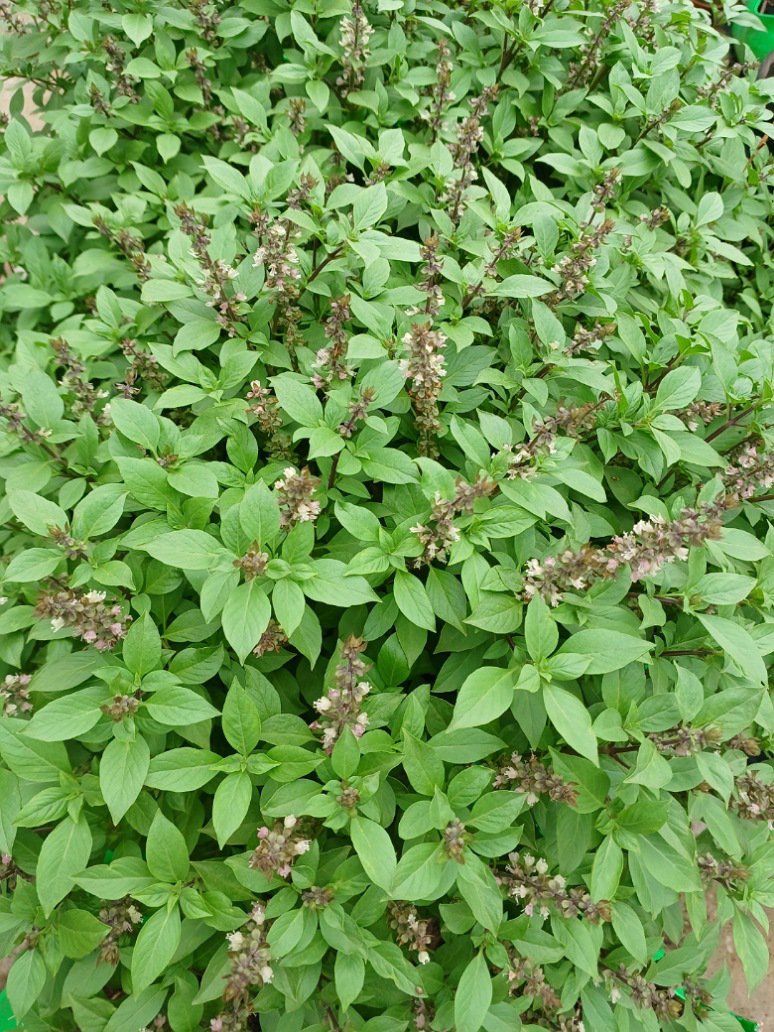
seeding basil plants Thai Basil Plant Seed Open Pollination – seed and plant

Sale price$26.16 Regular price$29.07
Save 10%

Pay in installments of $7.27 with ShopPay, AfterPay and Klarna

Shipping Estimate
USA
  • USA
  • CAN

Ships within 48 hours · Estimated delivery Oct 16 - Oct 21

Promo Codes Available:

For Your Every Summer RSVP, with Code: SUMMER15

Description

seeding basil plants Thai Basil Plant Seed Open Pollination – seed and plantWhat Will You Have In The Product? Seed quantity 50 Thai basil has a unique fragrances. Its smell sread a positive aroma in surrounding. Best Month to Sow Thai Basil Seeds in India Thai basil seeds thrive when sown during spring and summer, typically from February to June in India. Warm temperatures and ample sunlight during these months create ideal conditions for organic seed germination and healthy plant growth. Different Names of Thai Basil in

What Will You Have In The Product?

Seed quantity- 50

Thai basil has a unique fragrances. Its smell sread a positive aroma in surrounding.

Best Month to Sow Thai Basil Seeds in India

  • Thai basil seeds thrive when sown during spring and summer, typically from February to June in India.
  • Warm temperatures and ample sunlight during these months create ideal conditions for organic seed germination and healthy plant growth.

Different Names of Thai Basil in India

  • Thai basil is often referred to as "Thai Tulsi" or "Asian Sweet Basil" in India.
  • It is recognized for its distinct licorice-like aroma and is widely used in Asian cuisine and organic gardens.

Health Benefits of Thai Basil:

Thai basil is a powerhouse of organic nutrients and medicinal properties, offering numerous benefits:

  • Rich in Antioxidants: Adding thai basil in diet, it protects against free radicals, promoting healthier skin and a stronger immune system.
  • Anti-Inflammatory Properties: Thai basil leaves helps in reducing inflammation and soothe joint pain.
  • Digestive Support: Improves gut health by aiding digestion and reducing bloating.
  • Boosts Immunity: Thai basil plant contains essential oils and vitamins to strengthen the body's natural defenses.
  • Stress Relief:Help reduce stress and promote relaxation because of adaptogenic compounds content.

Culinary Uses of Thai Basil

Thai basil is an essential herb in Asian organic cuisine, known for its vibrant flavor and aroma. Some popular culinary applications include:

  • Soups and Curries: Enhances the taste of Thai green curry, Tom Yum soup, and laksa.
  • Stir-Fries: Adds an authentic Thai touch to vegetable and chicken stir-fries.
  • Noodles and Rice Dishes: Leaves of Thai Basil plant is perfect for garnishing Pad Thai, fried rice, and pho.
  • Herbal Drinks: Leaves of Thai basil plant  is used in organic teas and mocktails for a refreshing flavor.
  • Salads: Adds a unique twist to fresh vegetable and noodle salads.

Medicinal Uses of Thai Basil

Thai basil has been used in traditional organic medicine for its therapeutic properties:

  • Respiratory Health: Eases symptoms of cold, cough, and asthma.
  • Oral Hygiene: Acts as a natural remedy for bad breath and gum infections.
  • Anti-Bacterial Effects: Helps fight infections and promotes faster wound healing.
  • Mental Wellness: Reduces anxiety and enhances focus through its calming aroma.

Step-by-Step Organic Guide to Sowing Thai Basil Seeds:

  • Ideal Soil Type for Thai Basil or Soil Preparation For Sowing  Herb Thai Basil Seeds: Use organic, well-drained soil enriched with compost or vermicompost. Ensure a pH of 6.0–7.5 for optimal growth.
  • Seed Sowing: Scatter thai basil seeds on the soil surface and lightly press them with palm. Do not cover this herb seed deeply, as they need light for germination.
  • Watering Requirements for Thai Basil: With sprayer water bottle moist the soil properly. Once the seed becomes seedlings and then turn into thai basil plant provide moderate water consistently 2 to 3 times in a week. Allow the top soil dry before provide water to the Thai basil plant.
  • How Many Hours of Sunlight Does Thai Basil Need?Thai basil requires 6–8 hours of full sunlight daily. Adequate sunlight promotes vibrant foliage and enhances the herb's flavor. 
  • Germination: Thai basil seeds germinate within 7–14 days under warm conditions.
  • Thinning: Once seedlings reach 2–3 inches, thin them out to provide adequate space for healthy growth.

Transplanting Thai Basil Seedlings

  • When seedlings attains a height of 3–4 inches, it will be the proper time to transplant them into a sunny, organic garden bed. If you have limited space you can transplant in container with proper spacing of 12–18 inches. Use organic mulch to retain moisture and suppress weeds.

How to Harvest Thai Basil leaves?

  • At what height harvesting of thai basil should be stated? Thai basil can be harvested once the plant is 6–8 inches tall, usually after 60–75 days after  thai basil seeeds sowing  attains a height of 6-8 inches. Then thai basil leaves can be harvested for using.
  • Time of harvesting basil plant: Pick thai basil leaves when their oil content is highest and it is in the morning time.
  • Snip Regularly To The Basil Leaves: Trimming the top leaves encourages bushier growth and prevents flowering.
  • Use Fresh or Dry: Fresh leaves are best for cooking, while dried leaves are ideal for long-term storage.

How to Care for Thai Basil Plants?

  • Which fertizer us best for growing herb thai basil : Use organic liquid fertilizers like seaweed extract or compost tea every 3–4 weeks. Using organic fertilizer can 
  • How to make Thai basil plant mote bushy?  Regularly prune the tops to maintain a bushy, healthy plant.
  • How to Control Pest On Thai Basil? Thai basil is naturally pest-resistant but may attract aphids or whiteflies. Use organic neem oil spray for pest control.
  •  How To Harvest Thai Basil Leaves For Longer Time? Pinch off flower buds to extend the harvest period and enhance leaf flavor.
Shipping Notes
  • Free Standard Shipping on $100+ Orders to the USA.
  • Except Preorder products are shipped in 48 hours.
  • Delivery to the USA:
  1. Standard Shipping : 3-10 business days
  • If time is of the essence, please consider selecting expedited delivery for faster service.
Exchange/Return Notes
  • We offer a 30-day return/exchange service after receiving.
  • Final sale items are not eligible for returns or exchanges.
  • To process your return/exchange, please contact us at [email protected]
  • Please click here for more details>>> Return & Exchange Policy
SKU: 5521431763

Discover Niche Categories That Outsell seeding basil plants

Top-Converting Item to Boost Your Average Order

4.7 ★★★★★
Based on 21 reviews
Sort
Highest Rating
Newest First
Oldest First
Product Reviews
C
Verified Purchase
Carolyn H.
Belleville, US
★★★★★ 1
Technical evaluation of the Taiwan_China ongoing situation
Format: Hardcover
I thought it was a novel. It isn’t. It’s way too technical for light reading.
WAS THIS REVIEW HELPFUL?YesReportShare
Reviewed in the United States on April 27, 2026
A
Verified Purchase
A. Menon
Grantham, US
★★★★★ 5
Illuminating perspective on the evolution of thought of the political leadership in Iran
Iran's Grand Strategy is a well timed overview of the why's of Iran's leadership political outlook and the historical path that has taken them to where they are today. The book was written before this war has erupted between Israel/US and Iran and so discusses the political economy under the leadership of Khomeini and Khamenei, but it gives enough substance to allow the reader to translate this historical perspective into an understanding of the internal dynamics of Iran in this moment, something that is probably largely absent from the political calculus of the US when it made its decision to join Israel's strike The book is a work of political science and the history that has defined it. As such it starts with the Iranian revolution, the background to it, the politics of that day (which was mixing both socialist a-religious political groups with a religious political agenda for which the latter seized power) and how the leadership never really had a popular mandate to rule the country but consolidated power after broad discontent. Iran was subsequently really shaped by its war with Iraq and in many ways was a war of attrition and opportunism to varying degrees through time. Nonetheless this war shaped the leaderships views of how to govern and how to frame their mandate which was as the saviour of the country which would have to sacrifice to endure. Iran was the subject of chemical warfare, for which there were no sanctions. The US was seen to have subsidized Saddam's war initiative which provided ideological substance for considering the US as an enemy. The relationship with Israel is also discussed and how Iran took up the mantle of support for Palestinians as the much of other parts of the Middle East focused on a more narrow self interest. This period was define by the author's term Sacred Defence, where existential survival was the message for enlisting. This is also highlighted as how the regime became more defined by its security needs as determined by the IRGC rather than by the clerics. This phase shift has stuck and the author views much of the religious rationalization of political strategy as founded in security calculations from leadership of the IRGC along with the Ayatollah. This is why much major business is controlled by the IRGC and the Khamenei's son was projected to become the next leader despite hereditary rule as being anathema to an Islamic republic. The author discusses how Iran repurposed itself as an axis of resistance to US hegemony that was founded in its wartime survival mentality. That this largely has not carried over to its population despite it being fundamentally entrenched in much of the IRGC. The various democratic initiatives pursued often backfired as the leadership was voted against in parliamentary elections, though the real influence on politics was minimal given the Ayatolla's dominance. This transition of interest of the population and obstinance of the leadership led to increasing civil unrest and a pick up in protesting in the aftermath of the regional overthrows that took place in Egypt, Libya etc.. These episodes also further highlighted how the nuclear program remained a core asset for preventing external influence given Libya's voluntary decision to cease its nuclear program did Ghaddafi no favors at the time of being overthrown. These highlight the self preservation of Iran's leadship as being independent of the will of the people which is why there is fundamental disillusionment in the country of the future based on the existing political economy. The author spends time on the concept of Forward Defense, a guerilla warfare type mentality of the leadership to fill the power vacuum that emerged with the fall of Saddam. This had other regional reverberations in increased skirmishes with Israel through proxies and some religions fighting in Sunni/Shiite with Saudi and the Houthis as an example. Thus in the pursuit of resistance Iran ignored the externalities to regional players which have forced more isolation on Iran which is stuck in the past in its mindset and increasingly alone. This Forward Defense is part of the reason why settling on nuclear deals and having any mutual grounds for trust with the US has been impossible, with both sides having legitimate reasons for complete absence of trust. As such where we are today though not inevitable was never impossible. Overall this book was written for context of Iran's political calculus with no prediction for the current conflict but it is useful for that goal. I feel more informed for reading it and have a better perspective on why the views are as they are. It is also hard to deny there has been significant pettiness mixed with deep conflicting strategic interests that have led to the frictions on display in the last 20 years. Core interests will be difficult to reconcile, but the pettiness adding further barriers is getting more absurd by the day. Nonetheless if one wants to get some healthy perspective this is a solid book.
WAS THIS REVIEW HELPFUL?YesReportShare
Reviewed in the United States on March 26, 2026
S
Verified Purchase
STEPHEN SWENERTON
Boise, US
★★★★★ 5
EXCELLENT RESOURCE
Format: Hardcover
OUTSTANDING SUMMARY OF THE EVENTS LEADING UP TO THE CURRENT VERY UNFORTUNATE SITUATION. I USED IT AS MY PRIMARY SOURCE FOR A CLASS I AM TEACHING ON THE SUBJECT OF THE WAR IN IRAN.
WAS THIS REVIEW HELPFUL?YesReportShare
Reviewed in the United States on May 24, 2026
M
Verified Purchase
Max
Draper, US
★★★★★ 5
an excellent reference book
Format: Hardcover
At a time when the U.S. and Israel’s military operation against Iran has become one of the most important issues on the global agenda, this is an excellent reference book that summarizes the historical development of events and provides valuable context for better understanding what is happening today.
WAS THIS REVIEW HELPFUL?YesReportShare
Reviewed in the United States on May 11, 2026
M
Verified Purchase
Mr. Flex
Grantham, US
★★★★★ 5
Great for better understanding Iran's strategic perspectives
Format: Hardcover
The book moves through the growth of Iran's strategic history since the 1979 revolution. By the time it gets to the last 100 pages its very interesting as far as understanding Iran's perspective. Also found it chilling how foreboding many parts were in light of what is happening right now
WAS THIS REVIEW HELPFUL?YesReportShare
Reviewed in the United States on March 2, 2026

recommand products