Pay in installments of $6.28 with
 ,
,
 and
and

Shipping Estimate
USA
- USA
- CAN
- USA
- CAN
Ships within 48 hours · Estimated delivery Sep 17 - Sep 22
 Promo Codes Available:
For Your Every Summer RSVP, with Code: SUMMER15
Description
philodendron peru fibraecataphyllum Philodendron fibraecataphyllum – Foliage FactoryPhilodendron fibraecataphyllum Philodendron fibraecataphyllum is a climbing Araceae species with green leaves that become broader and more developed as the plant matures. Young plants start with simpler foliage, then gain a stronger mature shape once the stem climbs and the aerial roots attach. Old cataphylls can leave dry fibres around the nodes, giving the stem a textured surface. Good airflow around the stem and an airy root zone help the plant
Philodendron fibraecataphyllum
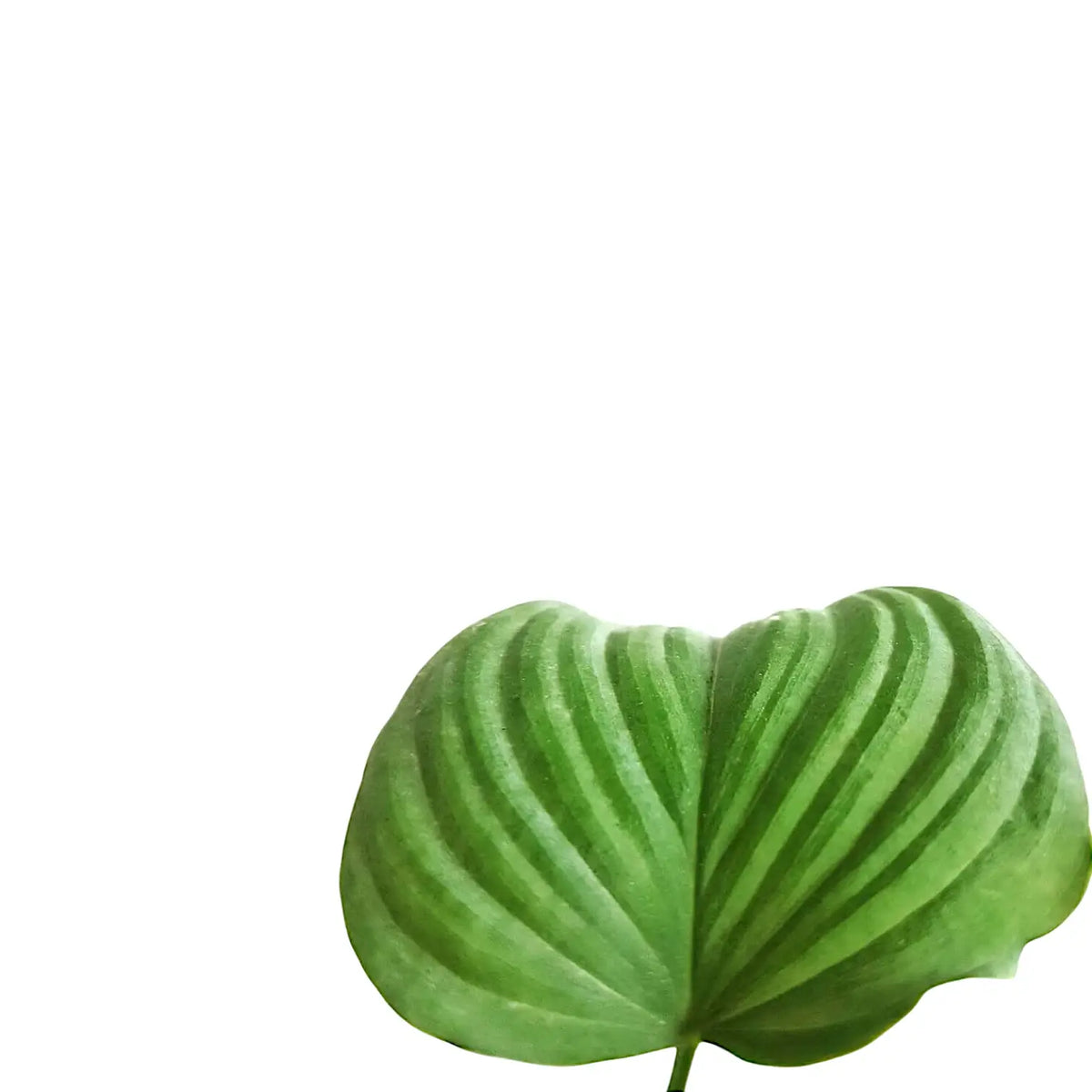
Philodendron fibraecataphyllum is a climbing Araceae species with green leaves that become broader and more developed as the plant matures. Young plants start with simpler foliage, then gain a stronger mature shape once the stem climbs and the aerial roots attach.
Old cataphylls can leave dry fibres around the nodes, giving the stem a textured surface. Good airflow around the stem and an airy root zone help the plant stay healthy in warm, humid conditions.
Fibrous nodes on Philodendron fibraecataphyllum
- Stem detail: Dry cataphyll fibres can remain around nodes after new leaves emerge.
- Mature foliage: Leaves can become broader and more divided-looking as climbing growth develops.
- Growth habit: Climbing Philodendron with aerial roots along the stem.
- Family: Araceae.
- Origin: Native to western Colombia and Ecuador.
- Support: A moss pole, plank or slab helps the stem attach and develop stronger mature growth.
Philodendron fibraecataphyllum in lowland wet forest
Philodendron fibraecataphyllum comes from lowland wet tropical forest in western Colombia and Ecuador. Its climbing habit, aerial roots and fibrous cataphyll remains fit warm forest conditions where stems attach to surrounding vegetation while the root zone stays open and oxygen-rich.
In cultivation, the fibrous node detail is part of the plant’s character. Keep old cataphyll material dry between waterings, especially around nodes where moisture can collect.
Philodendron fibraecataphyllum care for fibrous stems and climbing growth
- Light: Give bright indirect light so larger leaves can develop while soft new growth stays protected from scorch.
- Watering: Water thoroughly after the upper substrate begins to dry, then let excess water drain fully.
- Humidity: Aim for moderate to high humidity, especially while larger leaves are unfurling.
- Temperature: Keep warm, ideally around 18–28 °C, and avoid cold draughts or chilled wet substrate.
- Substrate: Use a coarse aroid mix with bark, pumice or perlite, plus enough organic material to hold light moisture.
- Support: Give the stem a moss pole, plank or slab so aerial roots can attach and leaf size can build over time.
- Airflow: Keep gentle air movement around the stem so cataphyll fibres dry between waterings.
- Fertilising: Feed lightly during active growth with a balanced fertiliser, reducing strength when growth slows.
- Repotting: Repot when roots circle the pot or the mix starts to compact; avoid oversized containers that stay wet too long.
- Propagation: Propagate from stem cuttings with at least one node and a healthy aerial root or root-starting point.
- Pruning: Cut above a node to shorten long stems or remove damaged growth.
- Semi-hydroponics: Suitable for airy mineral substrates if the plant is transitioned gradually and the reservoir is kept clean.
Philodendron fibraecataphyllum issues at nodes and roots
- Damp fibres at nodes: Improve airflow and avoid splashing the stem when watering.
- Small new leaves: Check light level, support and root health before changing fertiliser.
- Brown patches on new growth: Look for direct sun, mechanical damage or pests hiding in folded leaves.
- Root rot: Sour-smelling mix, limp growth and blackened roots point to poor aeration or watering too often.
- Soft roots: Replace compacted substrate with a chunkier mix and reduce watering frequency.
- Pests: Inspect new growth, petioles, leaf undersides and fibrous stem areas for thrips, spider mites, scale or mealybugs.
Philodendron fibraecataphyllum pet safety
Philodendron fibraecataphyllum contains irritating calcium oxalate crystals. Keep it away from pets, and dispose of pruned stems or old cataphyll material where animals cannot reach it.
Philodendron fibraecataphyllum name and publication
The genus name Philodendron comes from Greek roots meaning tree-loving. Philodendron fibraecataphyllum was described by M. Marcela Mora and Thomas B. Croat in Phytotaxa in 2016. The epithet fibraecataphyllum is formed from fibrae, meaning fibres, and cataphyllum, referring to cataphylls.
Order Philodendron fibraecataphyllum if you want a green climbing Philodendron with fibrous cataphyll remains and mature foliage that gains more shape with height.
Shipping Notes
- Free Standard Shipping on $100+ Orders to the USA.
- Except Preorder products are shipped in 48 hours.
- Delivery to the USA:
- Standard Shipping : 3-10 business days
- If time is of the essence, please consider selecting expedited delivery for faster service.
Exchange/Return Notes
- We offer a 30-day return/exchange service after receiving.
- Final sale items are not eligible for returns or exchanges.
- To process your return/exchange, please contact us at [email protected]
- Please click here for more details>>> Return & Exchange Policy