Pay in installments of $5.67 with
 ,
,
 and
and

Shipping Estimate
USA
- USA
- CAN
- USA
- CAN
Ships within 48 hours · Estimated delivery Jul 20 - Jul 25
 Promo Codes Available:
For Your Every Summer RSVP, with Code: SUMMER15
Description
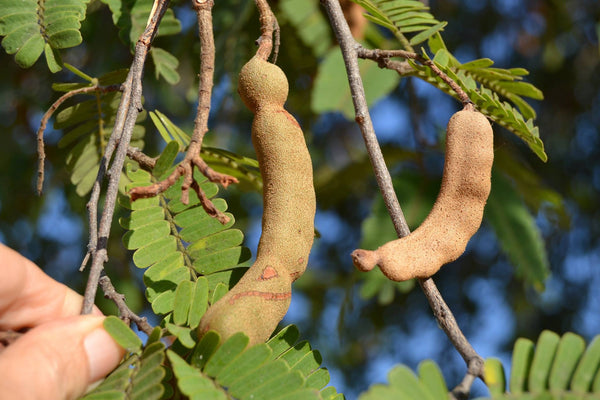
tamarind plant from seed Tamarind Tree Seeds - For 2026 Planting Tamarindus Indica TamarindoTamarind features long, brown pods with a delicious sweet tart, sticky, tangy pulp that is essential in many culinary dishes worldwide! Used in favorite dishes and drinks like Pad Thai, Sambar, Chutneys, Agua de Tamarindo, Pho, and Som Tam. Tamarind is a key ingredient in Indian, Thai, Mexican, and many other global cuisines. This exquisite fruit grows on evergreen trees with a broad, dense canopy and small, bright green pinnate leaves that yellow and
Tamarind features long, brown pods with a delicious sweet-tart, sticky, tangy pulp that is essential in many culinary dishes worldwide! Used in favorite dishes and drinks like Pad Thai, Sambar, Chutneys, Agua de Tamarindo, Pho, and Som Tam. Tamarind is a key ingredient in Indian, Thai, Mexican, and many other global cuisines. This exquisite fruit grows on evergreen trees with a broad, dense canopy and small, bright green pinnate leaves that yellow and fall during the dry season. Tamarind Trees can reach height of 30 to 60 feet, with a spread of 30 to 40 feet. Its leaves, bark, and fruit have a long-standing role in herbal remedies. The Tamarind Tree's fruit pulp is often used as a natural remedy for digestive issues and is known for its high levels of antioxidants and vitamins. The Tamarind Tree makes for an attractive addition to tropical and sub-tropical gardens with the added benefit of producing nutritious tangy fruit year after year.Also Known As: Tamarind Tree, Tamarindus Indica, Tamarindus, Indian Date, Tamarindo, Tamrind, Imli Tree, Assam Tree, Asam Jawa, Javanese Tamarind Plant, Indian Tamarind, Pulp Tamarind.
| Plant Name: | Tree, Tamarind |
| Latin Name: | Tamarindus indica |
| Days to Germinate: | 14-28 |
| Years to Fruit: | 2 - 3 Years |
| Plant Height: | 30 - 60 Feet |
| Spread: | 30 - 40 Feet |
| Growth Habit: | Upright |
| USDA Zones: | 9-11 |
| Lifespan: | Perennial |
| Brand: | TomorrowSeeds |
| Sunlight: | Full Sun, Partial Shade |
| Pollination: | Heirloom, Open-Pollinated |
| GMO: | No |
| Fungicide-Treated Seeds*: | No |
| Seeds Packed For**: | 2026 |
**Seeds are freshly packed for the growing season of the year listed. Seeds are still viable beyond pack date. Store in a cool and dry location such as the refrigerator or basement to best preserve germination rates.
Planting Instructions:
Soil Preparation:
Choose a clear, sunny location that is not in the shade of other trees and receives at least 6 hours of sunlight each day. Trees establish roots better in sandy, well-drained soils rather than heavy, poorly drained soil. Remove weeds, large rocks, and litter from the planting area. Leave small weeds and dead grass, they will enrich the soil when turned under. Spade or till the soil 6-8 inches deep. Loosening the soil will help the plant establish strong roots. If the soil is heavy or clay-like, mix in some sand or compost to improve drainage. Optionally, either form rows of soil beds or hills 4-6 inches high and at least 40 feet apart. This formation of ridges will help with drainage, ensure good airflow, and make harvesting or maintenance easier.
Planting:
Tamarind thrives in warm, tropical to subtropical climates, preferring temperatures between 75F-95Fand are highly drought-tolerant once established.Starting Indoors: Tamarind Tree seeds do not require cold-stratification to germinate but may benefit from soaking. To germinate seeds, soak seeds 24 hours in hot tap water prior to sowing. Roll seeds in a damp paper towel and place in a resealable bag and place bags in 70F-90F area for 1-2 weeks. Plant indoors in small pots with moist potting soil 1 month before the last expected frost in spring, and place the pots in a warm, sunny location that is at least 65F. Keep the soil moist, allowing the top inch of soil to dry in between waterings.
Once the seedlings have developed a few sets of leaves and are at least 6 inches in height, harden off seedlings then transplant outdoors in the spring, in a sunny location when temperatures are consistently above 65F. To transplant seedlings, prepare a transplant hole outdoors in a sunny, permanent location. Remove the plants carefully from the pots or flats and set them in the transplant holes, burying some of the stem in the ground. Pack the soil loosely around the plant and leave a slightly sunken area around each plant to hold water. Water the plants after transplanting.
Directly Sowing: If directly sowing outdoors, plant in spring in a sunny location when temperatures are consistently above 70F. Soak seeds 24 hours in hot tap water prior to sowing. Roll seeds in a damp paper towel and place in a resealable bag and place bags in 70F-90F area for 1-2 weeks. To plant, make holes 1 inch deep and spaced 30 feet apart down the rows of raised beds. Plant 1 seed per hole, then cover thinly with soil. Seedbeds can be covered with plastic film to promote germination. Water after planting.
| Planting Depth: | 1 inch |
| Within-Row Spacing: | 30-40 feet |
| Between-Row Spacing: | 40 feet |
Care During the Season:
Tamarind is a resilient, long-lived tree that produces abundant, high-quality fruit for culinary and medicinal use year after year with care. While young trees benefit from regular deep watering, mature trees require minimal irrigation. Fertilization can optionally be done twice a year, in early spring and mid-summer, using a balanced fertilizer. Pruning is generally minimal but can be beneficial.
Harvesting:
Tamarind pods are ready for harvest when they turn brown and brittle, around late winter to early spring, 6-9 months after flowering,. The outer shell hardens and becomes dry, while the pulp inside transforms from sour and green to a sticky, brown, and sweet-sour consistency. If the pods are still green or soft, they are not fully ripe and should be left on the tree longer to ripen. To harvest, simply pluck the mature pods by hand or use pruning shears if they are hard to reach. After harvesting, tamarind pods can be dried in the sun for a few days to further harden the shell and concentrate the flavors. The pulp can be stored inside the shell for long-term use or extracted and preserved as a paste.
Shipping Notes
- Free Standard Shipping on $100+ Orders to the USA.
- Except Preorder products are shipped in 48 hours.
- Delivery to the USA:
- Standard Shipping : 3-10 business days
- If time is of the essence, please consider selecting expedited delivery for faster service.
Exchange/Return Notes
- We offer a 30-day return/exchange service after receiving.
- Final sale items are not eligible for returns or exchanges.
- To process your return/exchange, please contact us at [email protected]
- Please click here for more details>>> Return & Exchange Policy