Pay in installments of $6.17 with
 ,
,
 and
and

Shipping Estimate
USA
- USA
- CAN
- USA
- CAN
Ships within 48 hours · Estimated delivery Oct 23 - Oct 28
 Promo Codes Available:
For Your Every Summer RSVP, with Code: SUMMER15
Description
paddle succulent care Shop 'Variegated Paddle Plant - Kalanchoe luciae Fantastic' Care & InfoIntroducing the Variegated Paddle Plant, known as Kalanchoe luciae 'Fantastic,' which is the vibrant variety of the KalanchoeGo to search results page? q=Kalanchoe genus. Some people describe its variegated leaves as paddle like, with yellow edges that are almost round in shape and concave, hence the common name (Paddle plant), but we think "fantastic" really sums it up. This Kalanchoe plant is an absolute stunner! This kalanchoe succulent forms
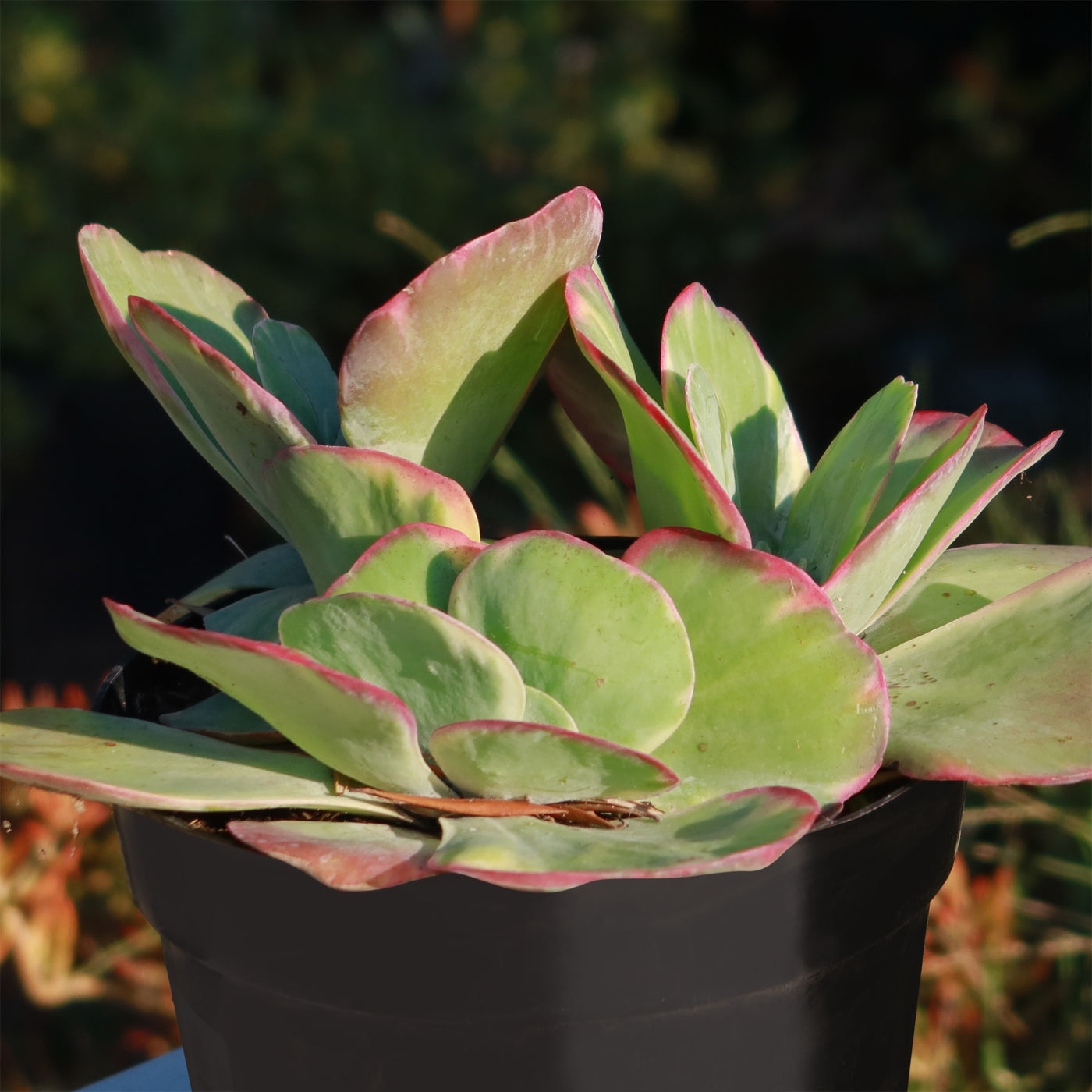
Introducing the Variegated Paddle Plant, known as Kalanchoe luciae 'Fantastic,' which is the vibrant variety of the KalanchoeGo to search-results-page?q=Kalanchoe genus. Some people describe its variegated leaves as paddle-like, with yellow edges that are almost round in shape and concave, hence the common name (Paddle plant), but we think "fantastic" really sums it up. This Kalanchoe plant is an absolute stunner!
This kalanchoe succulent forms compact basal rosettes of broad gray-green leaves with irregular pale-yellow stripes and reddish tints near the undulate margins.
The rosettes grow up to 6 inches tall and up to 10 inches in diameter.
The kalanchoe plant gets more intense hues in cooler temperatures, so it's perfect for your office or home during winter. Additionally, it is known for its air-purifying qualities, improving the overall air quality in your environment.
The flowers of variegated paddle plants are pale yellow urn-shaped and appear in clusters from late winter into early spring. This stunning kalanchoe plant can be easily propagated by seeds and cuttings.
Just keep in mind that this Kalanchoe is monocarpic, which means after flowering it starts to die after blooming, which can take several years.
The Kalanchoe thyrsiflora and Kalanchoe luciae are often confused with each other due to their similar appearance. However, they are two different species of succulent plants with slight differences in leaf shape and flower color. Another Kalanchoe succulent type is Kalanchoe luciae Fantastic Crested, which has more wavy leaves that are similar in color to Kalanchoe Fantastic but are arranged in a rosette that is more compact and tightly clustered than the Fantastic.
When and How to Water Variegated Paddle Plant
Often, people worry they aren't giving their plants enough water when in reality, they are over-watering them. This is especially the case with these kalanchoe succulents as they don't do well in moist soil, which can result in root rot.
It's best to wait until the top two inches of soil are completely dry before watering. Watch out for signs of dehydration, such as a pale discoloration and shriveled stem, indicating that the succulent is consuming its interior water supply.
Besides hydrating correctly, it's also crucial to ensure that the potting soil drains quickly to avoid damaging the succulent roots. As drought-tolerant plants, this variegated paddle plant can thrive with less frequent watering during drought periods in winter, and if you forget to water them for a month or more, they will probably survive just fine. It is better to underwater than overwater this kalanchoe paddle plant, as it is susceptible to root rot and fungal diseases.
Light Requirements - Where to Place Kalanchoe luciae 'Fantastic'
When grown indoors, place it in the sunniest place in your house. This kalanchoe succulent may benefit from shade in consistently hot climates. It is ideal to grow this succulent in a west- or a few feet away from a south-facing window.
For outdoor cultivation, the kalanchoe plants love a lot of sunlight to thrive and bloom, but it's important that the light isn't too intense.
If these paddle plants are placed in direct sunlight for too long, it can damage or even kill this vibrant beauty.
It can flourish in hot and sunny conditions, requiring a minimum of 5-6 hours of bright, indirect light daily. Too little light can cause discoloration and an abnormal appearance, as well as limit its growth.
Optimal Soil & Fertilizer Needs
The variegated kalanchoe prefers sandy, well-drained soil, as excess moisture can promote root and stem rot. Planet Desert specializes in succulents and has specialized succulent potting soil that includes an organic substrate with mycorrhizae to help with the growth of a healthy root system and help your succulents thrive. As an okay alternative, you can create your own potting mix by combining equal portions of perlite, coarse sand, and good natural potting soil.
When it comes to fertilizing your paddle plant, remember that less is more. A small amount of fertilizer with a balanced mixture of NPK (5-10-5) once a year in spring will do wonders for your plant's health and growth. Using a natural fertilizer ensures that other beneficial compounds and microbes are added to the soil without the use of harsh chemicals. Show your paddle plant some love with awesome natural fertilizer and watch it thrive.
Hardiness Zones & More
When grown indoors, this paddle plant thrives best at 65 to 75 degrees Fahrenheit. It's important to keep it in a warm environment and away from cold drafts.
For outdoor cultivation, it thrives best in USDA zones 9 and 11. If you live in a colder climate, you should put them in a pot, and they can then be kept outdoors during the summer and brought in as the temperature drops.
Although the Kalanchoe luciae fantastic's colors may become more intense during cooler temperatures, it is still a tropical plant that is sensitive to cold.
Exposure to temperatures below 35 F can cause damage to the succulent, such as leaf drop, or even kill the plant. If you are unable to bring your Kalanchoe Fantastic inside, you can protect it from the cold by wrapping a frost cloth around it.
Wildlife - Variegated Paddle Plant Attracts the Following Friendly Pollinators
The Variegated Paddle Plant is a magnet for friendly pollinators, making it a wonderful addition to any garden or indoor plant collection. Its eye-catching foliage and occasional blooms attract bees, butterflies, and other beneficial insects, which are essential for maintaining a healthy ecosystem. If grown outdoors, its vibrant flowers can also lure hummingbirds, adding a dynamic and lively touch to your space.
According to ASPCA, the Variegated Paddle Plant is considered mildly toxic to cats, dogs, and other pets. The plant contains compounds that can cause symptoms such as vomiting, diarrhea, and lethargy if ingested in a large amount.
How to Propagate Your Variegated Paddle Plant
Variegated paddle plant propagation can be easily done by separating the offsets that grow at the base of the plant. These offsets can be potted in well-draining soil and kept in a bright, indirect light to encourage root growth.
Key Takeaways
- The leaves of the Variegated Paddle Plant develop stunning pink and red edges when exposed to bright sunlight, creating a living work of art that changes with its environment.
- Like other members of the Crassulaceae family, it uses CAM photosynthesis, releasing oxygen at night and making it a great addition to bedrooms for improving air quality.
- This plant not only tolerates drought but thrives in hot, arid climates where other plants might struggle, showcasing its adaptability and resilience.
- While its flowers are rare and short-lived, their golden tubular shapes contrast beautifully with the plant’s foliage, making blooming events a spectacular and memorable occurrence.
The Bottom Line
Overall, the Kalanchoe luciae fantastic is a stunning succulent with thick, paddle-shaped leaves that turn a vibrant red color on the edges when exposed to bright sunlight. This low-maintenance plant thrives in well-draining soil and only needs occasional watering, making it a perfect choice for beginners or those with busy schedules. With its unique appearance and easy care requirements, Kalanchoe luciae fantastic is sure to make a striking addition to any indoor or outdoor garden.
Give this Kalanchoe fantastic - variegated paddle plant a try if you're looking for an easy succulent to care for!
Shipping Notes
- Free Standard Shipping on $100+ Orders to the USA.
- Except Preorder products are shipped in 48 hours.
- Delivery to the USA:
- Standard Shipping : 3-10 business days
- If time is of the essence, please consider selecting expedited delivery for faster service.
Exchange/Return Notes
- We offer a 30-day return/exchange service after receiving.
- Final sale items are not eligible for returns or exchanges.
- To process your return/exchange, please contact us at [email protected]
- Please click here for more details>>> Return & Exchange Policy