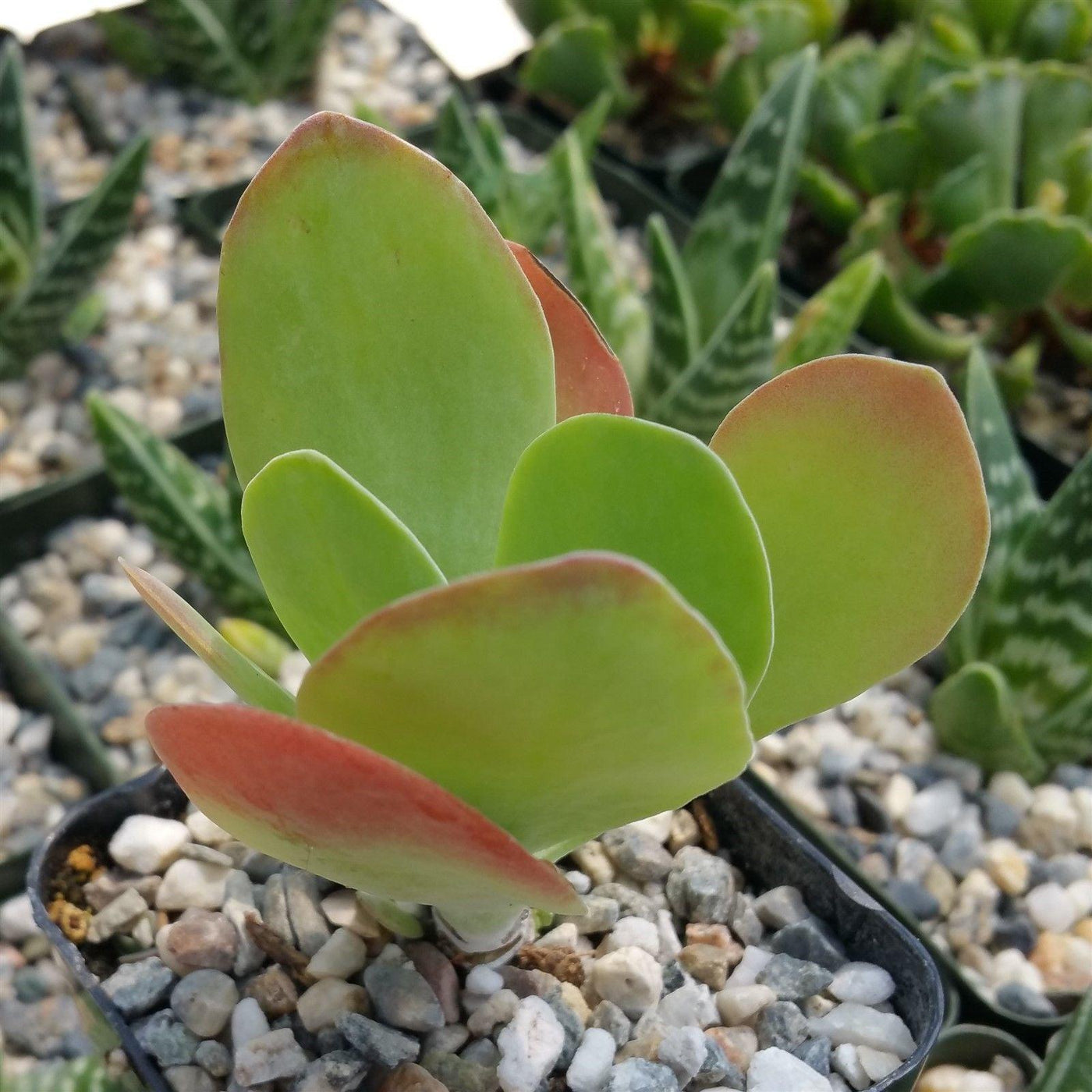
flapjack plant indoor Flapjack Plant ‘Kalanchoe luciae’The Flapjack plant known as kalancho Luciae, is a striking succulent known for its thick, rounded leaves that stack in a flat, layered rosette. Its bold, sculptural form gives it a clean, modern look that stands out in both indoor and outdoor spaces. Native to South Africa, this plant is well adapted to dry conditions and thrives with minimal care, making it a great choice if you want something low maintenance but still eye catching. It grows slowly,
The Flapjack plant known as kalancho Luciae, is a striking succulent known for its thick, rounded leaves that stack in a flat, layered rosette. Its bold, sculptural form gives it a clean, modern look that stands out in both indoor and outdoor spaces.
Native to South Africa, this plant is well adapted to dry conditions and thrives with minimal care, making it a great choice if you want something low maintenance but still eye catching.
It grows slowly, stays compact, and works well in containers, succulent arrangements, or sunny outdoor gardens.
The powdery coating helps protect the plant from intense sunlight and conserves moisture.
In the bright sunlight, the leaves turn to blush red, otherwise, leaves remain uniformly green.
As the flapjack plant matures, it forms a rosette shape with tightly clustered leaves that can grow up to 2 feet tall and wide, making it a great addition to both indoor and outdoor gardens.
The flowers of the flapjack plant bloom in late winter, bearing clusters of small, bell-shaped flowers. These pale-yellow tubular flowers attract pollinators like bees and butterflies.
Paddle Plant ‘Kalanchoe thyrsiflora’
The Paddle Plant, or Kalanchoe thyrsiflora, is a low maintenance succulent with flat, paddle shaped leaves that develop red edges in bright sun. It thrives in warm, dry conditions and adds a clean, modern look to any space.
Learn more →
What makes it especially eye-catching is the way the leaf edges turn vibrant red when exposed to bright sunlight. This bold color contrast and sculptural form make it a standout choice for both indoor displays and outdoor succulent gardens.
When and How to Water Your Flapjack Succulent
The Flapjack plant is a drought-tolerant succulent that prefers to dry out completely between waterings, making it more resilient to underwatering than overwatering.
Water your flapjack plant once every 1 to 2 weeks during the growing season, with a thorough soak, and reduce watering to once every 3 to 4 weeks during the dormant season, keeping moisture very light.
In the summer and spring, allow the soil to fully dry out before watering again. This soak and dry approach helps keep the roots healthy and supports steady growth.
In the winter and fall, it needs even less water. With cooler temperatures and slower growth, light and infrequent watering is enough to maintain its health.
Light Requirements - Where to Place Your Flapjack Plant
When growing indoors, it thrives in bright, indirect light for about 4 - 6 hours a day. Place your Kalanchoe plant near a window that receives plenty of sunlight throughout the day.
A south-facing or west-facing window is usually ideal, as it provides the right amount of light without exposing the plant to direct sunlight, which can cause sunburn on the leaves.
If you notice your flapjack succulent stretching or leaning toward the light, it might be an indication that it needs more sunlight.
When growing outdoors, it can tolerate more direct sunlight compared to when it’s indoors. It does best with 6 - 8 hours of sunlight daily, handling full sun to partial shade, but it’s still best to provide some protection from intense afternoon sun, especially in hotter regions..
A spot that receives morning sun and filtered afternoon shade would be perfect. In the bright light, its leaf margin takes a reddish hue. If you live in a climate with extremely high temperatures, providing some shade during the hottest part of the day can help prevent leaf scorch.
Optimal Soil & Fertilizer Needs
The Flapjack succulent prefers very airy, sandy soil that drains well, along with light feeding once a year in spring. Planting it in regular, moisture-retaining soil can lead to compacted roots and slow growth, so it is best to use a specialized succulent potting mix, ideally one with added perlite or mycorrhizae to support a strong and healthy root system.
When it comes to fertilizing, apply a balanced, low-strength NPK fertilizer once a year during spring to give your plant a gentle boost. Use a balanced, low strength fertilizer with an NPK ratio around 5-10-5 to support healthy root development.
Avoid over fertilizing, as too much can lead to weak, leggy growth and reduce the vibrant color of the leaves. With the right soil and minimal feeding, your flapjack plant will stay compact, healthy, and full of color.
Hardiness Zone & More
In the United States, it is mostly grown as an indoor plant, but if you live in southern Florida or Hawaii, you can grow it outdoors in USDA zones 9-11.
It prefers temperatures between 60°F and 75°F and can tolerate average indoor humidity levels.
It's always a good idea to provide some humidity by placing a tray of water near the plant, especially if you live in a dry climate or if the air in your home tends to be dry. If you live in a colder climate, it is best to bring the flapjack plant indoors.
How to Grow as an Indoor Houseplant
Your flapjack plant grows best indoors in temperatures between 60°F and 75°F. It can handle slightly cooler conditions, but it’s best to keep it away from frost, cold drafts, and sudden temperature changes. As for humidity, the flapjack plant adapts well to average indoor levels, so there’s no need for extra moisture in most homes. Just make sure the air doesn’t become too dry, especially during cooler months, and always use well-draining soil to keep the roots healthy.
Wildlife - Flapjack Flowers Attract the Following Friendly Pollinators
The Flapjack succulent produces tall, central stalks with clusters of small, tubular yellow or green-yellow flowers that attracts friendly pollinators such as bees, butterflies, hummingbirds, and other beneficial insects. These pollinators are drawn to its tall flower stalks with nectar-rich blooms and play an important role in supporting plant reproduction and overall garden biodiversity.
Butterflies
Bees
Hummingbirds
Lady Bugs
Multi Pollinators
Other Birds
According to ASPCA, the Kalanchoe luciae is mildly toxic to humans or pets if ingested in large amounts. While it is safe to keep as a houseplant, it’s best to place it out of reach of curious pets and small children to avoid accidental ingestion.
How to Propagate Your Flapjack Succulent
You can propagate the Kalanchoe flapjack plant by using leaf cuttings or offsets. To propagate from a leaf, gently twist off a healthy, mature leaf from the base. Let it sit in a dry place for a few days until the cut end forms a callus. Once dried, place the leaf on top of well-draining soil and lightly mist it every few days.
Once it produces offsets or “pups,” you can separate them from the mother plant using clean hands or scissors. Let the offsets dry for a day, then plant them in a small pot with succulent soil. Water lightly after a few days once they settle in.
Keep new cuttings in a bright area with indirect sunlight and avoid overwatering while they establish roots, as this is essential for healthy growth and overall flapjack plant care.
Key Takeaways
- The Kalanchoe luciae plant adds bold visual appeal with its wide, paddle-shaped leaves and striking red edges that intensify in bright light.
- It is a low-maintenance succulent, making it ideal for beginners or anyone looking for an easy indoor plant to care for.
- Its compact, rosette growth makes it perfect for windowsills, desks, and decorative containers without taking up much space.
- This plant thrives in bright environments, helping you bring a fresh, vibrant look to sunny indoor areas or outdoor spaces in warm climates.
- When mature, it produces tall flower stalks with beautiful blooms, adding seasonal interest and attracting beneficial pollinators.
Final Thoughts
Overall, the flapjack succulent plant (Kalanchoe luciae) is a stunning succulent with paddle-shaped leaves that have a silvery-gray or bluish-gray appearance. It can reach a mature size of 1-2 feet tall, making it a great addition to indoor and outdoor gardens. The plant produces vibrant pale yellow or gray bloom, attracting pollinators like bees and butterflies. To care for the flapjack plant, provide it with bright light, well-draining soil, and occasional watering. It's a low-maintenance plant that adds beauty and interest to any space.
 ,
,
 and
and

 Promo Codes Available: