Pay in installments of $7.19 with
 ,
,
 and
and

Shipping Estimate
USA
- USA
- CAN
- USA
- CAN
Ships within 48 hours · Estimated delivery Oct 8 - Oct 13
 Promo Codes Available:
For Your Every Summer RSVP, with Code: SUMMER15
Description
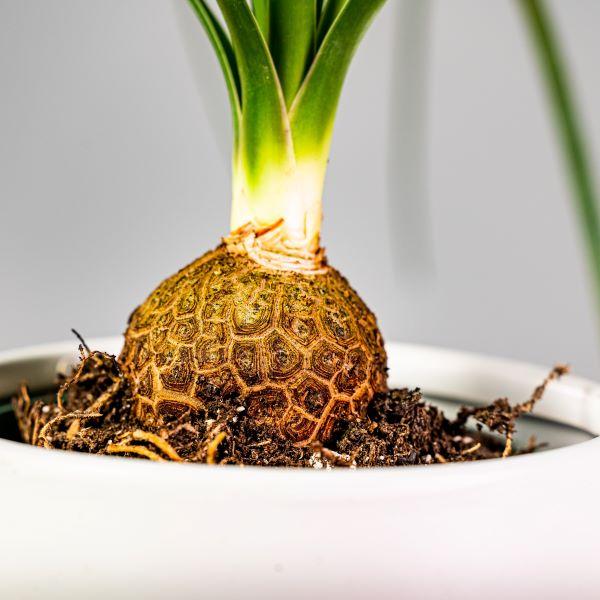
houseplant ponytail palm Ponytail PalmCurly Ponytail Foliage on a Swollen Trunk Ponytail Palm is one of those plants that makes people smile at first glance. A swollen, bulbous base tapers into a slender trunk, crowned with a fountain of long, ribbon like leaves that spill over the sides like a green ponytail. Despite its common name, it isnt a true palm at all, but a caudex forming succulent native to Mexico, which has evolved to store water in its thick base. The look is part desert
Curly “Ponytail” Foliage on a Swollen Trunk
Ponytail Palm is one of those plants that makes people smile at first glance. A swollen, bulbous base tapers into a slender trunk, crowned with a fountain of long, ribbon-like leaves that spill over the sides like a green ponytail. Despite its common name, it isn’t a true palm at all, but a caudex-forming succulent native to Mexico, which has evolved to store water in its thick base. The look is part desert sculpture, part whimsical houseplant, and it fits just as well on a sunny windowsill as it does styled on a plant stand.
Slow, Compact Growth, and Long-Lived
Indoors, Ponytail Palm is slow-growing, which makes it a fantastic long-term companion plant. Young plants have a single trunk and a tight tuft of foliage, while older specimens gradually thicken their base and may branch into multiple heads over time. In containers inside the home, most plants typically top out at around 3–4 feet tall, although very old specimens in large pots can reach 5–6 feet. Because it grows slowly and stays relatively narrow, it’s easy to tuck into corners, tabletops, or grouped displays without worrying that it will outgrow the space overnight.
Bright Light and Infrequent Watering is all it requires
Think of Ponytail Palm as more of a succulent than a palm when it comes to care. It thrives in bright, indirect light and happily basks in a bit of gentle direct sun, especially morning or late-afternoon rays. A bright east or south window is ideal; in lower light, it will survive, but growth slows dramatically, and the trunk may elongate rather than stay stout. Plant it in a very well-draining mix—such as cactus or succulent soil, or potting mix heavily amended with sand and perlite—so that excess water runs through quickly and never lingers around the roots.
Watering is where Ponytail Palm really earns its “set it and forget it” reputation. The caudex stores water, so you’ll want to let the soil dry out completely between waterings, then soak thoroughly and drain well. In most indoor settings, that means watering every 2–4 weeks, less in low light or winter, and a bit more in bright, warm conditions. It prefers typical household temperatures of around 65–80°F and average humidity, shrugging off dry indoor air that would bother more finicky tropicals. Overwatering is just about the only way to truly get into trouble with this plant—if the base ever feels soft or the leaves pull out easily, it’s a sign the roots have stayed wet too long.
Pet-Safe Personality Plant for Home or Office
In the “indoor landscape,” Ponytail Palm is pure personality. Use it as a quirky focal point on a plant shelf, as a sculptural accent on a low stool, or lined up in multiples for a desert-inspired vignette. It pairs beautifully with cacti, snake plants, and other drought-tolerant houseplants, adding a softer, playful texture to an otherwise spiky or architectural grouping. And because it’s considered non-toxic to cats, dogs, and even horses, you can relax a bit if curious paws can’t resist playing with those tempting, dangling leaves.
Shipping Notes
- Free Standard Shipping on $100+ Orders to the USA.
- Except Preorder products are shipped in 48 hours.
- Delivery to the USA:
- Standard Shipping : 3-10 business days
- If time is of the essence, please consider selecting expedited delivery for faster service.
Exchange/Return Notes
- We offer a 30-day return/exchange service after receiving.
- Final sale items are not eligible for returns or exchanges.
- To process your return/exchange, please contact us at [email protected]
- Please click here for more details>>> Return & Exchange Policy