Pay in installments of $6.54 with
 ,
,
 and
and

Shipping Estimate
USA
- USA
- CAN
- USA
- CAN
Ships within 48 hours · Estimated delivery Oct 26 - Oct 31
 Promo Codes Available:
For Your Every Summer RSVP, with Code: SUMMER15
Description
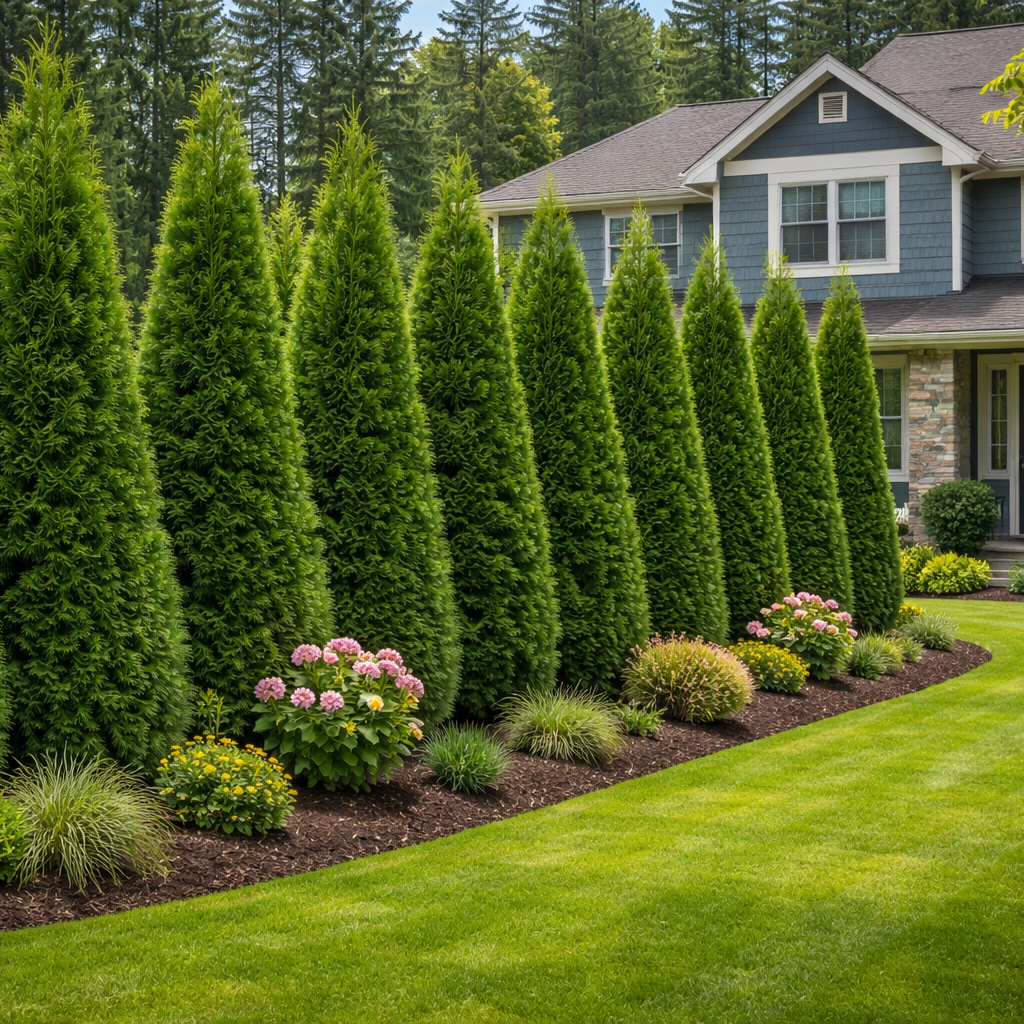
tall trees to plant close to house Thuja Green Giant ArborvitaeThuja Green Giant Arborvitae Fast Growing Privacy Screen Evergreen 40 60 Feet Tall, Individual Plants Create the ultimate natural privacy barrier with America's fastest growing evergreen hedge solution. The Thuja Green Giant Arborvitae is a vigorous, award winning evergreen conifer that has become the number one choice for living privacy fences, quickly beating out Leyland Cypress as the most popular screening tree. This exceptional fast growing
Thuja Green Giant Arborvitae - Fast-Growing Privacy Screen Evergreen | 40-60 Feet Tall, Individual Plants
Create the ultimate natural privacy barrier with America's fastest-growing evergreen hedge solution. The Thuja Green Giant Arborvitae is a vigorous, award-winning evergreen conifer that has become the number one choice for living privacy fences, quickly beating out Leyland Cypress as the most popular screening tree. This exceptional fast-growing evergreen has become extremely popular for their fast growth rate and hardy nature, these attractive arborvitae have quickly beat out Leyland Cypress as the number one choice for living fences. With its dense columnar-pyramidal habit and dark green sprays of small, glossy, scale-like needles that retain their deep green color through the winter and can grow 3 to 4 feet per year in optimal conditions, the Thuja Green Giant Arborvitae transforms ordinary property lines into majestic green walls that provide year-round privacy. The low-branching, dense columnar-pyramidal habit along with resistance to most diseases, insects, periodic droughts, and deer create dependable screening performance while requiring minimal maintenance once established. Unlike other evergreens that grow slowly or struggle in various conditions, these hardy arborvitae provide rapid establishment that actually improves privacy coverage with each passing season.
Why You'll Love the Thuja Green Giant
Impressive Growth & Size: Growing 40-60 feet tall and 10-15 feet wide with growth rates of 3 to 4 feet per year in optimal conditions makes this the perfect choice for privacy screens, windbreaks, specimen plantings, and large property boundaries.
Fast Privacy Results: Plant one every 5 to 6 feet and they quickly create a dense barrier with spacing them 8-10 feet apart recommended for areas with more room, and will still provide privacy and height. These fast-growing hedges thrive in heat and humidity with superior establishment rates.
Outstanding Hardiness: Hardy in USDA zones 5-8, showing a high tolerance for a variety of climatic conditions and resists most diseases, insects, periodic droughts, and deer. Once established, these evergreens provide reliable year-round performance.
Versatile Growing Conditions: A low-maintenance landscaping choice due to its hardiness and grows in almost any soil, even sandy loam or heavy clays - perfect for property owners wanting rapid privacy establishment with minimal ongoing care.
Thuja Green Giant Details
- Botanical Name: Thuja × plicata 'Green Giant'
- Type: Evergreen conifer
- Mature Size: 40-60 feet tall × 10-15 feet wide (columnar-pyramidal shape)
- Growth Rate: Fast — 3 to 4 feet per year in optimal conditions
- Light: Prefers direct sunlight, but also does well in partial shade
- Soil: Grows in almost any soil, even sandy loam or heavy clays; well-drained soils preferred
- Water: Drought tolerant once established; keep soil moist but not soggy after planting
- USDA Hardiness Zones: 5, 6, 7, 8
Growing Conditions
Soil Adaptability: Best grown in moist, fertile, well-drained soils and tolerates somewhat wide range of soils and some dry conditions. However, will not survive on varieties of soils that are wet sites, poorly drained, or ones that stay soggy.
Light Requirements: Best in full sun, but generally appreciates some light afternoon shade in hot summer climates. In USDA planting zones 5 and 6, at least 6-8 hours of direct sunlight is best.
Hardiness: USDA zones 5-8, making it suitable for most temperate regions with excellent climate adaptability and heat tolerance.
Care Instructions
Watering: After planting your Thuja Green Giant, keep the soil moist but not soggy or oversaturated. Thujas won't do well if they sit in standing water, so avoid low areas of your yard where standing water could collect.
Pruning: Minimal pruning required due to natural columnar shape. Light pruning in late winter if needed to maintain desired height or shape.
Fertilizing: Apply balanced evergreen fertilizer in early spring for optimal growth rates and dense foliage development.
Landscaping Uses
Versatile Applications: Thuja Green Giant's rapid growth and large mature size makes it suitable for: privacy screens, windbreaks, living fences, property line barriers, specimen plantings, large landscape backdrops, and noise reduction barriers.
Privacy Screen Excellence: For a living privacy screen or hedge, a windbreak, or a snow break, position Green Giants 5-6 feet apart for quick establishment and maximum screening effectiveness.
Frequently Asked Questions
How far apart should I plant Thuja Green Giants for a privacy screen? Plant one every 5 to 6 feet and they quickly create a dense barrier. Spacing Green Giant trees anywhere from 3 feet to 10 feet apart, is generally advised, depending on how tall the hedge is desired to grow.
How fast do Thuja Green Giants really grow? This tree can grow 3 to 4 feet per year in optimal conditions with it normally takes an average of 3 years for Green Giant Arborvitaes to get established in your yard, and around 10 years to be considered mature.
Are Thuja Green Giants deer resistant and low maintenance? Yes, they resist most diseases, insects, periodic droughts, and deer making them a low-maintenance landscaping choice due to their hardiness.
Shipping Notes
- Free Standard Shipping on $100+ Orders to the USA.
- Except Preorder products are shipped in 48 hours.
- Delivery to the USA:
- Standard Shipping : 3-10 business days
- If time is of the essence, please consider selecting expedited delivery for faster service.
Exchange/Return Notes
- We offer a 30-day return/exchange service after receiving.
- Final sale items are not eligible for returns or exchanges.
- To process your return/exchange, please contact us at [email protected]
- Please click here for more details>>> Return & Exchange Policy