Pay in installments of $6.01 with
 ,
,
 and
and

Shipping Estimate
USA
- USA
- CAN
- USA
- CAN
Ships within 48 hours · Estimated delivery Sep 16 - Sep 21
 Promo Codes Available:
For Your Every Summer RSVP, with Code: SUMMER15
Description
pineapple guava plant for sale near me Buy Pineapple Guava Phoenix, AZ | Feijoa sellowianaPhoenix's Best Edible Evergreen Fruit Tree Pineapple Guava (Feijoa sellowiana) is one of the most rewarding fruit trees you can grow in the Phoenix Valley. This evergreen beauty delivers striking white and red flowers in spring, followed by sweet tropical fruit in fall all while providing year round silvery green foliage that looks elegant in any landscape. It handles full Arizona sun, tolerates reflected heat, and once established requires
Phoenix's Best Edible Evergreen Fruit Tree
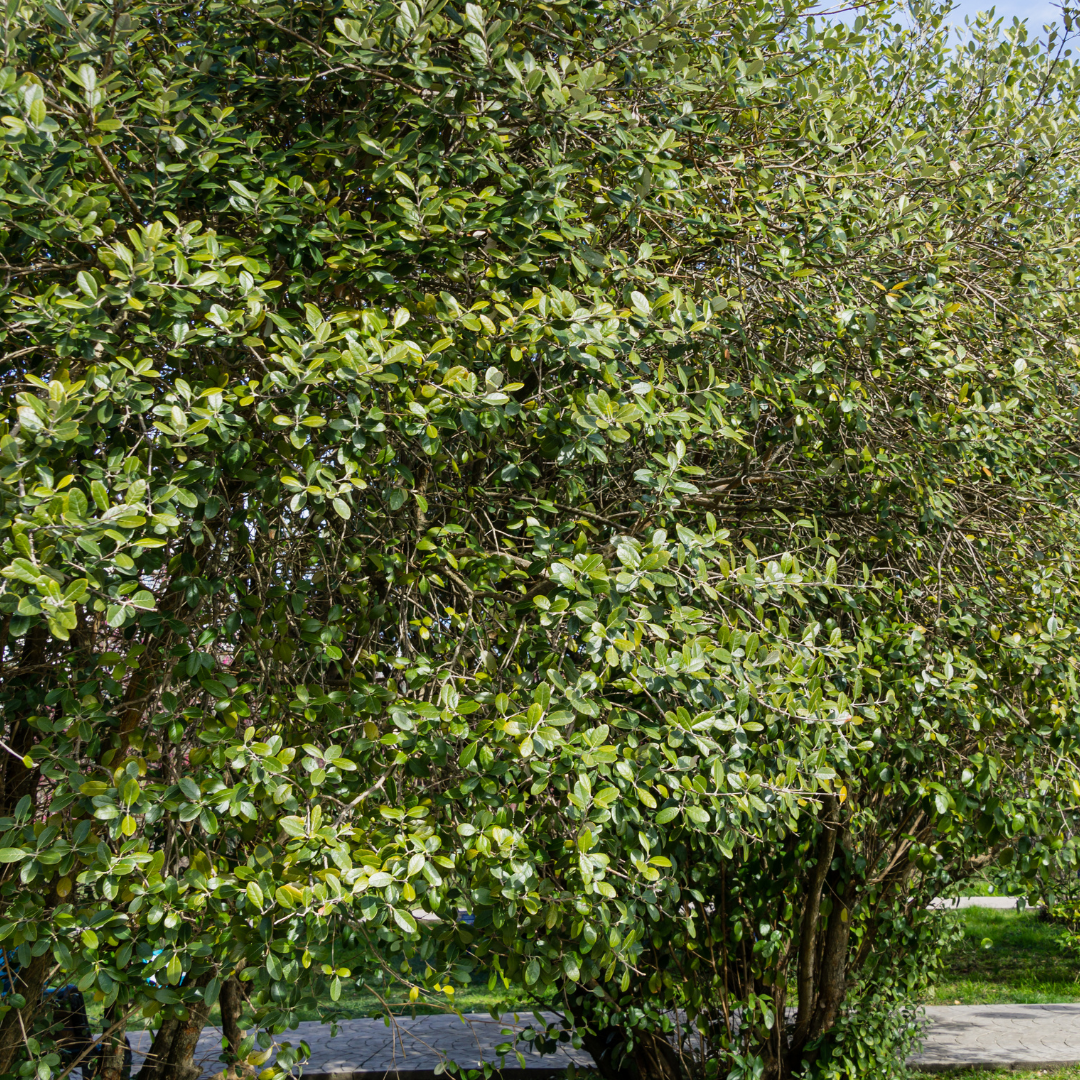
Pineapple Guava (Feijoa sellowiana) is one of the most rewarding fruit trees you can grow in the Phoenix Valley. This evergreen beauty delivers striking white-and-red flowers in spring, followed by sweet tropical fruit in fall — all while providing year-round silvery-green foliage that looks elegant in any landscape. It handles full Arizona sun, tolerates reflected heat, and once established requires surprisingly little water. Whether you're creating an edible landscape in Scottsdale, adding an ornamental fruit tree to your backyard in Mesa, or planting a living privacy screen in Chandler — Pineapple Guava does it all.
Pineapple Guava Plant Details
| Attribute | Detail |
|---|---|
| Scientific Name | Feijoa sellowiana (Acca sellowiana) |
| Common Names | Pineapple Guava, Feijoa, Guavasteen |
| Mature Height | 15–25 feet |
| Mature Width | 15–25 feet |
| Growth Rate | Moderate — 1–2 feet per year in Phoenix |
| Sun | Full sun to partial shade. Handles reflected heat from walls. |
| Water | Low to moderate once established. Drought-tolerant. |
| USDA Zones | 8–11 (Phoenix is Zone 9b–10a) |
| Soil | Well-draining. Adapts to Arizona caliche and alkaline soils. |
| Foliage | Evergreen — silvery-green leaves with white undersides year-round |
| Bloom | White petals with showy red stamens in spring — edible flowers |
| Fruit | Green oval fruit ripens fall — sweet pineapple-mint flavor |
Pineapple Guava Uses in Phoenix Landscapes
Edible Landscape Centerpiece
Pineapple Guava is the ultimate dual-purpose tree for Phoenix homeowners who want beauty and harvest. The sweet, aromatic fruit tastes like a blend of pineapple, guava, and mint — perfect fresh, in smoothies, or in preserves. Plant two trees for cross-pollination and maximum fruit production, spacing them 10–15 feet apart. Even the flowers are edible, with a sweet tropical flavor.
Evergreen Privacy Screen
With its dense, year-round foliage, Pineapple Guava makes an excellent privacy hedge or screen. Plant 6–8 feet apart for a solid screen that reaches 15–20 feet. The silvery-green leaves provide a unique texture that stands out from typical hedging plants. It responds well to pruning and can be shaped as needed. Pair with lower shrubs like Texas Sage from Three Timbers for full coverage.
Ornamental Accent and Patio Tree
The combination of silvery foliage, showy spring flowers, and attractive bark makes Pineapple Guava a standout ornamental specimen. Plant it near a patio in Gilbert, as a focal point in a courtyard in Tempe, or flanking an entryway in Peoria. It works beautifully in both desert-modern and Mediterranean-style landscapes.
Best Time to Plant Pineapple Guava in Phoenix
Fall (October–November) is the ideal planting window. Warm soil encourages root development while cooler air reduces transplant stress, giving the tree 6–8 months of establishment before its first Phoenix summer. Spring (February–April) is the second-best window. Avoid planting during peak summer heat.
How to Plant Pineapple Guava
- Dig wide, not deep — excavate a hole 2–3× the width of the root ball, same depth as the root ball. The root flare should sit at or slightly above grade.
- Check for caliche — break through any hardpan layer to ensure proper drainage.
- Backfill with native soil — a light 20% organic amendment helps but isn't required.
- Spacing — 10–15 feet apart for fruit production (cross-pollination); 6–8 feet for a hedge.
- Build a water basin — create a 3–4 inch berm ring around the root zone to direct irrigation water to the roots.
- Mulch — spread 2–3 inches of bark or gravel mulch over the root zone (not touching the trunk) to retain moisture.
Watering Pineapple Guava in Phoenix
First Year Watering Schedule
Weeks 1–2: Water every 1–2 days, deep and slow (20–30 minutes). Month 1–2: Reduce to every 3–4 days. Month 3–6: Water every 5–7 days (every 3–5 days during peak summer). After Year 1: Water every 7–10 days in summer and every 2–3 weeks in winter. For best fruit production, maintain consistent deep watering during the fruiting period (late summer through fall).
Drip Irrigation Tips
Place emitters 12–18 inches from the trunk for new plantings, moving outward as the canopy grows. Use 2–4 GPH emitters with 2–3 emitters per tree. Consistent moisture during flowering and fruiting improves both yield and flavor.
How fast does Pineapple Guava grow in Phoenix?
Pineapple Guava grows at a moderate rate of 1–2 feet per year in Phoenix. Most trees begin producing fruit within 3–4 years of planting. It reaches functional screening height (10–15 feet) within 5–6 years.
When does Pineapple Guava fruit ripen in Phoenix?
In the Phoenix Valley, Pineapple Guava typically blooms in April–May and fruit ripens from October through November. Ripe fruit falls from the tree when ready — simply pick it up off the ground. The fruit is best eaten within a few days of harvest.
Does Pineapple Guava need a pollinator?
While Pineapple Guava can self-pollinate to some degree, fruit production improves significantly with cross-pollination from a second tree. Plant two trees 10–15 feet apart for the best harvest.
Can Pineapple Guava handle Phoenix summer heat?
Yes. Pineapple Guava handles temperatures above 110°F and tolerates reflected heat well. In extreme exposures, it benefits from afternoon shade but doesn't require it. It's one of the toughest edible evergreen trees for the low desert.
You May Also Like
Fig Tree (Ficus carica) — Another productive fruit tree that thrives in Phoenix heat with minimal water once established.
Desert Delight Nectarine — A low-chill stone fruit tree bred for Phoenix's mild winters and hot summers.
Pomegranate (Punica granatum) — A drought-tough, heat-loving fruit tree with stunning fall fruit and ornamental flowers.
Lemon Improved Meyer — A compact citrus tree perfect for patios and backyard orchards in the Phoenix Valley.
How Many Pineapple Guava Do I Need?
This larger Pineapple Guava form matures to 15 to 25 feet wide, so spacing depends on the goal. For a tall evergreen privacy screen, set plants about 6 to 8 feet apart so they grow together into a solid wall. As a fruiting orchard pair or a standalone specimen, give each tree 10 to 15 feet of clearance and plant at least two for cross-pollination.
| Screen run length | Plants needed (7 ft spacing) |
|---|---|
| 21 ft | 4 |
| 42 ft | 7 |
| 63 ft | 10 |
Pineapple Guava Season-by-Season in Phoenix
- Spring (Feb–Apr): White-and-red edible flowers open April into May, drawing pollinators, while silvery new growth flushes. A solid second planting window.
- Summer (May–Sep): Tolerates temperatures above 110°F and reflected heat while holding its evergreen foliage. Keep moisture steady through fruit set; light afternoon shade in the harshest reflected-heat spots keeps leaves crisp.
- Fall (Oct–Nov): Harvest season. Sweet pineapple-mint fruit ripens and drops to the ground for easy picking. Prime planting season.
- Winter (Dec–Jan): Evergreen and reliably cold-hardy in the Valley, tolerating lows around 15°F without protection.
At a Glance
✔ Edible ✔ Evergreen ✔ Drought-Tolerant ✔ Heat-Loving (Reflected-Heat Tolerant) ✔ Pollinator-Friendly ✔ Low-Maintenance ✔ Cold-Hardy to 15°F
Plant It With
- Fig Tree: another heat-tough Phoenix producer to build out a backyard orchard.
- Pomegranate: drought-loving fruit tree with ornamental fall color and fruit.
- Improved Meyer Lemon: a compact citrus that adds year-round fruit near a patio.
- Texas Sage: a low evergreen shrub that underplants the screen for full ground-to-canopy coverage.
Is Pineapple Guava Right for Your Yard?
This Pineapple Guava thrives in full sun to light afternoon shade, in well-draining or amended caliche and alkaline soil, and is equally at home as a 15 to 25 foot evergreen screen or a fruiting specimen. It is one of the most cold-hardy and pest-free edibles for the low desert. It is not the best fit for a tight courtyard where its full width cannot develop, or right beside a pool, since it drops fruit each fall.
Shipping Notes
- Free Standard Shipping on $100+ Orders to the USA.
- Except Preorder products are shipped in 48 hours.
- Delivery to the USA:
- Standard Shipping : 3-10 business days
- If time is of the essence, please consider selecting expedited delivery for faster service.
Exchange/Return Notes
- We offer a 30-day return/exchange service after receiving.
- Final sale items are not eligible for returns or exchanges.
- To process your return/exchange, please contact us at [email protected]
- Please click here for more details>>> Return & Exchange Policy