Pay in installments of $6.79 with
 ,
,
 and
and

Shipping Estimate
USA
- USA
- CAN
- USA
- CAN
Ships within 48 hours · Estimated delivery Oct 20 - Oct 25
 Promo Codes Available:
For Your Every Summer RSVP, with Code: SUMMER15
Description
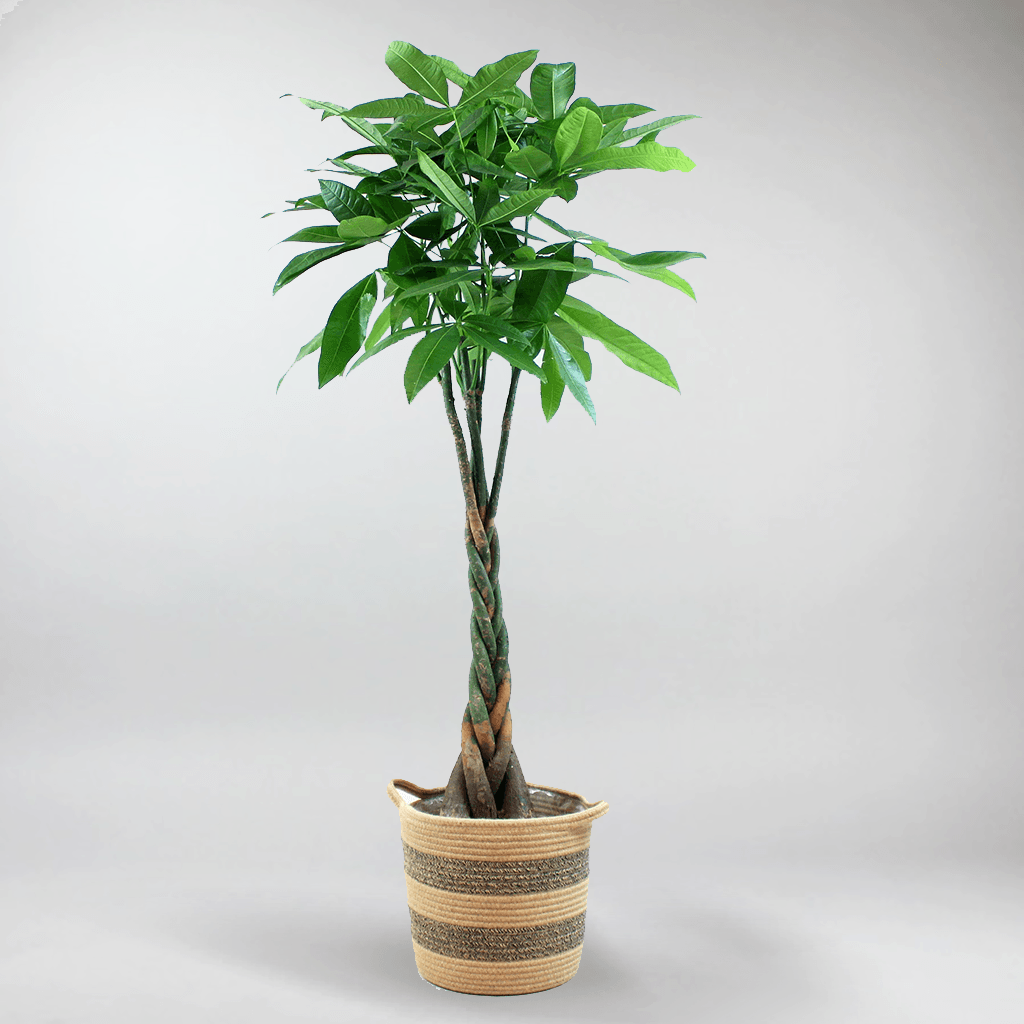
money tree in india Money Tree Indoor PlantQuick Care & Product Information Botanical Name Pachira aquatica Other Names Money Tree, Guiana Chestnut Symbolism Wealth, luck, harmony (Feng Shui & Vastu) Plant Type Indoor Plants Growth Style Braided trunk with glossy palmate leaves Eventual Height Up to 20m in wild; indoor height controlled by pot Light Requirements Bright, indirect light; tolerates partial shade Watering Needs Water when top soil dries; ~1 week (season dependent) Soil Preference
Quick Care & Product Information
| Botanical Name | Pachira aquatica |
| Other Names | Money Tree, Guiana Chestnut |
| Symbolism | Wealth, luck, harmony (Feng Shui & Vastu) |
| Plant Type | Indoor Plants |
| Growth Style | Braided trunk with glossy palmate leaves |
| Eventual Height | Up to 20m in wild; indoor height controlled by pot |
| Light Requirements | Bright, indirect light; tolerates partial shade |
| Watering Needs | Water when top soil dries; ~1× week (season dependent) |
| Soil Preference | Well-draining potting mix |
| Feeding | Monthly balanced feed in spring & summer |
| Temperature | Avoid below 10°C |
| Humidity | Normal indoor humidity; enjoys slight increase |
| Air Purifying | Yes - removes toxins like benzene & formaldehyde |
| Pet Friendly? | Yes - non-toxic |
| Care Level | Very easy / beginner-friendly |
| Size at Dispatch | Varies by pot size; typically table-top height |
| Special Benefits | Stress reduction, boosts mood & focus |
| Aquarium Use | Roots absorb nitrates & improve water quality |
| Cultural Beliefs | Attracts prosperity; ideal in wealth corner (Feng Shui) |
| Grooming | Wipe leaves to remove dust |
| Included Support | Braided trunk provides natural structure |
| Ideal For | Homes, offices, gifting, beginners |
Money Plant (Pachira Aquatica) - The Symbol of Prosperity & Peace:
The Money Plant, scientifically known as Pachira Aquatica, is more than just a charming green addition to your home or workspace. Loved for its elegant braided trunk and glossy leaves, this plant has deep cultural symbolism, practical benefits, and is a top choice for both seasoned plant parents and beginners.
A Symbol of Wealth, Luck & Harmony
Rooted in East Asian traditions, the Money Plant is a celebrated emblem of prosperity. Feng Shui enthusiasts believe it draws wealth and financial stability when placed in the "wealth corner" of a room or near workspaces. In Indian Vastu Shastra, it's ideally positioned in the Southeast to bring good fortune and positive energy. Folk legends even tell of a struggling Taiwanese farmer whose fortune changed after discovering this plant in his fields-earning it the name "Money Tree."
Why Choose a Money Plant?
1. Low-Maintenance Green Companion
The Money Plant is incredibly easy to care for. It thrives in indirect sunlight and needs watering only every 2-3 weeks in cooler months and every 7-10 days in warmer seasons. A perfect pick for those new to plant care or with a busy lifestyle.
2. Natural Air Purifier
Backed by the NASA Clean Air Study, this plant helps remove harmful indoor toxins such as benzene and formaldehyde, making it an excellent choice for improving air quality.
3. Aquatic Benefits for Aquariums
It's not just for pots-Money Plants can thrive in aquariums too. Their roots absorb nitrates, improving water quality and creating a healthier environment for fish.
4. Stress & Mood Support
Scientific research shows that interacting with indoor plants like the Money Tree can reduce stress and anxiety, enhance concentration, and uplift your mood-making it ideal for home offices and study areas.
Additional Perks & Beliefs
-
Radiation Absorption (Feng Shui): Often believed to reduce radiation from electronics-though not proven, many keep it near laptops and TVs.
-
Relationship Harmony: Said to foster a calm and happy home, strengthening household bonds.
-
Gift of Good Fortune: A popular and affordable gift for weddings, housewarmings, or office openings, symbolizing good luck and prosperity.
-
Easy Propagation: With just a few cuttings, you can grow new plants to gift or expand your indoor garden.
-
Aesthetic Flexibility: Its elegant appearance suits minimalist, boho, and modern interiors alike. Available in different sizes to fit desks, shelves, or floor pots.
Ideal For:
-
New plant parents
-
Gift-givers seeking meaningful greenery
-
Those seeking stress relief, air purification, or spiritual harmony
-
Anyone looking to add a low-effort, high-impact plant to their space
The Money Plant is not just visually appealing-it's a multi-functional houseplant with deep cultural roots and science-backed benefits. Whether you're decorating, detoxifying, or seeking good vibes, this green gem is a smart, thoughtful addition to any home or office.
Shipping Notes
- Free Standard Shipping on $100+ Orders to the USA.
- Except Preorder products are shipped in 48 hours.
- Delivery to the USA:
- Standard Shipping : 3-10 business days
- If time is of the essence, please consider selecting expedited delivery for faster service.
Exchange/Return Notes
- We offer a 30-day return/exchange service after receiving.
- Final sale items are not eligible for returns or exchanges.
- To process your return/exchange, please contact us at [email protected]
- Please click here for more details>>> Return & Exchange Policy