Pay in installments of $6.62 with
 ,
,
 and
and

Shipping Estimate
USA
- USA
- CAN
- USA
- CAN
Ships within 48 hours · Estimated delivery Aug 16 - Aug 21
 Promo Codes Available:
For Your Every Summer RSVP, with Code: SUMMER15
Description
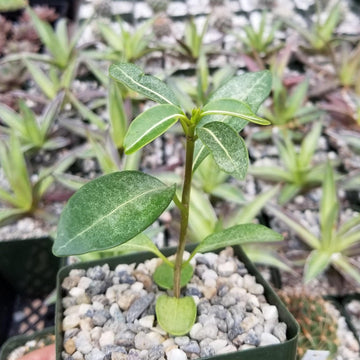
madagascar jasmine house plant Madagascar Jasmine – Stephanotis floribundaIntroducing the Madagascar Jasmine, known as Stephanotis floribundam, which is a beautiful and fragrant flowering vine that belongs to the Apocynaceae family. It is also known as Stephanotis Jasminoides or Marsdenia floribunda. Native to the island of Madagascar, which is located off the southeastern coast of Africa, it is known by various names, including "Pikafu" and "Bridal flower," reflecting its popularity in wedding bouquets and its delicate,
Introducing the Madagascar Jasmine, known as Stephanotis floribundam, which is a beautiful and fragrant flowering vine that belongs to the Apocynaceae family. It is also known as Stephanotis Jasminoides or Marsdenia floribunda.
Native to the island of Madagascar, which is located off the southeastern coast of Africa, it is known by various names, including "Pikafu" and "Bridal flower," reflecting its popularity in wedding bouquets and its delicate, cascading flowers.
The Stephanotis floribunda is a woody vine that can climb or trail, depending on its support.
It features glossy, dark oval green leaves that are opposite in arrangement and have a leathery texture.
As it matures, the plant can grow up to 20 feet long. This makes it a great choice for trellises, arbors, or containers where it can be trained to climb or cascade.
The Stephanotis flowers are tubular in shape, with waxy pure white petals that are fused together, forming a star-like shape. They have a sweet and intoxicating fragrance that fills the air, making them a popular choice for bridal Stephanotis bouquets and floral arrangements. These intensely fragrant tubular flowers typically bloom during the spring and summer, in clusters and can last for several weeks, adding a touch of elegance to any setting.
Propagation of the Madagascar Jasmine can be done through stem cuttings. Take a 4 to 6-inch cutting from a healthy stem, remove the lower leaves, and place it in a well-draining potting mix. Keep the soil consistently moist and provide bright, indirect light. With proper care, the cutting will develop roots and grow into a new Stephanotis plant.
Watering Needs
The beautiful Madagascar jasmine vine prefers thorough watering but allows the soil to slightly dry out between waterings. When you do water them, the most important thing is to take care not to overwater them as this can lead to root rot and fungal infections.
In the spring and summer growth season, your Madagascar Jasmine enjoys regular watering. Water the plant once or twice a week, depending on weather and soil moisture levels, deeply at the base to ensure it reaches the roots.
In winter, when the plant is in its dormant phase, you'll want to reduce the frequency of watering. Allow the top inch or so of soil to dry out before watering again. Be mindful not to let the plant sit in standing water, as it can be detrimental to its growth rate.
Remember, it's always a good idea to monitor the moisture levels by checking the soil with your finger. If it feels dry, it's time to water, but if it still feels slightly moist, hold off for a bit. By providing the Madagascar Jasmine with the right amount of water, you'll help it thrive and showcase its lovely blooms.
Light Requirements
When growing Stephanotis floribunda indoors, it thrives in bright, indirect light. Place it near a window that receives bright, filtered sunlight for several hours a day. Avoid exposing it to direct sunlight, as it can scorch the leaves.
When grown outdoors, it prefers full sun to partial shade for at least 4-6 hours daily. A location that receives morning full sun exposure and afternoon partly sunny exposure is ideal. This will protect the plant from intense sunlight and prevent leaf burn.
Pro Tip
It's important to note that the Madagascar Jasmine is sensitive to sudden changes in light conditions. If you're transitioning it from indoors to outdoors or vice versa, acclimate it gradually over a period of a few weeks to prevent shock and leaf drop.
Remember, finding the right balance of light is crucial for your plant's overall health and blooming potential. Providing it with the appropriate light conditions, whether indoors or outdoors, will help it thrive and showcase its beautiful fragrant Stephanotis flowers.
Optimal Soil & Fertilizer Requirements
The Madagascar Jasmine likes very airy, porous, nutrient-rich soil with a pH of 5.5-6.5. Cacti require fast-draining soil that dries completely between waterings. Your soil mixture must have a sandy texture and a low water-holding capacity, just like desert soil.
As an alternative, you can create your own potting mix by combining equal portions of perlite, coarse sand, and good natural potting soil. Ideally, you want to use our specialized potting mix that contains 5 natural substrates and organic mycorrhizae to promote the development of a strong root system that helps your vine plant to thrive.
As for fertilizing, the Madagascar Jasmine benefits from regular feeding during the growing season. You can use a well-balanced (5-10-5), water-soluble NPK fertilizer specifically formulated for flowering plants to encourage prolific bloom. Follow the instructions for the correct dilution and frequency of application. Generally, fertilize once a year in the spring, and reduce or stop fertilizing during the winter months when the Madagascar jasmine plant is in its dormant phase.
It's important to avoid over-fertilizing the Stephanotis floribunda, as this can lead to excessive foliage growth at the expense of blooms. Always err on the side of caution and follow the recommended dosage. Additionally, make sure to water the plant thoroughly before applying fertilizer to prevent root burning.
Hardiness Zones & More
When growing indoors, this Madagascar jasmine prefers a warm environment ideally between 65°F and 75°F. It can tolerate slightly cooler temperatures but avoid exposing it to temperatures below 55°F as it may cause damage to the plant.
The Stephanotis vines plant appreciates moderate to high humidity levels. You can increase humidity around the plant by misting its leaves with water regularly or placing a tray filled with water and pebbles beneath the pot. This will create a humid microclimate around the plant, mimicking its natural habitat.
For outdoor cultivation, this Stephanotis floribunda is typically suitable for USDA zones 10-12. It thrives in warm tropical regions where temperatures rarely drop below 30°F. If you live in a colder region, you can still grow it outdoors during the warmer months and bring it indoors or provide protection during winter.
Final Thoughts
Overall, the Madagascar Jasmine (Stephanotis floribunda) is a captivating flowering vine native to Madagascar. With its glossy dark green leaves, fragrant star-shaped fragrant flowers, and the ability to climb or trail, it adds a touch of elegance to any garden or floral arrangement. It is commonly used in bridal wreaths due to its beauty and sweet fragrance. When it comes to care, it thrives in bright, indirect light and requires consistently moist, well-draining soil. To grow stephanotis, provide a suitable trellis, wire round, or fencing to support the twining stems or vine's tendrils and prevent tangles. Whether used as a striking ornamental vine, a fragrant addition to floral arrangements, or a symbol of love in bridal bouquets, it is a stunning plant that brings beauty and elegance to any space. Its delicate tubular flowers contrast nicely and make it a Favorite among gardeners and flower enthusiasts alike.
We think you will love this plant – order your very own Madagascar jasmine plant for sale today and start enjoying its beauty in no time!
Shipping Notes
- Free Standard Shipping on $100+ Orders to the USA.
- Except Preorder products are shipped in 48 hours.
- Delivery to the USA:
- Standard Shipping : 3-10 business days
- If time is of the essence, please consider selecting expedited delivery for faster service.
Exchange/Return Notes
- We offer a 30-day return/exchange service after receiving.
- Final sale items are not eligible for returns or exchanges.
- To process your return/exchange, please contact us at [email protected]
- Please click here for more details>>> Return & Exchange Policy