Pay in installments of $6.33 with
 ,
,
 and
and

Shipping Estimate
USA
- USA
- CAN
- USA
- CAN
Ships within 48 hours · Estimated delivery Sep 16 - Sep 21
 Promo Codes Available:
For Your Every Summer RSVP, with Code: SUMMER15
Description
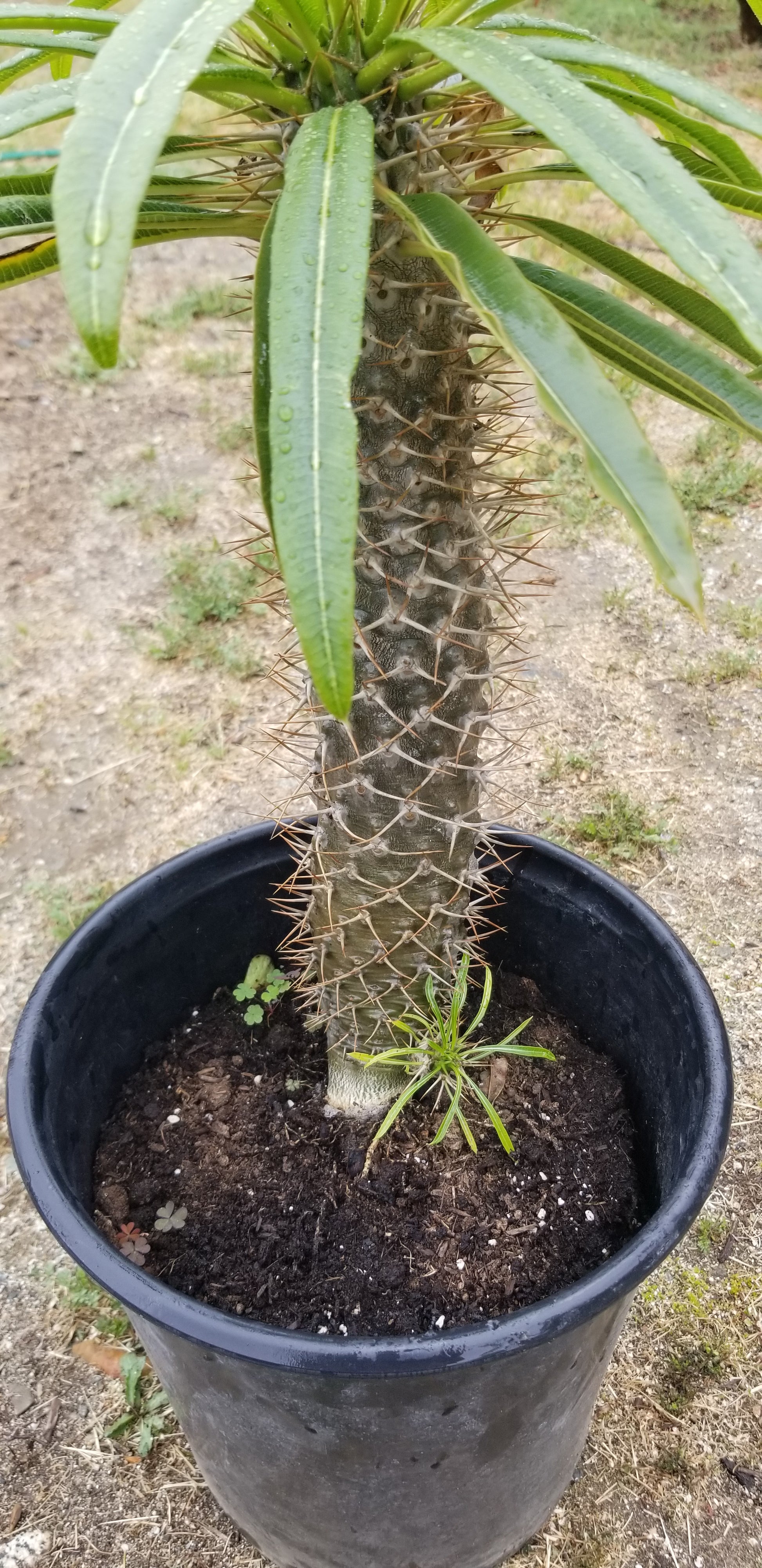
madagascar palm house plant Madagascar Palm "Pachypodium Lamerei" (5 Gal. Pot) – Beaultiful Desert PlantsMadagascar Palm "Pachypodium lamerei"* Ship Bare root (without pot and soil) Pot size is only notated for your reference.* If you are going plant your cactus or succulent in a pot, have it prepared beforehand with cactus mix soil (recommended), then water lightly.*If you going to plant it into the ground, ensure proper drainage*We Only ship Priority to ensure your Succulents plant will take between 2 to 3 days to arrive, we are not responsible for any
Madagascar Palm "Pachypodium lamerei"* Ship Bare root (without pot and soil) Pot size is only notated for your reference.
* If you are going plant your cactus or succulent in a pot, have it prepared beforehand with cactus mix soil (recommended), then water lightly.
*If you going to plant it into the ground, ensure proper drainage
*We Only ship Priority to ensure your Succulents plant will take between 2 to 3 days to arrive, we are not responsible for any the shipping carriers are delays.
* My Jades have really short roots, We reefed to the gallons that are planted in the add so you can see or estimate the actual size of the plant, do not expect to receive any Jade with long roots, That's why these trees are easy to Trim and give a shape as a bonsai tree and plant them in a shallow pot.
* We try to ship our succulent plants as soon as we get the order is customer responsibility to be aware of the plant arrival also customers will get a notification by email. If the customer wants to delay or change the day of the shipment please contact us as soon as possible.
*We take great care in the packaging of your plants, but unfortunately the same cannot always be said in how they are handled once they leave us
.*Is the customer responsibility to purchase a (Heat pack) if the Succulent plant is ship to a cold area, we usually recommended it if the whether is 35* or lower, If you are purchasing a large succulent plant please make sure you buy enough heat pack to cover the plant (1 heat pack every 12") We are not responsible for damages to the Succulent plant if is NOT enough coverage of the heat pack, and if is delay by USPS, the heat only will keep the box warm for 72 hours.
The Madagascar palm (Pachypodium lamerei) is not related to true palms at all. This unusual plant is actually a succulent shrub in the Apocynaceae dogbane family within the Pachypodium genus.
Native to southern Madagascar, this tropical species is a tender perennial hardy to USDA Zones 9 through 11. Often grown as a houseplant, it can also be overwintered indoors in cooler climates.
On a single thick grey trunk, the stems are thick and thorny. The leathery, deciduous foliage is blue-green to dark green. Terminal clusters of yellow-throated white flowers bloom as soon as late spring to early summer. Petals spiraling, each flower measures about four inches across. The aromatic flowers are usually white, but can sometimes be yellow, pink, or red.
When established outdoors in the ground, the plant's slender, straight spindly trunk can reach up to 24 feet high with spirally arranged leaves at the top. When grown indoors, it remains much smaller, at most six feet tall. This shrub rarely produces branches.
Madagascar palm matures within 10 or more years' time. Large plants tend to bloom in summer, while smaller, younger plants rarely bloom.
Botanical Name Pachypodium lamerei
Common Names Madagascar Palm, Madagascar Cactus Palm Tree, Pachypodium Species, Club Foot
Plant Type Deciduous succulent (not related to true palms)
Mature Size 12 to 24 ft. tall, 10 to 12 ft. wide
Sun Exposure Full sun
Soil Type Cactus compost, well-drained chalk, loam, or sand
Soil pH Alkaline
Bloom Time Summer
Flower Color White, yellow, red, or pink
Hardiness Zones 9-11, USDA
Native Area Southern Madagascar
Toxicity Poisonous to humans and pets
Madagascar Palm Care
Your Madagascar palm needs a space 36 to 48 inches wide. Establish it in the ground or as potted plants on a patio or indoors. Grow this plant indoors year-round in mild-winter locations.
Where temperatures are warmer, cultivate in a clay pot (not a plastic one) outside in summer. Selecting a container with proper drainage holes will help avoid root rot.
Light
Grow your Madagascar palm under in full light and fairly warm temperatures. Indoors, set in a south or west-facing window.
Soil
Madagascar palm can adapt to a variety of well-drained soils. It will grow in the sandy soil of old dunes near the sea, in limestone, schists, etc. For best results, plant in cactus compost. Maintain a mildly acidic to mildly alkaline pH between 6.1 and 7.8.
Water
Allow the soil to dry between waterings in spring and summer. Expect leaves to drop in winter unless specimens are grown in south Florida or indoors where plants may keep their foliage.
Whenever the surface soil becomes dry, water more. Water just to maintain dry/mesic soil moisture. Water less once your Madagascar palm is established and even less in winter.
Fertilizer
Feed the tree a general-purpose liquid houseplant fertilizer diluted to half-strength at the start of spring and the beginning of summer, or a low nitrogen liquid fertilizer every four to five weeks.
Whether grown indoors or outdoors, do not fertilize in fall or winter. Continue watering and feeding whenever new growth shows.
With proper care, Madagascar palms will grow around 12 inches per year when happily and healthily.
Is the Madagascar Palm toxic?
All parts of the plants are toxic for humans and pets.
Symptoms of poisoning
The Madagascar palm has a highly toxic sap that has actually been used to create poisonous arrows since ancient times in Africa. If ingested by pets, the glycosides can cause gastric upsets, inappetence, heart arrhythmias and lethargy. If ingested in large enough quantities it can be fatal.
In humans, symptoms can include finger swelling and severe pain.
Pruning
Pruning is not usually needed for a Madagascar palm. Even so, the plant actually has incredible regenerative properties. While this species typically grows a single trunk, sometimes it will branch after flowering or after the main stem is injured.
To maintain a smaller size or to try to induce branching, prune the tree with care. Slice the top with a sterile knife, saw, or shears to prevent infection.
Propagating Madagascar Palm
In late spring, propagate by seed at 66-75°F (19-24°C) or take stem-tip cuttings. Soak seeds for at least 24 hours in warm water. Be patient, as the Madagascar palm tends to sprout quite slowly, anywhere from three weeks to six months.
For quicker results, break off a piece of new shoots above the base. Allow shoots to dry for a week. Then plant in a well-draining soil mix.
Common Pests/Diseases
This species is relatively disease resistant though it is vulnerable to aphids while flowering.
Keep an eye out for cassava whitefly and lance nematode. If it does show signs of pest infestation or disease, remove the parts that are damaged.
Shipping Notes
- Free Standard Shipping on $100+ Orders to the USA.
- Except Preorder products are shipped in 48 hours.
- Delivery to the USA:
- Standard Shipping : 3-10 business days
- If time is of the essence, please consider selecting expedited delivery for faster service.
Exchange/Return Notes
- We offer a 30-day return/exchange service after receiving.
- Final sale items are not eligible for returns or exchanges.
- To process your return/exchange, please contact us at [email protected]
- Please click here for more details>>> Return & Exchange Policy
4.0 ★★★★★
Based on 17 reviews
Sort
Product Reviews
★★★★★ 5
Nice looking and durable
Size: 8.5" x 5.8" x 1.9", Color: Black
I bought this for my little nephew to put his rocks in and out and to keep them in. It’s perfect and durable.
WAS THIS REVIEW HELPFUL?YesReportShare
Reviewed in the United States on January 12, 2026
★★★★★ 5
Perfect size
Size: 8.5" x 5.8" x 1.9", Color: Black, Size: 8.5" x 5.8" x 1.9", Color: Black
Love the look of leather and metal together.
WAS THIS REVIEW HELPFUL?YesReportShare
Reviewed in the United States on April 30, 2026
★★★★★ 4
Handy small tray
Size: 8.5" x 5.8" x 1.9", Color: Black, Size: 8.5" x 5.8" x 1.9", Color: Black
This tray fits a small side table well. It holds a few remotes and has nice details.
WAS THIS REVIEW HELPFUL?YesReportShare
Reviewed in the United States on August 18, 2025
★★★★★ 5
Valet Tray
Size: 8.5" x 5.8" x 1.9", Color: Black
Perfect!
WAS THIS REVIEW HELPFUL?YesReportShare
Reviewed in the United States on April 7, 2026
★★★★★ 5
Just lovely
Size: 8.5" x 5.8" x 1.9", Color: Orange
Purchased this several months ago and liked it, but I had received so many complements on this tray since then I had to submit this review. The tray is sturdy and put together well, and the size is exactly what was given before purchase.
WAS THIS REVIEW HELPFUL?YesReportShare
Reviewed in the United States on May 27, 2026