Pay in installments of $6.14 with
 ,
,
 and
and

Shipping Estimate
USA
- USA
- CAN
- USA
- CAN
Ships within 48 hours · Estimated delivery Oct 24 - Oct 29
 Promo Codes Available:
For Your Every Summer RSVP, with Code: SUMMER15
Description
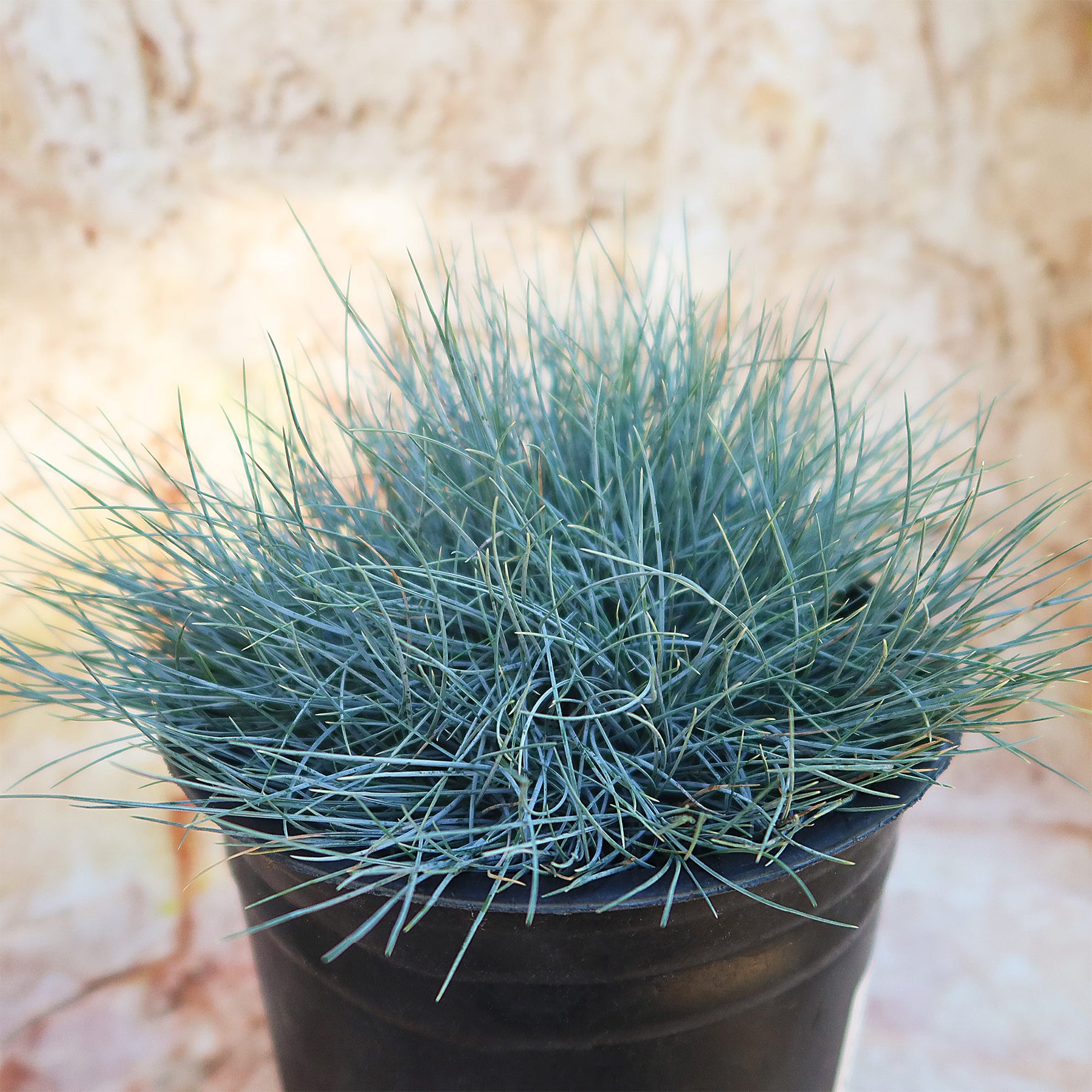
blue grass succulent Shop 'Festuca glauca – Blue fescue Grass' Care & Growing GuideThe Festuca glauca, known as Blue Fescue, is a colorful ornamental grass celebrated for its compact growth habit and striking silvery blue foliage. This cold hardy perennial is a favorite among gardeners due to its low maintenance requirements and versatility. It is known for its pale green flowers that turn buff when mature and its ability to provide year round visual interest in landscapes. Whether planted as a border, ground cover, or in
The Festuca glauca, known as Blue Fescue, is a colorful ornamental grass celebrated for its compact growth habit and striking silvery-blue foliage. This cold-hardy perennial is a favorite among gardeners due to its low-maintenance requirements and versatility. It is known for its pale green flowers that turn buff when mature and its ability to provide year-round visual interest in landscapes. Whether planted as a border, ground cover, or in containers, Blue Fescue grass brings a touch of elegance and texture to garden designs, making it a popular choice for both residential and commercial landscaping. It is also known as Blue ovina glauca, blue fescue grass, or Festuca ovina glauca.
Native to Europe, this perennial grass forms neat, rounded clumps of fine, needle-like leaves in shades of silvery-blue to steel-gray.
It typically grows up to 12 inches tall and spreads up to 18 inches wide, creating a tidy and compact appearance.
Blue Fescue is evergreen in milder climates, providing year-round color, while in colder regions, its foliage may fade slightly during winter.
Its drought tolerance and preference for well-drained soil make it an excellent choice for xeriscaping and low-water landscapes.
Blue fescue flowers bloom in late spring to early summer, with delicate flower spikes rising above the foliage.
These flowers are typically yellow-green when they first emerge, gradually maturing to a light tan or beige. Though not particularly showy, the light green flowers add an airy, textural element to the plant and complement its blue foliage.
Many gardeners leave the flower heads intact for a natural look, while others trim them back for a tidier appearance. Beyond its visual appeal, Blue Fescue grass serves functional purposes in landscaping.
It is often used as a ground cover to control erosion on slopes or as a mass planting for a uniform and tidy appearance. Its silvery-blue hues pair beautifully with plants that have contrasting foliage, such as succulents, lavender, or darker green shrubs. Blue Fescue also works well in containers, providing texture and color to patio arrangements.
When and How to Water Your Blue Fescue Grass
Festuca glauca is remarkably drought-tolerant ornamental grass. This hardiness comes from its finely-textured blue-gray foliage, which helps conserve moisture by reducing water loss through transpiration. The plant is particularly well-suited to dry climates, rocky landscapes, or xeriscaping projects, where water conservation is essential. While it can handle dry spells, providing occasional water ensures that it maintains its attractive, lush appearance. Prolonged drought without supplemental watering, especially during extreme heat, can cause the plant to lose its vibrant color or develop brown tips.
In the spring and summer, during its active growth phase, Festuca glauca benefits from a moderate but consistent watering schedule. Aim to water deeply every 7–10 days, ensuring the top 2–3 inches of soil dry out between waterings. In sandy or fast-draining soils, you may need to water slightly more frequently. Avoid shallow watering, as this encourages weak, shallow root systems. If you're unsure, check the soil's moisture level before watering by inserting your finger a few inches into the soil—if it feels dry, it's time to water. In hotter or arid regions, supplement with additional water during heat waves to prevent stress.
In late summer to early fall, Festuca glauca typically enters dormancy, when its growth rate slows. During this period, this grass blue fescue requires significantly less water. Cut back to watering once every 2–3 weeks, ensuring the soil remains slightly moist but never soggy. Overwatering during dormancy can lead to root rot or fungal problems. For areas that experience winter rains, additional watering is rarely needed, as natural precipitation typically suffices. Monitor the plant for signs of overwatering, such as yellowing foliage or mushy roots.
Light Requirements – Where to Place Your Festuca glauca
When growing indoors, place the blue fescue plant in a bright location where it can receive at least 6–8 hours of direct sunlight daily. A south- or west-facing window is ideal for maximum sun exposure. If natural light is insufficient, supplement with a full-spectrum grow light, positioned about 12–18 inches above the plant, for 10–12 hours daily. Lack of sufficient light indoors can cause the plant to lose its vibrant blue color and become leggy. Rotate the plant every few weeks to ensure even growth and prevent it from leaning toward the light source.
For outdoor cultivation, light blue fescue thrives in full sun, requiring a minimum of 6–8 hours of sunlight daily to maintain its compact growth and striking blue-gray foliage.
While it can tolerate partial shade, its vibrant blue-gray foliage is best achieved in well-lit conditions.
Choose a planting site with unobstructed exposure to sunlight, as shaded areas can cause the blue grasses fescue to fade to green or become sparse.
In hotter climates, some light afternoon shade may help protect the plant from scorching during peak summer temperatures, but excessive shade should be avoided to prevent poor growth.
Optimal Soil & Fertilizer Needs
Festuca glauca grows best in well-draining soil, such as sandy or loamy soils, with a neutral to slightly acidic pH of 6.0–7.0. It struggles in heavy clay or waterlogged soils, as these conditions can lead to root rot and poor growth. Planet Desert has specialized potting soil, opens in a new tab that includes an organic substrate with mycorrhizae to help with the growth of a healthy root system to help your Blue fescue grass thrive.
When it comes to fertilizer, Festuca glauca is a low-maintenance plant with minimal feeding requirements. Apply balanced, slow-release NPK fertilizer (5-10-5) once in early spring to encourage healthy growth. Avoid over-fertilizing, as excess nutrients can lead to overly lush foliage, which compromises the plant's tidy, mounded appearance. If you prefer organic fertilizers, compost or well-rotted manure can be worked into the soil during planting or top-dressed in early spring.
Hardiness Zones & More
When grown indoors, blue fescue thrives in temperatures between 60–75°F. Avoid exposing it to sudden temperature fluctuations, such as cold drafts or direct heat from radiators, as these can cause stress and browning. Maintain moderate humidity levels of 40–50%, which mimics its natural environment. If the air indoors becomes too dry, especially during winter, use a humidifier or mist the plant lightly once a week. Bright light, as mentioned earlier, is crucial for indoor growth to prevent leggy or weak foliage.
For outdoor cultivation, the Festuca glauca is hardy in USDA zones 4–8, making it capable of withstanding extreme cold down to -30°F.
In these zones, your blue fescue ornamental grass thrives with minimal care, provided it has well-draining soil and full sun exposure.
While it tolerates low humidity well, it’s important to maintain proper airflow around the plant in humid climates to prevent fungal diseases. Plant Festuca glauca in raised beds or slopes to ensure excess water drains away easily.
Wildlife – Festuca glauca Attracts the Following Friendly Pollinators
While Festuca glauca is primarily grown for its ornamental value, its inconspicuous flower spikes attract beneficial pollinators such as bees, hummingbirds, and butterflies during its blooming season. These pollinators are drawn to their subtle pollen sources, making it a valuable addition to wildlife-friendly gardens. Its clumping habit also provides shelter for small insects, adding ecological value. Additionally, Blue Fescue is deer-resistant and generally unappealing to pests, which adds to its appeal as low-maintenance ornamental grass.
According to the ASPCA, Festuca glauca is non-toxic to humans, dogs, cats, and birds. This makes your ornamental blue fescue grass a safe choice for pet-friendly households and gardens, eliminating concerns about accidental ingestion by curious pets.
Pruning and Maintenance of Blue Fescue
Pruning and maintenance are essential to keep your blue fescue looking its best. Here are some tips to help you prune and maintain your blue fescue:
- Early Spring Pruning: The best time to prune your blue fescue is in early spring. This timing helps remove any dead or damaged foliage accumulated over the winter, promoting fresh, new growth. Use a pair of sharp scissors or pruning shears to cut back the foliage to about 3-4 inches from the ground.
- Removing Seed Heads: As blue fescue matures, it may produce seed heads that can make the plant look untidy. Regularly remove these seed heads to maintain a neat appearance.
- Dividing the Plant: To prevent your blue fescue from becoming too congested and to rejuvenate its growth, divide the plant every 2-3 years. Carefully dig up the plant and split the root ball into smaller sections, then replant each section in well-draining soil.
- Mulching: Apply a layer of mulch around the base of the plant. Mulching helps retain moisture, suppress weeds, and protect the roots from temperature fluctuations.
How to Propagate Your Blue Fescue
The most effective way to propagate Festuca glauca is through division. During early spring or early fall, dig up the plant and carefully divide the root ball into smaller sections using a sharp, sterilized knife or spade. Each division should have healthy roots and foliage. Replant each division in well-draining soil, and water thoroughly. Ensure proper light exposure, as light blue fescue thrives in full sun but can tolerate partial shade, to help the divisions establish quickly.
Key Takeaways
- Blue Fescue thrives in dry conditions and is highly drought-tolerant, making it perfect for xeriscaping or low-water gardens.
- It is commonly grown along borders, in rock gardens, as ground cover, or in containers, adding texture and color to various garden designs.
- Renowned for its striking silvery-blue foliage and compact growth, it’s one of the most popular ornamental grasses in residential and commercial landscaping.
- Blue Fescue is cold-hardy and can tolerate temperatures as low as USDA Zone 4, remaining evergreen in milder climates.
- This grass is non-toxic to humans and pets, making it a safe choice for family-friendly gardens.
The Bottom Line
Overall, the Festuca glauca (Blue Fescue) is a compact, hardy ornamental grass prized for its stunning blue-gray foliage and low-maintenance nature. Whether used as a border plant, ground cover, or accent in containers, it brings texture and color to landscapes. Its drought tolerance, non-toxicity, and ability to attract pollinators make it an eco-friendly choice. With minimal care requirements—occasional watering, full sun, and well-draining soil—it’s an excellent option for both beginner and experienced gardeners. Order your very own blue fescue for sale today!
Shipping Notes
- Free Standard Shipping on $100+ Orders to the USA.
- Except Preorder products are shipped in 48 hours.
- Delivery to the USA:
- Standard Shipping : 3-10 business days
- If time is of the essence, please consider selecting expedited delivery for faster service.
Exchange/Return Notes
- We offer a 30-day return/exchange service after receiving.
- Final sale items are not eligible for returns or exchanges.
- To process your return/exchange, please contact us at [email protected]
- Please click here for more details>>> Return & Exchange Policy