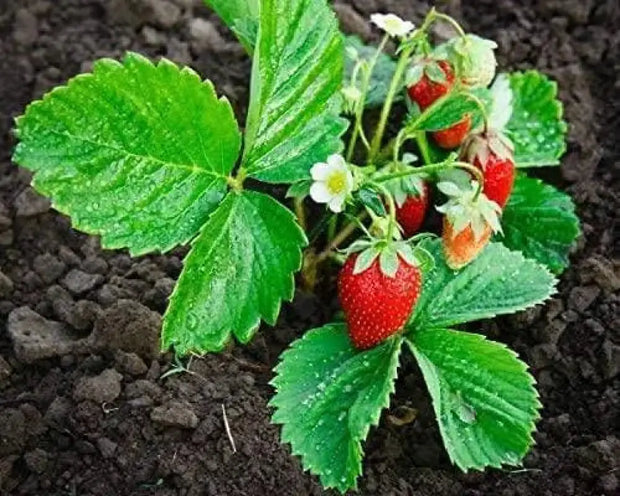
SKU: 89857016064
organic strawberry seed

organic strawberry seed 2 pack x 1200 seeds Organic Strawberry Seeds for Year-Round Planting

Sale price$20.66 Regular price$22.96
Save 10%

Pay in installments of $5.74 with ShopPay, AfterPay and Klarna

Shipping Estimate
USA
  • USA
  • CAN

Ships within 48 hours · Estimated delivery Oct 19 - Oct 24

Promo Codes Available:

For Your Every Summer RSVP, with Code: SUMMER15

Description

organic strawberry seed 2 pack x 1200 seeds Organic Strawberry Seeds for Year-Round PlantingTL; DR (AI Summary) 2400 organic strawberry seeds (Fragaria vesca & everbearing) for year round container gardening; ideal for small spaces like balconies and patios, with berries ready in 6090 days. Best for: Urban balcony gardeners Best for: Families with kids Best for: Home cooks wanting fresh berries Best for: Container and hanging basket growers Not suitable for: Large scale commercial farming Not suitable for: Indoor only growing without

TL;DR (AI Summary)

2400 organic strawberry seeds (Fragaria vesca & everbearing) for year-round container gardening; ideal for small spaces like balconies and patios, with berries ready in 60–90 days.

  • ✅ Best for: Urban balcony gardeners
  • ✅ Best for: Families with kids
  • ✅ Best for: Home cooks wanting fresh berries
  • ✅ Best for: Container and hanging basket growers
  • ❌ Not suitable for: Large-scale commercial farming
  • ❌ Not suitable for: Indoor-only growing without sufficient light
  • ❌ Not suitable for: Immediate harvest (requires 60–90 days)

Key Features:

  • Seed Count: 2400 seeds (2 packs of 1200)
  • Variety: Organic Fragaria vesca & everbearing types
  • Growing Locations: Hanging baskets, containers, patios, balconies
  • Time To Harvest: 60–90 days from sowing
  • Climate Adaptability: Perennial in cooler zones; everbearing annual in warm climates


Grow Your Own Strawberry Seeds (Fragaria vesca & everbearing varieties) – Sweet, Fragrant Homegrown Berries for Hanging Baskets, Container Patios & Urban Balcony Gardens Nationwide

Strawberry seeds (especially alpine and everbearing types like Fragaria vesca) let you grow true-to-type, intensely flavorful berries that taste far better than store-bought. These compact, runnerless or low-runner plants produce sweet, aromatic fruit from late spring through fall — perfect for fresh eating, smoothies, jams, and desserts. They thrive in small spaces: hanging baskets, window boxes, 5–10 gallon pots, or vertical planters. No big yard or raised beds required!

Ideal for urban home cooks, balcony gardeners, families with kids, and anyone wanting pesticide-free, ultra-fresh strawberries straight from their own space. In Chicago and cooler zones they grow beautifully as productive perennials in containers; in warmer southern states they perform as everbearing annuals with afternoon shade.

Step-by-Step Growing Guide (Seed to First Berries in 60–90 Days)

  1. Seed Prep & Sowing
    Tiny seeds — cold stratify for best results (place seeds in moist paper towel in fridge for 2–4 weeks). Surface sow (do not bury) on moist, sterile seed-starting mix; they need light to germinate. Keep at 65–75°F. Germinates in 14–30 days.
    • Nationwide timing tip: Start indoors 8–10 weeks before last frost. Chicago/Midwest/Northeast: late February–March. South/Southwest: February or direct sow once soil warms. West Coast: almost any mild month.
  2. Planting & Container Setup
    Full sun (6–8+ hours) or light afternoon shade in hot climates. Use well-draining, rich potting mix in 5–10 gallon pots, hanging baskets, or strawberry jars. Space 6–8 inches apart. Excellent drainage prevents crown rot.
  3. Germination & Early Care
    Keep soil evenly moist (mist gently) until sprouts appear. Thin or transplant once true leaves form. Light balanced fertilizer every 3–4 weeks after first true leaves. Protect young seedlings from slugs and birds.
  4. Growth & Maintenance
    Plants form neat mounds (6–12 inches tall) with few or no runners on alpine types. Mulch with straw to keep fruit clean and retain moisture. Consistent watering (never soggy) and occasional feeding keep production high. In Chicago summers they love balconies; in southern heat provide shade cloth during peak afternoon sun.
  5. Harvesting
    Pick fully red, fragrant berries when they easily detach. Harvest every 1–2 days for continuous production. Everbearing varieties keep fruiting until first hard frost. Save a few berries for next year’s seed saving!

Pro Tip for Every State: Grow in hanging baskets or containers for easy mobility — move to shade in heat waves or bring indoors before frost in Chicago. Vertical or stacked planters maximize tiny balconies.

Easy Strawberry Recipes for Home Cooks

  • Fresh Strawberry Balsamic Salad: Sliced berries with greens, goat cheese, and balsamic glaze.
  • Homemade Strawberry Jam or Freezer Jam: No pectin needed with these sweet varieties.
  • Strawberry Shortcake or Smoothies: Classic shortcake or blend with yogurt and banana for a quick breakfast.
  • Patios” rank fast.

Important Note: Strawberry seeds can take patience (slow germination), but the reward is superior flavor and true-to-type plants. Grow in containers everywhere to manage space and soil quality.

🍓🌱

Key Benefits

  • Sweet red berries from seed-grown plants
  • Compact plants – suitable for containers and hanging baskets
  • Cold stratification recommended for best germination
  • First fruit: 4–6 months from germination
  • Perennial – plants produce for 3+ years

How to Grow

  1. Cold stratify: freeze seeds 2–4 weeks before sowing
  2. Sow on surface of moist seed-starting mix; seeds need light
  3. Keep at 60–70°F; germination in 2–6 weeks (variable)
  4. Transplant seedlings when 2–3 inches tall; space 8–12 inches
  5. Plant in full sun with rich, well-draining soil
  6. Pinch first flowers to strengthen plant; allow later blooms to fruit

Specifications

Quantity: Type: Organic strawberry (variety may vary). First fruit: 4–6 months from germination. Spacing: 8–12 inches. Sun: Full sun (6+ hours). Lifespan: Perennial (3+ years). Cold stratification: Recommended.

Care & Storage

Store seeds in refrigerator or freezer for best viability. Strawberry seeds can be challenging—expect variable germination rates. Mulch plants in winter in cold climates.

Strawberry Seeds (Fragaria vesca & everbearing varieties) – Detailed 50-State Sowing Calendar (2026)

Strawberry seeds (especially alpine and everbearing types) are cool-season perennials that need cold stratification (2–4 weeks in the fridge) for reliable germination. They are more cold-tolerant than tropical herbs but hate extreme summer heat. Once established they fruit for years in containers.

Key rules that apply to every state:

  • Cold stratify first: Mix seeds with moist paper towel or vermiculite, seal in a bag, and refrigerate 2–4 weeks before sowing.
  • Surface sow (do not bury) — seeds need light. Germination is slow (14–30 days) at 65–75°F.
  • Start indoors 8–10 weeks before your last spring frost date.
  • Transplant outdoors after last frost when soil temperature is 50°F+ (strawberries tolerate light frost better than most tender crops).
  • In USDA zones 8–11 grow as fall-planted perennials or with afternoon shade.
  • Perfect for containers and hanging baskets nationwide.

Detailed 50-State Sowing Calendar (Grouped by Region for Easy Reading)
Dates are averages based on 50% probability last spring frost and typical 2026 conditions. Adjust ±7–10 days for your exact microclimate or elevation.

Region / States

Indoor Start (after stratification)

Transplant / Direct Sow

Notes / Example Cities

Northeast (ME, NH, VT, MA, RI, CT, NY, PA, NJ)

Late Jan – mid Feb

April 25 – May 20

New York City: Stratify Jan → Indoor early Feb → Transplant mid May

Midwest & Great Lakes (IL, IN, OH, MI, WI, MN, IA, MO, ND, SD, NE, KS)

Late Jan – late Feb

April 20 – May 15

Chicago, IL: Stratify mid Jan → Indoor late Jan–mid Feb → Transplant late April–early May

Mid-Atlantic & Upper South (DE, MD, DC, VA, WV, KY, NC, TN)

Mid Jan – early Feb

April 10 – May 5

Washington DC: Stratify late Jan → Indoor early Feb → Transplant late April

Southeast & Gulf (SC, GA, AL, MS, AR, LA, OK)

Dec – mid Jan

March 20 – April 20

Atlanta: Stratify Dec → Indoor early Jan → Transplant mid April (or fall plant)

Texas

North: Jan

Central/South: Dec–Jan

North: mid April

Central/South: March–early April

Dallas: Indoor early Jan → Transplant mid April

Houston: Fall planting recommended for best results

Florida

North: Nov–Dec

Central/South: Oct–Dec

North: Feb–March

Central/South: Dec–Feb

Miami: Plant in fall (Oct–Dec) for spring crop; treat as short-lived perennial

Southwest (AZ, NM, UT, NV)

Late Dec – early Feb

March 15 – April 25

Phoenix: Fall planting (Oct–Dec) or early spring with shade

Flagstaff: Indoor Feb → Transplant May

Mountain & Northern West (CO, ID, MT, WY)

Late Jan – mid Feb

Late April – late May

Denver: Stratify Jan → Indoor mid Feb → Transplant mid May

Pacific Northwest (WA, OR)

Late Jan – mid Feb

April 25 – May 20

Seattle: Indoor early Feb → Transplant mid May

California

Northern/Coastal: Jan–Feb

Southern/Inland: Dec–Jan

March–May

Los Angeles: Fall planting ideal

San Francisco: Indoor Jan → Transplant March–April

Alaska

Mid Feb – March

Late May – early June

Anchorage: Short season — best in containers with protection

Hawaii

Not needed (mild year-round)

Year-round (best Oct–March)

Honolulu: Plant in cooler months for strongest growth

Pro Tips for Every State

  • Chicago / Midwest / Northeast gardeners: Stratify in January and start indoors under grow lights for strong transplants ready around Mother’s Day. Containers let you move plants indoors during surprise late freezes.
  • Southern & Southwestern gardeners: Fall planting (September–December) often gives better spring crops than spring planting. Provide afternoon shade and consistent moisture in summer.
  • Container / balcony growers: Use 5–10 gallon pots or hanging baskets — perfect for urban spaces and easy to protect from extreme heat or cold.
  • Fall planning: In zones 7–11 you can start a second crop in late summer/fall for next year’s harvest.

🍓🌱

Key Terms

  • Fragaria × ananassa — Botanical name for garden strawberry
  • Cold stratification — Exposing seeds to cold to break dormancy and improve germination
  • Perennial — Plants that live and produce for multiple years

The first strawberry from a plant you grew from seed tastes sweeter than any store-bought berry—because you earned it.

Shipping Notes
  • Free Standard Shipping on $100+ Orders to the USA.
  • Except Preorder products are shipped in 48 hours.
  • Delivery to the USA:
  1. Standard Shipping : 3-10 business days
  • If time is of the essence, please consider selecting expedited delivery for faster service.
Exchange/Return Notes
  • We offer a 30-day return/exchange service after receiving.
  • Final sale items are not eligible for returns or exchanges.
  • To process your return/exchange, please contact us at [email protected]
  • Please click here for more details>>> Return & Exchange Policy
SKU: 89857016064

Discover Niche Categories That Outsell organic strawberry seed

Top-Converting Item to Boost Your Average Order

4.9 ★★★★★
Based on 10 reviews
Sort
Highest Rating
Newest First
Oldest First
Product Reviews
D
Verified Purchase
delia Richardson
Birmingham, US
★★★★★ 5
Excellent quality
Size: 2023-26 CRV 1.5L Gas
Fit my Honda CRV perfect
WAS THIS REVIEW HELPFUL?YesReportShare
Reviewed in the United States on May 21, 2026
N
NA
Louisville, US
★★★★★ 5
Great Value, Cost-Effective, Installs in Minutes
Size: 2023-26 CRV 1.5L Gas, Size: 2023-26 CRV 1.5L Gas
This air filter set ended up being a great value and a convenient all-in-one solution for routine maintenance. What stood out right away is how closely these match OEM quality in terms of fit and overall design. Both the engine and cabin filters dropped into place without any issues, and installation was quick and straightforward. It’s the kind of swap that can be done in a short amount of time without needing any special tools, which is always a plus. I also really like that this kit includes both filters together. Since it’s generally best to replace them at the same time, having everything bundled eliminates the need to search for separate parts, compare options, or deal with multiple orders and shipping times. It makes the whole process much more efficient. In terms of performance, I did notice a slight improvement in fuel economy during my regular commute after installation. It’s not a dramatic change, but it’s a nice added benefit and a good indication that the filters are doing their job effectively. Overall build quality seems solid, and everything feels comparable to what you’d expect from a factory replacement. For the price, this is an excellent value and a practical choice for keeping up with regular vehicle maintenance. I’ve been very satisfied with this set so far and would definitely consider purchasing it again when it’s time for the next replacement.
WAS THIS REVIEW HELPFUL?YesReportShare
Reviewed in the United States on April 18, 2026
E
El Floor-eda
Dallas, US
★★★★★ 4
Professional-Grade Filtration for a Factory-Fresh Drive
Size: 2023-26 CRV 1.5L Gas
If you have a newer 1.5L Civic or CR-V, you know that keeping your engine breathing clean air is the best way to maintain fuel efficiency and long-term reliability. I picked up this Engine and Cabin Air Filter Set for a routine maintenance refresh, and the fit and material quality are indistinguishable from the factory components. It’s a high-quality, "all-in-one" solution that saves a trip to the dealership and keeps your cabin air crisp. Why this filter set is a standout for 1.5L Honda owners: Precise "Lock-Down" Fit (17220-64A-A00): The engine air filter is a perfect drop-in for the 2022–2026 Civic and 2023–2026 CR-V 1.5L gas models. The rubber gasket provides a tight, airtight seal in the airbox, ensuring that no dust or grit bypasses the filter. High-Efficiency H13 Cabin Filtration: The cabin filter (80291-T5R-A01) is noticeably more substantial than some budget options. It does an excellent job of scrubbing out pollen, road dust, and exhaust odors, which is essential if you spend a lot of time on the road or deal with high-humidity environments. Rugged, Deep-Pleat Construction: You can feel the quality in the filter media. The engine filter has consistent, deep pleats that maximize surface area for better airflow, while the cabin filter feels sturdy enough to handle high-velocity AC settings without vibrating or whistling. Direct OEM-Spec Replacement: These are true 1:1 replacements for the factory part numbers. No trimming or "making it fit"—they slide into their respective housings exactly as they should, providing a professional-level service in under 15 minutes. Outstanding Multi-Pack Value: Buying this set is a fraction of the cost of a dealership service. It’s an inexpensive bit of insurance for your engine’s intake system and your own respiratory comfort. ⚠️ Critical Fitment Note: This set is specifically engineered for the 1.5L Gas engines. If you are driving a 2.0L or a Hybrid model, the airbox dimensions are different, so double-check your engine specs before ordering to ensure a 100% compatible fit. Installation Tip: When swapping the cabin filter, look for the "Air Flow" arrow on the side of the filter frame. Ensure it is pointing downward (toward the floor) to match the factory airflow direction. For the engine filter, give the inside of the airbox a quick wipe with a clean microfiber cloth before dropping the new one in to ensure a perfectly clean start.
WAS THIS REVIEW HELPFUL?YesReportShare
Reviewed in the United States on March 30, 2026
C
Cubelodyte
Omaha, US
★★★★★ 5
2 for 1. Great deal over buying separately.
Size: 2023-26 CRV 1.5L Gas, Size: 2023-26 CRV 1.5L Gas
At first, I thought this was an average priced item. What I didn't realize is that my year old 2025 CR-V has TWO filters. The normal Panel Air Filter found under the hood and a Cabin Air Filter secreted away behind the glove compartment. The Pane Air Filter alone generally runs from $19.99 to $35.99. Cabin Air Filter runs a little lower in average price but the 2 combined would be nearly double the cost of this kit ($26.99 at time of order). FIT: • These filters fit snugly. Just like the OEM versions. Recommendation: Verify that you have the correct year/model CR-V. These will not fit the Hybrid. VALUE • Great price for both filters. CONCLUSION I don't think I can beat the price of these 2 filters together in a set. I live in an area where Spring tree pollen is often as much as 10X what is generally consider high. Changing filters regularly is a must. I certainly recommend this set for quality and value.
WAS THIS REVIEW HELPFUL?YesReportShare
Reviewed in the United States on April 6, 2026
S
Sha-Zam
Belleville, US
★★★★★ 5
Every bit as good as OEM.
Size: 2023-26 CRV 1.5L Gas, Size: 2023-26 CRV 1.5L Gas
These fit my wife's 2026 CRV perfectly. Replacement: No issues whatsoever with installing the cabin or engine air filter and all-told it took all of 5 minutes to replace both filters. Getting to the engine air filter took longer than replacing it. Quality / durability: These filters are every bit as durable and high quality as the OEM filters I replaced them with. When I took each filter out I inspected it to make sure that they were comparable and was pleasantly surprised that there was virtually no difference between the two in construction or the appearance of the membrane. Airflow: The membranes looked nearly identical when held to the light so airflow should be just as good with these new replacement filters as it was with the OEM. I can't believe how good of a value these filters are.
WAS THIS REVIEW HELPFUL?YesReportShare
Reviewed in the United States on March 29, 2026

recommand products