Pay in installments of $6.62 with
 ,
,
 and
and

Shipping Estimate
USA
- USA
- CAN
- USA
- CAN
Ships within 48 hours · Estimated delivery Oct 9 - Oct 14
 Promo Codes Available:
For Your Every Summer RSVP, with Code: SUMMER15
Description
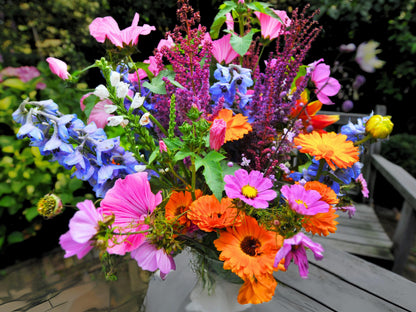
heirloom wildflower seeds Heirloom Wildflower SeedsThis heirloom cut flower mix includes a vibrant array of 19 annuals and perennials, perfect for fresh and dried floral arrangements. Ideal for creating stunning bouquets, this mixture ensures continuous blooms throughout the growing season, adding both beauty and ecological value to your space. Featuring blooms like Baby's Breath, Bishop's Flower, and China Aster, this mix attracts pollinators, enhancing your garden's biodiversity. * SCROLL DOWN FOR
This heirloom cut flower mix includes a vibrant array of 19 annuals and perennials, perfect for fresh and dried floral arrangements. Ideal for creating stunning bouquets, this mixture ensures continuous blooms throughout the growing season, adding both beauty and ecological value to your space. Featuring blooms like Baby's Breath, Bishop's Flower, and China Aster, this mix attracts pollinators, enhancing your garden's biodiversity.
* SCROLL DOWN FOR DETAILED GROWING INFO *
All Nimble NiteCap Seeds are:
• Heirloom
• Organic
• Non-GMO
• Open Pollinated
• Untreated
• US Grown
• growing instructions included
• Regular testing is conducted to uphold the highest germination standards, all the while employing appropriate seed storage techniques.
Sustainable Packaging & Shipping:
• NimbleNitecap seeds are packed in eco-friendly, compostable seed packets. Seed packets are printed in house with vegetable-based inks on biodegradable, recycled materials. (Small plastic bags are infrequently used to prevent the loss of very small seeds.)
• All orders are carefully packed and shipped with tracking via USPS First Class (or Priority, if selected) in padded ECOENCLOSE recycled and reusable mailers, or recycled boxes to protect your items in transit.
Most orders ship out the same or next business day! Please note that this time may be extended during peak season.
• FREE SHIPPING on all orders of $35 or more. Flat Rate shipping no matter how many packets you order.
* DIRECTIONS *
Mix Components:
Annual Baby's Breath (Gypsophila elegans) - Small, delicate white or pink flowers. Great for adding a light, airy texture to bouquets and dried arrangements.
Bishop's Flower (Ammi majus) - Large, lace-like white flowers. Adds texture and elegance to floral displays and dries well.
Blanketflower (Gaillardia aristata) - Bright red and yellow flowers. Known for attracting pollinators and providing vibrant color in arrangements.
China Aster (Callistephus chinensis) - Dense, colorful flowers in shades of pink, purple, red, and white. Long-lasting blooms ideal for bouquets.
Clarkia (Clarkia unguiculata) - Showy pink, red, purple, or white flowers. Adds a wild, natural look to garden beds and arrangements.
Cosmos (Cosmos bipinnatus) - Delicate, daisy-like flowers in pink, white, and red. Tall stems perfect for cutting.
English Wallflower (Cheiranthus cheiri) - Fragrant, colorful flowers in yellow, orange, and red. Adds scent and charm to floral designs.
Gloriosa Daisy (Rudbeckia hirta) - Bright yellow and brown-eyed blooms. Adds bold color and attracts butterflies.
Iceland Poppy (Papaver nudicaule) - Delicate, papery flowers in a variety of colors. Adds a pop of color and unique texture to bouquets.
Lance-Leaved Coreopsis (Coreopsis lanceolata) - Yellow, daisy-like flowers. Known for its long blooming period and ability to attract pollinators.
Mexican Hat (Ratibida columnifera) - Distinctive, sombrero-shaped flowers in red and yellow. Adds an exotic touch to arrangements.
Painted Daisy (Chrysanthemum carinatum) - Vibrant, multicolored blooms. Adds a cheerful and artistic flair to gardens and bouquets.
Perennial Lupine (Lupinus perennis) - Spikes of blue, purple, or pink flowers. Adds height and a vertical element to floral arrangements.
Plains Coreopsis (Coreopsis tinctoria) - Bright yellow flowers with reddish-brown centers. Easy to grow and attracts bees and butterflies.
Purple Coneflower (Echinacea purpurea) - Large, purple-pink daisy-like flowers with a prominent cone. Known for its medicinal properties and ability to attract pollinators.
Larkspur - Tall spikes of blue, pink, or white flowers. Adds vertical interest and a touch of elegance.
Shasta Daisy (Chrysanthemum maximum) - Classic white daisy flowers with yellow centers. Adds a traditional and timeless look to arrangements.
Sulphur Cosmos (Cosmos sulphureus) - Bright yellow and orange flowers. Adds a sunny, cheerful vibe to gardens and floral designs.
Sweet William Pinks (Dianthus barbatus) - Clusters of small, fragrant flowers in a variety of colors. Adds fragrance and color to bouquets.
Common Names: Cut Flower Seed Mixture
Latin Name: Various species
Type: Annuals and Perennials
Life Cycle: Varies by species
USDA Zones: 2 - 11 (Grown as an annual in most regions)
Height: 1 to 3 feet
Spread: 1 to 2 feet
Bloom Time: Summer to fall
Sunlight: Full sun
Moisture: Prefers medium moisture; drought-tolerant once established
Soil: Well-drained, sandy to loamy soils
Maintenance: Low; deadhead to prolong blooming
Suggested Use: Borders, cutting gardens, dried flower arrangements, containers
Flower: Showy, durable, and excellent for drying
Attracts: Bees, butterflies
Tolerates: Drought, poor soil
~ Sowing ~
Sowing Instructions: Sow seeds directly in the garden after the danger of frost has passed. Scatter seeds evenly over the soil surface and press them lightly into the soil. Do not cover the seeds deeply as they require light to germinate.
Watering: Keep the soil consistently moist during germination.
Light and Temperature: Prefers full sun; optimal germination temperature is 65-75°F (18-24°C).
Germination: Seeds typically germinate in 7-21 days.
~ Growing ~
Watering: Water regularly until established. Once mature, most plants in the mix are drought-tolerant but will benefit from occasional watering during prolonged dry periods.
Fertilizing: Apply a balanced fertilizer at planting time and again mid-season to support growth and blooming.
Pest and Disease Management: Generally pest-resistant. Monitor for common garden pests and treat if necessary. Ensure good air circulation to prevent fungal diseases.
Maintenance: Deadhead regularly to encourage continued blooming. Thin out crowded plants to improve air circulation and reduce competition for nutrients.
~ Harvesting ~
When to Harvest: Harvest flowers when they are fully open for the best quality.
How to Harvest: Cut flowers with stems early in the morning. For drying, remove the leaves from the stems and hang upside down in a dark, dry, well-ventilated area.
Drying and Storing: Allow flowers to dry completely, which typically takes 2-3 weeks. Store dried flowers in a cool, dry place.
~ Seed Saving ~
Seed Saving Instructions: Allow seed heads to mature and dry on the plant. Collect seeds by gently shaking the seed heads into a paper bag. Store seeds in a cool, dry place for future planting.
~ Additional Information ~
Forage for Pollinators: Attracts bees, butterflies, and other pollinators, contributing to garden biodiversity.
Origin: Cultivated varieties suitable for a wide range of regions.
Nomenclature: Various species within the mix; names available upon request.
History: Cut flowers have been cherished for their beauty and versatility in floral arrangements and garden displays.
Potential Toxicity: Non-toxic to humans and pets.
Climate Adaptability: Grows well in a range of climates, particularly in sunny, well-drained areas. Ideal for regions with hot, dry summers.
What to Expect: Wildflowers may take time to establish, with full blooms often appearing in the second year. Patience and proper maintenance will yield a beautiful, flourishing wildflower garden.
Shipping Notes
- Free Standard Shipping on $100+ Orders to the USA.
- Except Preorder products are shipped in 48 hours.
- Delivery to the USA:
- Standard Shipping : 3-10 business days
- If time is of the essence, please consider selecting expedited delivery for faster service.
Exchange/Return Notes
- We offer a 30-day return/exchange service after receiving.
- Final sale items are not eligible for returns or exchanges.
- To process your return/exchange, please contact us at [email protected]
- Please click here for more details>>> Return & Exchange Policy