Pay in installments of $5.82 with
 ,
 and

Shipping Estimate
USA
- USA
- CAN
- USA
- CAN
Ships within 48 hours · Estimated delivery Oct 23 - Oct 28
 Promo Codes Available:
For Your Every Summer RSVP, with Code: SUMMER15
Description
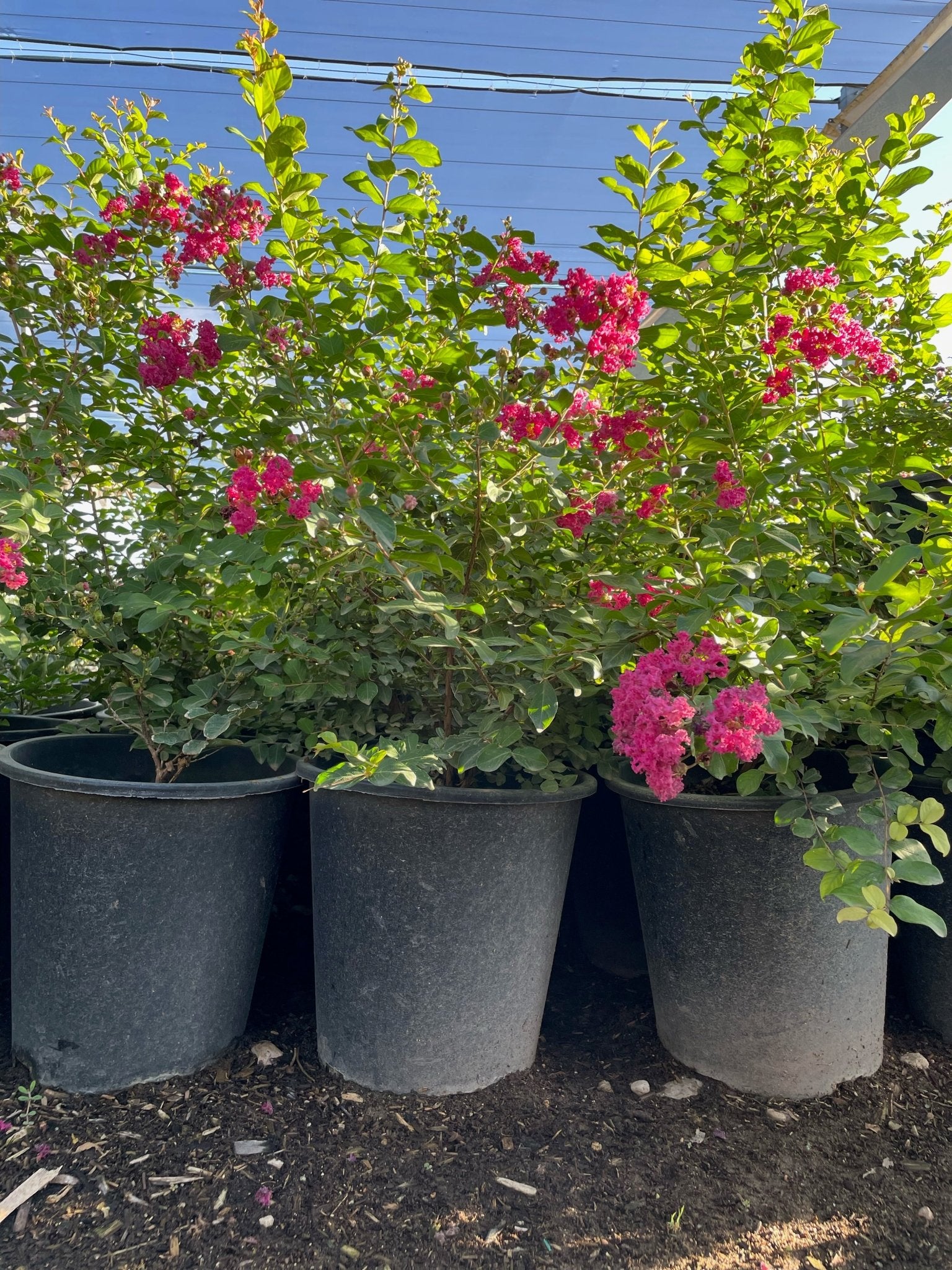
can you plant a crepe myrtle in a pot Crape Myrtle Bush Phoenix, AZ | LagerstroemiaPhoenixs Most Colorful Summer Blooming Shrub Crape Myrtle Bush (Lagerstroemia) is the ultimate summer color machine for Phoenix Valley landscapes. These heat loving shrubs explode with vibrant blooms in pink, red, purple, or white from June through October the exact months when most other plants struggle in the desert heat. Growing 610 feet tall and wide, Crape Myrtles deliver stunning flower displays, attractive peeling bark, and brilliant fall
Phoenix’s Most Colorful Summer-Blooming Shrub
Crape Myrtle Bush (Lagerstroemia) is the ultimate summer color machine for Phoenix Valley landscapes. These heat-loving shrubs explode with vibrant blooms in pink, red, purple, or white from June through October — the exact months when most other plants struggle in the desert heat. Growing 6–10 feet tall and wide, Crape Myrtles deliver stunning flower displays, attractive peeling bark, and brilliant fall foliage color. Whether you’re screening a Scottsdale pool area, lining a driveway in Gilbert, or creating a colorful border in Chandler — Crape Myrtle Bush is the proven performer.
Crape Myrtle Bush Plant Details
| Attribute | Detail |
|---|---|
| Scientific Name | Lagerstroemia indica |
| Common Names | Crape Myrtle, Crepe Myrtle, Crapemyrtle |
| Mature Height | 6–10 feet |
| Mature Width | 6–10 feet |
| Growth Rate | Fast — 2–3 feet per year in Phoenix |
| Sun | Full sun (6+ hrs). Thrives in Phoenix summer heat. |
| Water | Moderate. Low-to-moderate once established. |
| USDA Zones | 7–10 (Phoenix is Zone 9b–10a) |
| Soil | Well-draining. Adapts to Arizona caliche soils. |
| Foliage | Deciduous — drops leaves in winter, colorful fall display |
| Bloom Season | June through October in Phoenix |
| Flower Colors | Pink, red, purple, white (varies by cultivar) |
Crape Myrtle Bush Uses in Phoenix Landscapes
Privacy Screening & Hedges
Crape Myrtles make excellent informal privacy screens with their dense, multi-stemmed growth habit. Plant 4–6 feet apart for a flowering hedge that fills in within 2–3 years. The summer bloom season adds a wall of color that no other screening plant can match in Phoenix heat.
Pool-Friendly Landscaping
Crape Myrtles are a top choice for pool areas — their non-invasive root system won’t damage hardscape, and the showy blooms create a resort-like atmosphere. The deciduous habit means less debris during winter pool maintenance. Plant 6–8 feet from the pool edge for best results.
Foundation Plantings & Accent Color
Use Crape Myrtles as colorful foundation shrubs alongside homes, or as specimen plants in island beds and courtyard gardens. Their peeling cinnamon-colored bark provides winter interest even after leaves drop. Pair with evergreen plants like Texas Sage or Indian Hawthorn for year-round structure.
Best Time to Plant Crape Myrtle Bush in Phoenix
Fall (October–November) is ideal — warm soil promotes fast root establishment while cooler air reduces transplant stress. Your plant gets 6–8 months of root growth before its first Phoenix summer bloom season. Spring (February–April) is the second-best window. Avoid summer planting when possible.
How to Plant Crape Myrtle Bush
- Dig wide, not deep — 2–3x the root ball width, same depth
- Check for caliche — break through any hardpan layer for drainage
- Backfill with native soil — a light 20% compost blend encourages blooming
- Spacing — 4–6 feet apart for hedges; 8–10 feet for individual specimens
- Water basin — build a 3–4 inch ring to direct water to roots
- Mulch — 2–3 inches of bark or gravel mulch to retain moisture
Watering Crape Myrtle Bush in Phoenix
First Year Watering Schedule
- Weeks 1–2: Every 1–2 days, deep and slow (20–30 min)
- Month 1–2: Every 3–4 days
- Month 3–6: Every 5–7 days (every 3–5 days in peak summer)
- After Year 1: Every 7–10 days summer; every 2–3 weeks winter
Drip Irrigation
Place two 2-GPH emitters 18–24 inches from the trunk on opposite sides. Crape Myrtles need slightly more water than most desert plants but are still remarkably heat-tolerant once established.
How fast do Crape Myrtles grow in Phoenix?
Very fast — expect 2–3 feet of growth per year. Most plants reach blooming size within the first year after planting and full mature size in 3–5 years.
Do Crape Myrtles lose their leaves in winter?
Yes, they are deciduous and drop their leaves in late fall. Before dropping, the foliage often turns beautiful shades of orange, red, and yellow. The attractive peeling bark provides winter interest.
What color blooms will my Crape Myrtle have?
Bloom color depends on the cultivar. Three Timbers carries varieties in pink, red, purple, and white. Ask our team about specific color availability when ordering.
Do Crape Myrtles need pruning?
Light pruning in late winter (January–February) encourages more blooms. Remove spent flower clusters during the season to promote reblooming. Avoid heavy “crape murder” topping — it damages the plant’s natural form.
You May Also Like
- Texas Sage — Evergreen purple-blooming shrub that complements Crape Myrtles perfectly
- Bottlebrush Bush — Red bottle-shaped blooms and evergreen foliage for year-round color
- Bay Breeze Indian Hawthorn — Compact evergreen shrub with pink spring flowers
- Butterfly Bush — Another pollinator magnet with long, colorful flower spikes
How Many Crape Myrtle Bush Do I Need?
Crape Myrtle Bush matures to a substantial 6–10 ft wide. For an informal flowering screen, space plants about 5 ft on center. Use this table to estimate counts by run length:
| Screen Run Length | Plants Needed (5 ft spacing) |
|---|---|
| 10 ft | 3 plants |
| 20 ft | 5 plants |
| 30 ft | 7 plants |
| 40 ft | 9 plants |
For a taller, denser privacy wall, hold to 4–5 ft. As a standalone specimen or small multi-trunk tree, give each plant 8–10 ft so the natural vase shape and peeling bark show off.
Crape Myrtle Bush Season-by-Season in Phoenix
- Spring (Feb–Apr): Leafs out from bare winter stems; vigorous new growth sets up the summer bloom. Good second planting window.
- Summer (May–Sep): The main event: thrives in extreme heat and blooms heavily June through October when most plants stall. Needs slightly more water than true desert shrubs, especially during the hottest stretch.
- Fall (Oct–Nov): Bloom finishes, then foliage turns orange, red, and yellow before dropping. Prime planting season in the Valley.
- Winter (Dec–Jan): Deciduous and dormant, showing off cinnamon, peeling bark. Very cold-hardy (to roughly 5°F), so Phoenix winters pose no risk; late-winter is the time for light shaping pruning.
At a Glance
✔ Pollinator-Friendly ✔ Heat-Loving (Reflected-Heat Tolerant) ✔ Pool-Friendly (Low-Litter) ✔ Low-Maintenance ✔ Cold-Hardy to 5°F
Plant It With
- Texas Sage: an evergreen purple bloomer that adds winter structure under deciduous crape myrtle.
- Bottlebrush Bush: red brushes and evergreen foliage for year-round color alongside.
- Bay Breeze Indian Hawthorn: a compact evergreen front-of-border partner with pink spring flowers.
- Butterfly Bush: another pollinator magnet with long, colorful summer spikes.
Is Crape Myrtle Bush Right for Your Yard?
Crape Myrtle Bush thrives in full sun and intense summer heat, in well-draining soil (it adapts to caliche if drainage is opened up), with low-to-moderate water once established. It is ideal for summer-color screens, pool surrounds, and driveway plantings where you want bold bloom when it is hottest. Not a fit if you need year-round evergreen screening or a truly no-water plant: it drops its leaves in winter and wants a bit more irrigation than native desert shrubs.
Shipping Notes
- Free Standard Shipping on $100+ Orders to the USA.
- Except Preorder products are shipped in 48 hours.
- Delivery to the USA:
- Standard Shipping : 3-10 business days
- If time is of the essence, please consider selecting expedited delivery for faster service.
Exchange/Return Notes
- We offer a 30-day return/exchange service after receiving.
- Final sale items are not eligible for returns or exchanges.
- To process your return/exchange, please contact us at [email protected]
- Please click here for more details>>> Return & Exchange Policy