Pay in installments of $6.41 with
 ,
,
 and
and

Shipping Estimate
USA
- USA
- CAN
- USA
- CAN
Ships within 48 hours · Estimated delivery Oct 21 - Oct 26
 Promo Codes Available:
For Your Every Summer RSVP, with Code: SUMMER15
Description
ornamental grass indoor plant Shop 'Purple Fountain Grass – Pennisetum setaceum rubrum' Care and InfoThe Purple Fountain Grass, known as Pennisetum setaceum 'Rubrum', is a popular ornamental grass prized for its striking burgundy foliage and graceful, arching plumes. Native to Africa, it is known for its dramatic appearance in landscapes, this grass is often used in borders, containers, or as a focal point in garden beds. Its vibrant colors and texture make it a favorite among gardeners seeking to add visual specimen plants to outdoor spaces. Apart
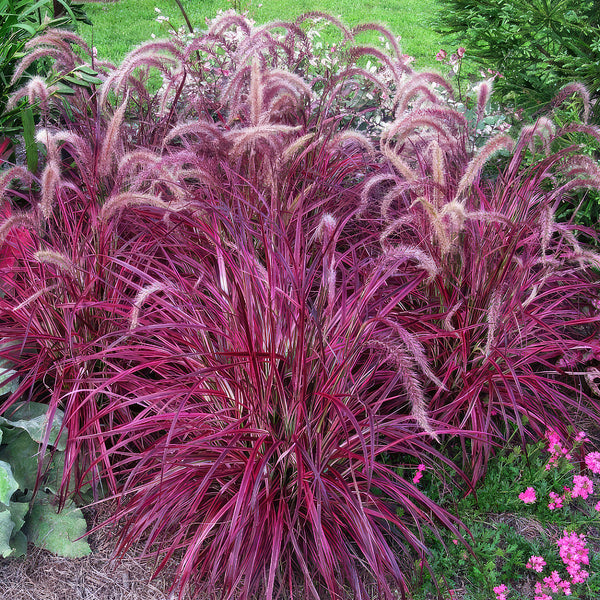
The Purple Fountain Grass, known as Pennisetum setaceum 'Rubrum', is a popular ornamental grass prized for its striking burgundy foliage and graceful, arching plumes. Native to Africa, it is known for its dramatic appearance in landscapes, this grass is often used in borders, containers, or as a focal point in garden beds. Its vibrant colors and texture make it a favorite among gardeners seeking to add visual specimen plants to outdoor spaces.
Apart from the common name "Purple Fountain Grass," this plant may also be referred to simply as "Fountain Grass" or "Red Fountain Grass" due to its flowing, fountain-like shape and reddish hues
These names highlight its unique structure and color, setting it apart from other ornamental grasses. In addition to its beauty, this purple grass is heat-tolerant, low-maintenance, and drought-tolerant once established.
Its ability to thrive in hot, sunny conditions makes it a popular choice for warmer climates.
However, it is widely cultivated across many parts of the world, particularly in the U.S., where it is often grown as an annual in cooler zones or a perennial in warmer areas.
The prominent feature of this Pennisetum Rubrum grass is its burgundy-purple foliage, which stands out in any garden. Its long, slender leaves grow in graceful arcs, and as the plant matures, it produces feathery flower spikes.
The mature plants can grow up to 5 feet tall and spread to 4 feet. Its upright, fountain-like growth habit makes this purple ornamental grass an attractive statement plant in the landscape. In ideal conditions, it can grow quickly and produce a dense, bushy clump that adds both vertical and horizontal interest to garden designs.
The flowers of purple fountain grass bloom during the early summer and fall with arching plumes of pinkish-purple flowers. These plumes appear in mid-to-late summer and persist well into the fall, providing several months of ornamental value. These flower plumes can grow up to 12-15 inches long and resemble soft, fluffy fountains that sway gently in the breeze. The flowers are particularly eye-catching when they catch the light, making them a beautiful addition to gardens or containers. While the flowers are sterile and will not reseed, they can be cut and used in dried flower arrangements.
When and How to Water Your Purple Fountain Grass
The purple fountain grass is a drought-tolerant plant, it needs proper watering to establish and thrive, especially during its early growth stages. During the first few months after planting, regular watering is essential to ensure that the roots become well-established. Water the plant deeply about once a week, allowing the soil to dry out slightly between waterings. It's crucial to water the base of the plant, making sure moisture reaches deep into the root zone without causing the soil to remain soggy.
Once established, Purple Fountain Grass is highly drought-tolerant and will require much less water. In the spring and mid-summer, during the growing season, it can usually survive on natural rainfall alone in many regions. However, in periods of extended drought or particularly hot climates, it’s beneficial to water every couple of weeks to maintain lush growth and vibrant foliage.
In the winter, when the plant goes dormant, watering should be reduced significantly. Too much moisture during this period can lead to root rot. The key to watering the purple grass plant is a balance between keeping the roots hydrated without oversaturating the soil, especially in well-drained environments that mimic its native conditions.
Light Requirements – Where to Place Your Purple Fountain Grass
When planted indoors, place your purple fountain grass in a spot that receives bright, indirect sunlight for at least 6-8 hours a day. A sunny window or a room with ample natural light is ideal. If you notice the grass leaning towards the light source, rotate the pot occasionally to ensure even growth.
For outdoor cultivation, purple fountain grass thrives in full sun, soaking up those rays to develop its signature rich color and graceful plumes. Plant it in a location where it can bask in the sun for most of the day. In warmer climates, some afternoon shade can be beneficial to protect the grass from scorching heat. Remember, adequate sunlight is key to promoting healthy growth and those stunning, cascading plumes.
By providing the right amount of light, whether indoors with bright, indirect sunlight or outdoors in full sun, you'll help your Pennisetum rubrum flourish and adorn your space with its elegant beauty.
Optimal Soil & Fertilizer Needs
The Purple fountain grass favors very airy, sandy soil that drains well. Planting them in ordinary soil will result in compacted roots, stunted growth, and most likely root rot. A mix of regular garden soil with some sand or perlite for improved drainage is ideal for purple fountain grass. Instead, make or buy a well-draining potting mix, or ideally use our specialized potting mix that contains 5 natural substrates and mycorrhizae to promote the development of a strong root system that helps your plant to thrive.
When it comes to fertilizing, a balanced fertilizer with equal parts nitrogen, phosphorus, and potassium can help promote healthy growth and vibrant foliage. During the growing season, which is typically spring, you can fertilize your Pennisetum rubrum once a year. Avoid over-fertilization, as this can result in excessive foliage growth at the expense of the plant's overall health.
By providing well-draining soil and a balanced fertilizer regimen, you can support the growth and beauty of your purple fountain grass. Remember to adjust your fertilizing schedule based on the plant's needs and growth patterns.
Hardiness Zone & More
When grown indoors, it's essential to mimic its preferred environment. Keep the indoor temperature around 65-70°F during the day and slightly cooler at night. Maintaining a humidity level of around 50-70% can also benefit the plant, especially during the drier winter months when indoor air tends to be less humid.
For outdoor cultivation, the purple fountain grass is typically suited for USDA zones 9-11, where temperatures remain above freezing. In these zones, the plant can be grown outdoors year-round, enjoying the warmth and long growing season. If you live in a cooler climate, you can still grow Pennisetum rubrum annually or overwinter it indoors to protect it from frost and cold temperatures. Be sure to bring it inside before the first frost if you choose to overwinter it.
By understanding the temperature and humidity preferences of purple fountain grass both indoors and outdoors, you can create the optimal conditions for its growth and health. Whether you're cultivating it inside your home or in your garden, providing the right environment will help your Pennisetum rubrum thrive.
Wildlife - Purple Fountain Grass attracts the following Friendly-Pollinators
The Purple fountain grass attracts pollinators such as bees, butterflies, hummingbirds, and certain small insects, especially when planted alongside other pollinator-friendly plants. While it doesn’t produce nectar-rich flowers, its feathery, burgundy plumes offer a landing spot and sometimes temporary shelter for small insects.
Toxicity: Additionally, Purple Fountain Grass is considered non-toxic to pets and humans, making it a safe choice for households with dogs, cats, or children. Its ornamental beauty, combined with its non-toxic nature, adds to its appeal as a versatile and family-friendly garden plant.
Purple Fountain Grass Propagation
To propagate your Pennisetum Rubrum, you can use division or purple fountain grass seeds. Division involves separating the plant into smaller sections, each with roots attached, and replanting them in suitable soil. This method is best done in the spring. Alternatively, you can collect seeds from the plant and sow them in a seed-starting mix indoors. Keep the soil consistently moist until the seeds germinate. Once the seedlings are established, you can transplant them outdoors. Both methods can be successful in propagating purple fountain grass and expanding your plant collection.
Key Takeaways
- The Purple Fountain Grass is a stunning, low-maintenance ornamental grass perfect for adding a pop of color and texture to gardens and landscapes.
- It features deep purple foliage and a graceful, arching habit that attracts birds and butterflies.
- This drought-tolerant and heat-resistant grass thrives in full sun to partial shade and well-draining soil.
- Regular watering and annual fertilization keep it healthy and vibrant.
- Prune in late winter or early spring to maintain its shape and promote new growth.
- Order now from your local nursery or online plant retailer and enjoy the beauty and benefits of this stunning ornamental grass!
Final Thoughts
With its exceptional ability to thrive in extremely dry conditions, making it a top choice for water-conscious gardeners, the Purple Fountain Grass is a true gem for any outdoor space. Makes a strong impression in clusters, mass plantings, and along slopes. Its regal, velvety foliage adds a touch of sophistication and elegance, while its effortless, flowing shape creates a sense of movement and energy. Adding purple fountain grass to your landscaping design or growing it in containers can add a vibrant pop of color and texture, making it a perfect choice for those looking to elevate their outdoor space with a low-maintenance, high-impact element. Whether used as a statement piece or a subtle accent, this remarkable grass is sure to captivate and inspire, providing a beautiful and low-maintenance solution for gardeners of all skill levels.
Shipping Notes
- Free Standard Shipping on $100+ Orders to the USA.
- Except Preorder products are shipped in 48 hours.
- Delivery to the USA:
- Standard Shipping : 3-10 business days
- If time is of the essence, please consider selecting expedited delivery for faster service.
Exchange/Return Notes
- We offer a 30-day return/exchange service after receiving.
- Final sale items are not eligible for returns or exchanges.
- To process your return/exchange, please contact us at [email protected]
- Please click here for more details>>> Return & Exchange Policy